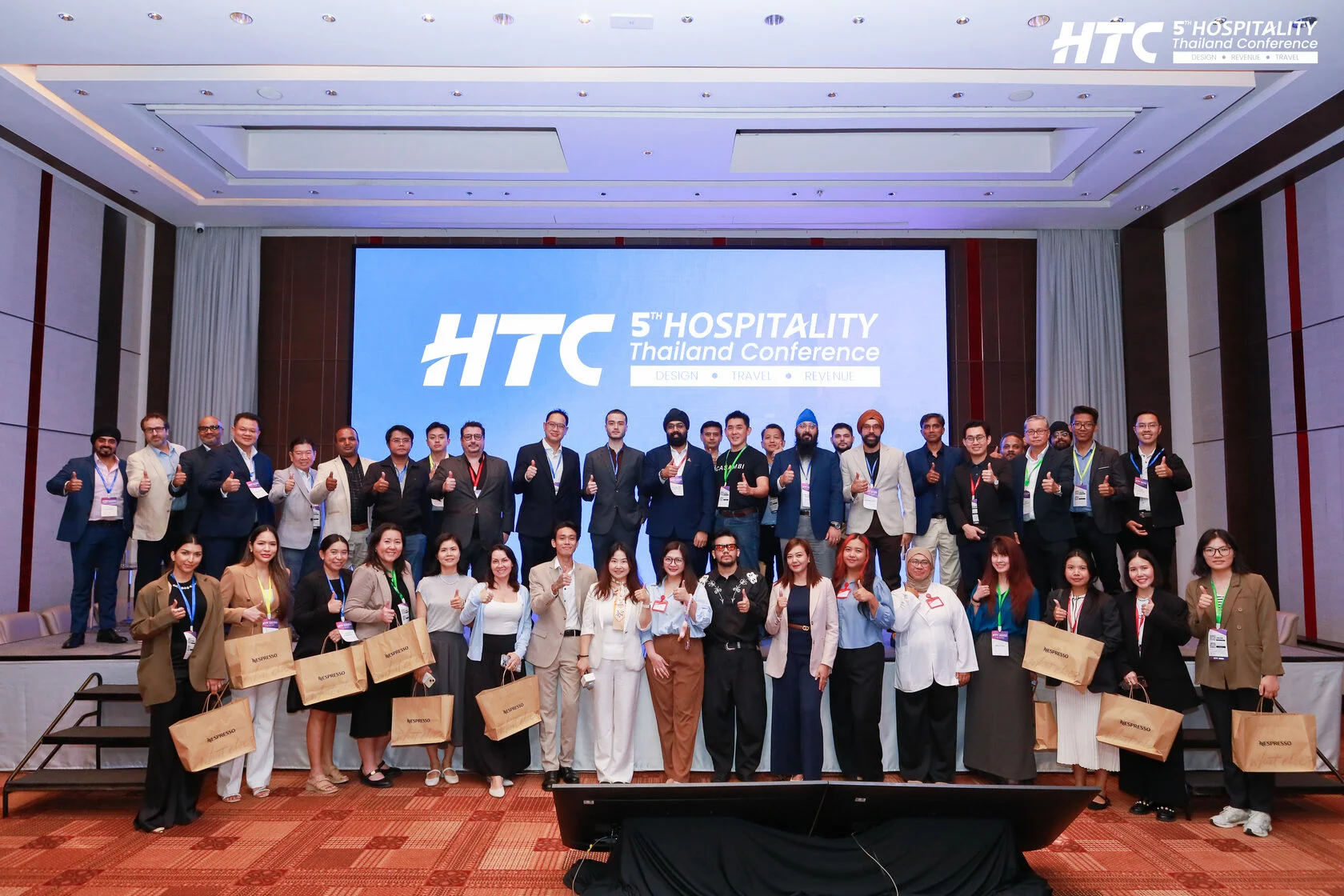
The Hospitality Thailand Conference 2026 concluded last month in Bangkok, solidifying its reputation as a key gathering for hospitality professionals across Asia. The event brought together 390 unique attendees from 237 global hospitality companies, featuring 105 speakers and support from 42 sponsors and partners.
Over two days, delegates participated in keynote presentations, panel discussions, case studies, and business matching sessions. The multi-summit format addressed both immediate operational challenges and long-term strategic opportunities in Thailand’s evolving hospitality market.
Design Summit: Authenticity Through Local Craftsmanship
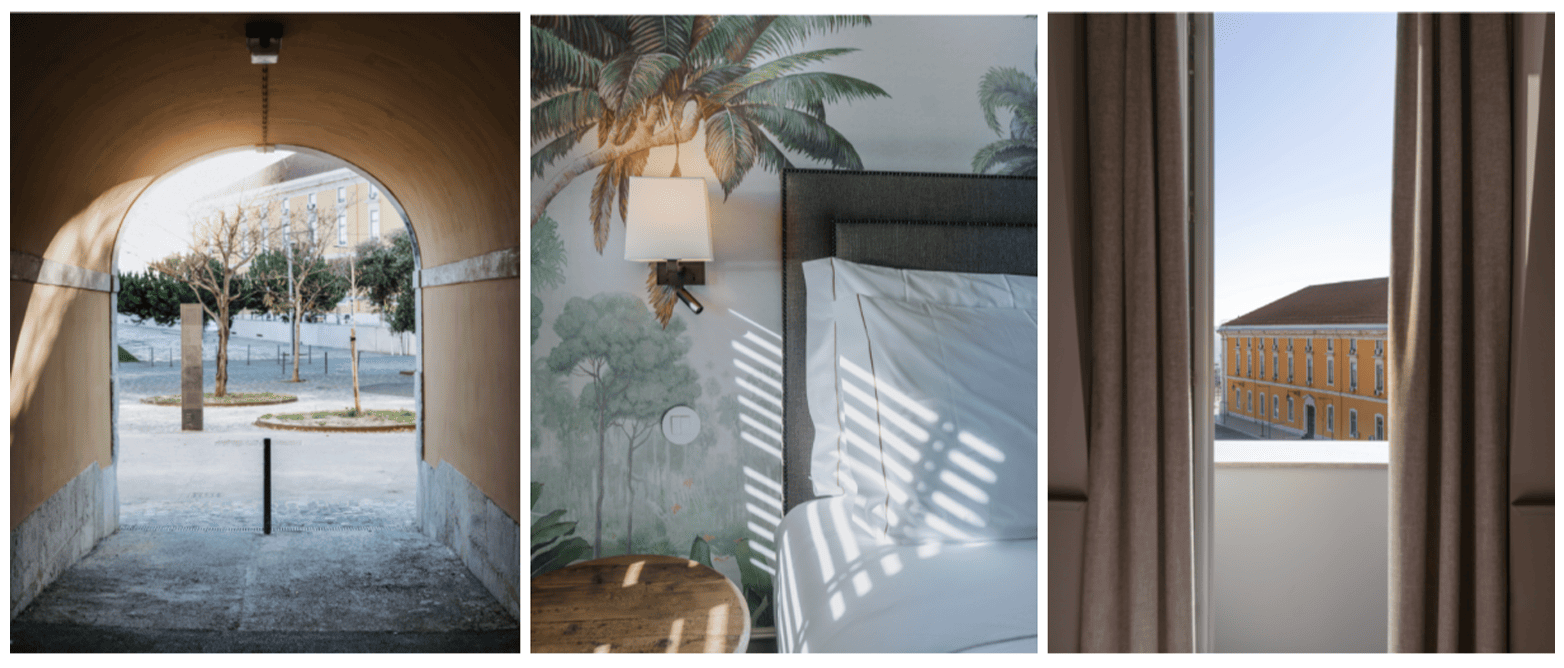
The concurrent Hotel Design Summit explored how properties can differentiate by integrating local elements. Discussions centered on authenticity, balancing modern architecture with traditional Thai design. Sarinrath Kamolratanapiboon, CEO of Design Worldwide Partnership (DWP), noted: “Bringing local culture and materials into the hospitality environment is a proven pathway to differentiation. We have done numerous trials and tests across our projects, and it has been incredibly successful when we introduce distinct Thai design elements into contemporary spaces.”
This focus on localized design aligns with broader industry trends, as seen in recent developments like HBA retaining its top hospitality design spot and expanding into new markets.
Travel Byte Summit: Tech-Driven Personalization in Luxury
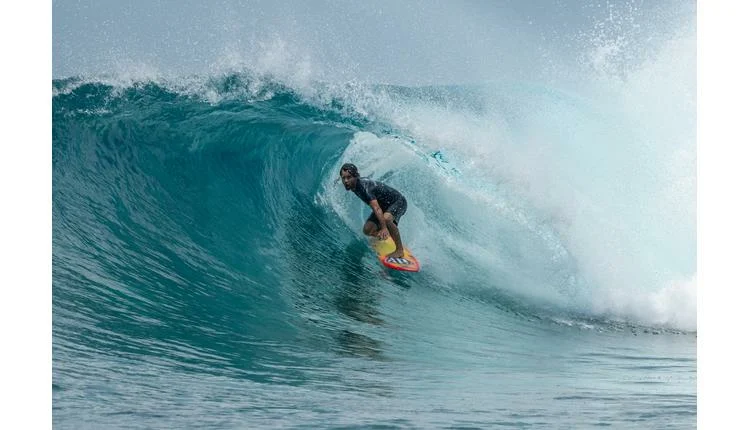
The Travel Byte Summit examined the intersection of technology, personalized consumer behavior, and high-end experiential travel. Sessions highlighted a shift from material opulence to unique, memorable experiences. Daniel Fraser, founder and CEO of Smiling Albino, commented: “Everyone talks about luxury tourism and how it has changed over the years, but what really matters today is giving travelers authentic experiences they haven't felt before, especially in a country built for tourism. The core of our business is tailoring travel experiences through luxury tourism to drive as much value as possible, ensuring we balance the ecosystem so suppliers and clients alike feel the benefit.”
This emphasis on personalization is echoed in the growing wellness tourism trend reshaping Asia Pacific hospitality strategies.
Hotel Revenue Summit: Data-Driven Profitability
The Hotel Revenue Summit focused on financial agility, tech stack optimization, and data-driven profitability. Commercial leaders discussed friction points between pricing strategies, shifting demographics, and guest satisfaction. Bruno Lespurque, CEO of Mandison Hospitality, stated: “We speak a lot about Average Daily Rate (ADR) compared to guest satisfaction. In today's market, it is essential to identify and mitigate the friction points between pricing and the guest experience to sustainably improve long-term revenue.”
The sessions emphasized breaking down departmental silos, ensuring operations, revenue management, marketing, and finance work cohesively toward shared outcomes. This approach is critical as hotels navigate a competitive landscape where Thailand positions itself as a hub for luxury medical tourism and other niche segments.
Overall, the Hospitality Thailand Conference 2026 provided actionable insights for hoteliers, designers, and tech vendors, reinforcing the need for authenticity, personalization, and integrated revenue strategies in a rapidly changing industry.