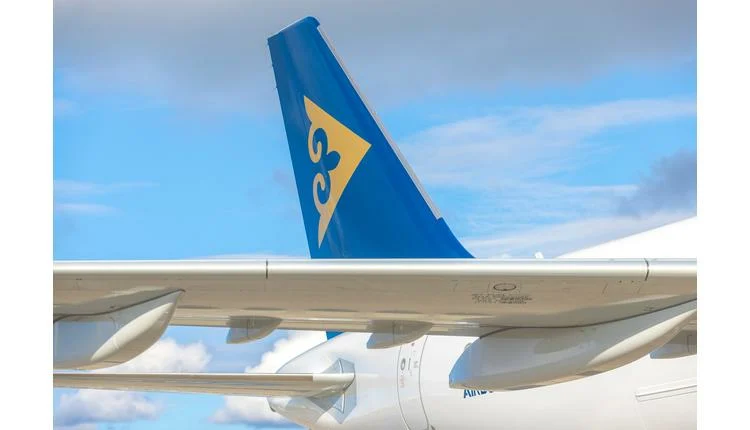
Air Astana has taken delivery of its 64th aircraft, an Airbus A321neo, which arrived at its Almaty hub from Hamburg. The new jet, configured with 28 Business and 156 Economy seats, is poised to strengthen the carrier's capacity on both domestic and international services.
The A321neo is part of Air Astana's broader fleet strategy, which prioritizes operational efficiency and environmental performance. The airline, which operates a predominantly Airbus fleet, sees the aircraft as a key element in its growth plans across Central Asia and beyond.
Route deployment and network impact
The aircraft's inaugural commercial flight is scheduled for early November on the Almaty–Astana–Almaty route, one of the busiest domestic corridors in Kazakhstan. This deployment will allow Air Astana to better match capacity with demand on a route that serves both business and leisure travelers.
Beyond domestic operations, the A321neo is expected to be used on regional international routes, supporting the airline's expansion into markets such as China, India, and the Middle East. The aircraft's range and fuel efficiency make it well-suited for medium-haul services, offering a balance between passenger comfort and operating costs.
Efficiency and sustainability gains
The A321neo is renowned for its lower fuel burn and reduced CO2 emissions compared to previous-generation aircraft. For Air Astana, this aligns with its commitment to sustainability while also improving cost efficiency—a critical factor in the competitive aviation landscape.
Peter Foster, CEO of Air Astana, highlighted the strategic importance of the addition: "This delivery marks another milestone in our fleet modernization program. The A321neo enhances our operational flexibility and supports our goal of providing reliable, comfortable travel while reducing our environmental footprint."
The airline's focus on fleet unification is also notable. By standardizing on the Airbus A320 family, Air Astana simplifies maintenance, crew training, and scheduling, which translates into higher dispatch reliability and lower overheads.
Broader industry context
Air Astana's expansion comes amid a period of robust growth for Central Asian aviation. The region is seeing increased demand for air travel, driven by economic development and rising tourism. The new aircraft will help the airline capture this demand while maintaining service quality.
For travel professionals, the added capacity on routes like Almaty–Astana could open up more options for corporate and leisure clients. The A321neo's modern cabin, with improved lighting and larger overhead bins, enhances the passenger experience—a factor that agents and tour operators can leverage when selling Air Astana services.
The delivery also underscores a broader trend of airlines investing in fuel-efficient narrowbodies. As carriers worldwide modernize their fleets, the A321neo has become a popular choice for its versatility and economics. Air Astana's move is consistent with this industry shift, positioning it well for future growth.
With this addition, Air Astana continues to solidify its position as a leading carrier in the region. The airline's commitment to operational excellence and sustainability will likely resonate with both passengers and industry stakeholders as it expands its network.