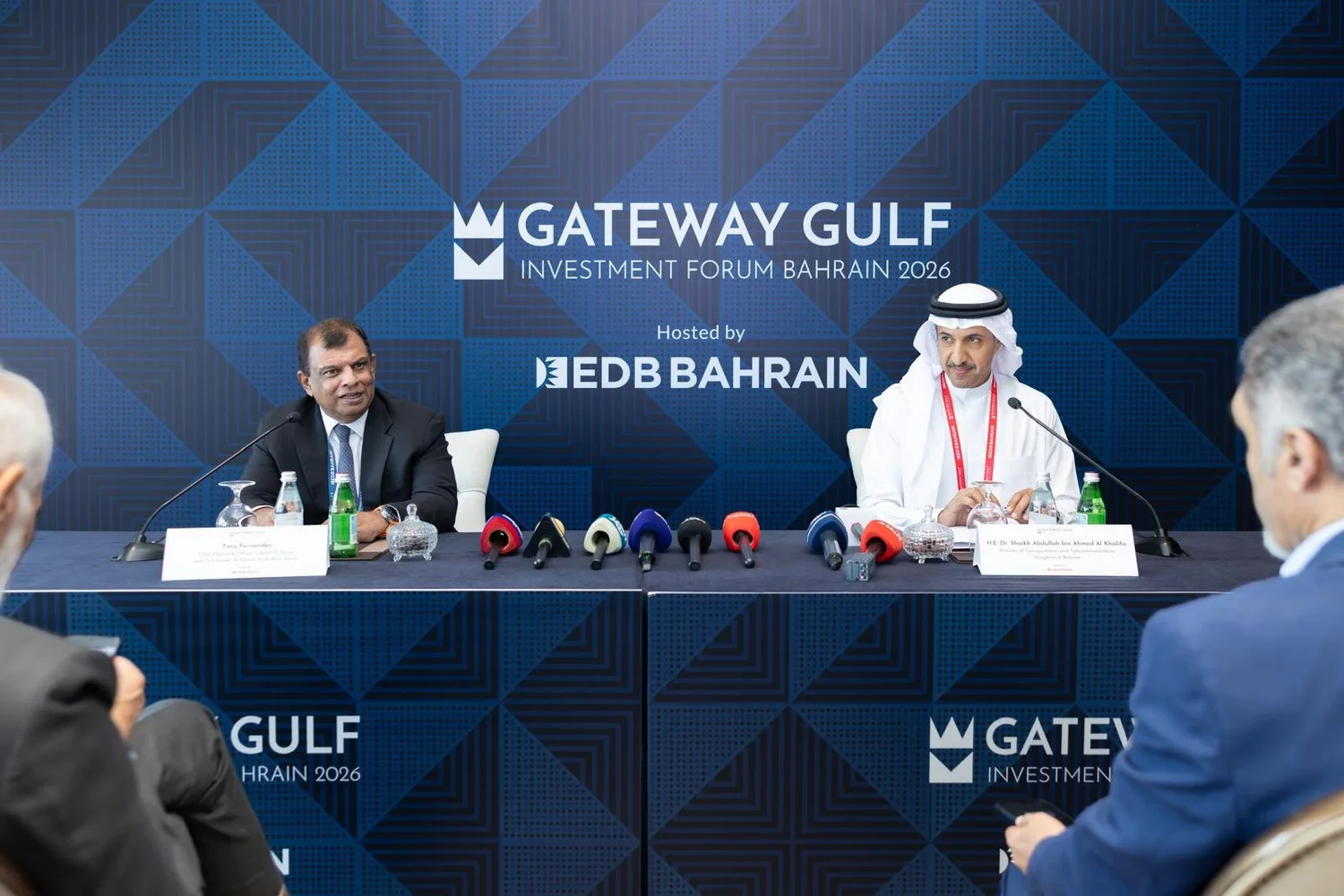
AirAsia has taken a decisive step in its Gulf expansion by installing a dedicated board of directors for its Bahrain operations. The appointment signals the carrier's intent to transform the kingdom into a strategic hub connecting Asia, the Middle East, Europe, and Australia.
The newly constituted AirAsia Bahrain board is chaired by Dr. Serra Kirdar, a prominent figure in regional business and philanthropy. Vice Chairman Dato’ Fam Lee Ee, along with Dr. Faisal Khalid Kanoo, Nawaf Al Zayani, Akram Safa, Lord Ahmad of Wimbledon, and Tan Sri Jamaludin Ibrahim, complete the non-executive lineup. Their collective expertise spans aviation, finance, logistics, and government relations, providing the group with deep local insight and international reach.
Strategic hub ambitions
The board's creation is part of a broader regional strategy that leverages Bahrain's geographic position and open-skies policies. AirAsia has long eyed the Gulf as a gateway for traffic flows between Asia and Europe, and Bahrain offers a less congested alternative to neighboring hubs. The airline aims to develop point-to-point and connecting services that tap into growing demand for affordable long-haul travel.
Capital A, AirAsia's parent company, is also advancing ancillary ventures to support the hub. Its maintenance, repair, and overhaul (MRO) subsidiary, ADE, is expected to establish capabilities in Bahrain, while logistics arm Teleport will continue to facilitate trade between the Gulf and Asia. These initiatives are designed to create a comprehensive ecosystem that strengthens connectivity and economic ties.
“Bahrain's strategic location and business-friendly environment make it an ideal base for our regional operations,” said a company spokesperson. “The new board will guide our efforts to expand travel and trade opportunities while enhancing the passenger experience.”
The appointment comes as AirAsia continues to defend its financial position amid broader industry challenges. The carrier recently addressed concerns about its balance sheet as Malaysia weighs contingency plans, and the Bahrain hub is seen as a long-term bet on diversifying revenue streams.
Industry analysts note that the move aligns with a wider trend of Asian low-cost carriers seeking growth beyond their home markets. AirAsia's Skytrax recognition as the world's best low-cost airline for 17 consecutive years underscores its operational pedigree, and the Bahrain board is expected to replicate that success in a new region.
For travel professionals, the development signals potential new route opportunities and increased competition on Gulf-Asia corridors. Tour operators and agents should monitor AirAsia's network announcements as the hub matures, while hoteliers and destination management companies in Bahrain may see a boost in inbound traffic.
AirAsia's logistics arm, Teleport, is also poised to play a key role in supporting e-commerce and cargo flows, further integrating the hub into global supply chains. The combination of passenger and cargo operations could make Bahrain a more attractive transit point for both leisure and business travelers.
As the board begins its work, the focus will be on securing traffic rights, developing route networks, and building partnerships with local stakeholders. The airline's long-term commitment to Bahrain is clear, and the new governance structure provides the framework for sustained growth.
For more on AirAsia's recent initiatives, see its latest Skytrax recognition and its financial defense. The group's broader strategy also includes regional fare promotions to stimulate demand.