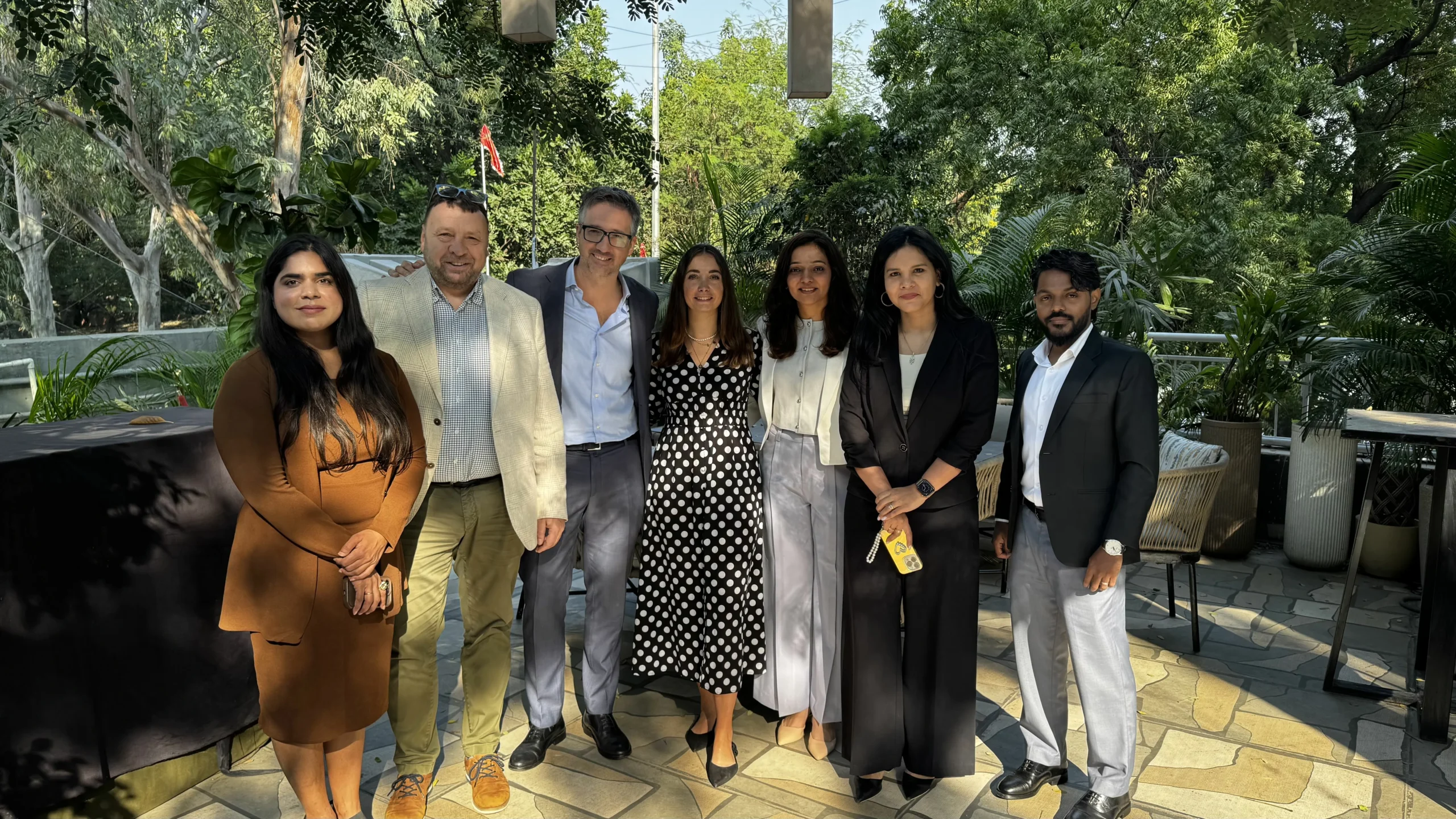
Hotel developers across Asia are recalibrating their strategies, moving beyond established tourism hubs to capture demand from emerging destinations and experience-led travel. At the NoVacancy Asia 2026 keynote panel, industry leaders discussed how shifting travel patterns and evolving guest expectations are reshaping hotel investment across the region.
Emerging destinations take center stage
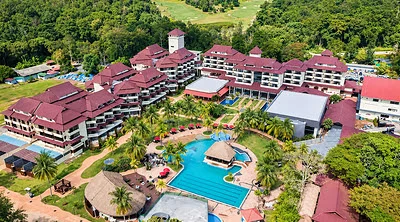
Andrew Langdon, chief development officer for Asia at Accor, highlighted Phu Quoc in Vietnam as a prime example of a destination with significant growth potential. With a new airport under construction and preparations for APEC 2027 underway, the island is positioning itself for greater international recognition. Its special economic zone status, favorable visa policies, and expanding airline connectivity are bolstering its appeal.
Langdon also pointed to Hat Yai in southern Thailand as a promising market, driven by strong visitor demand from neighboring Malaysia. Many Malaysian travelers visit the city for shopping, short breaks, and overnight stays, making it a vital regional tourism market. Accor is pursuing opportunities there, with a Mercure Hat Yai project and a Novotel Hat Yai signing expected soon.
This shift toward secondary destinations reflects a broader change in hotel development strategies. Rather than concentrating investment in major tourism hubs, hospitality groups are exploring markets where improving connectivity and regional travel demand can support future growth.
Thailand remains core for AWC
Souffian Zaeraoui, chief hospitality officer at Asset World Corporation (AWC), emphasized that Thailand remains the primary focus of the company's expansion. AWC has 24 hotel developments in its portfolio, with only one project outside Thailand, in New York. Zaeraoui stressed the importance of understanding the changing expectations of international visitors, particularly from China and India.
“Today's travelers increasingly expect hotels to deliver more personalized services and convenient experiences,” he said. Convenience has become a critical consideration, alongside the ability to tailor services to individual preferences.
AWC is also differentiating its developments through multi-brand concepts. One example is Aquatique Pattaya, a large-scale development that brings together four distinct hospitality brands—Moxy, Autograph Collection, JW Marriott, and The Ritz-Carlton—within one destination. This approach serves different traveler segments, from lifestyle-oriented guests to luxury travelers, within a single integrated development.
Experience and competitiveness
Despite questions about a potential slowdown in 2027, both panellists remained broadly positive about Asia's accommodation outlook. Zaeraoui does not anticipate significant oversupply, arguing that Asia's tourism market continues to expand. He expects revenue per available room (RevPAR) to keep growing, though performance will depend on how hotels position themselves.
“Maintaining competitiveness will require continuous reinvention and a clear understanding of why travelers should choose a particular destination or property,” he said. He also stressed that the industry needs to work together to create more than just additional hotel rooms, focusing on building stronger destination experiences that encourage longer stays.
Langdon highlighted the growing importance of the Chinese free independent traveler (FIT) segment, which is increasingly seeking distinctive experiences rather than relying on traditional group travel. This creates opportunities for hotel operators to develop more tailored products and services that respond to the interests of independent travelers.
Rising costs could reshape supply
Despite the positive demand outlook, the economics of hotel development are becoming increasingly challenging. Langdon cautioned that hotel development is cyclical, with periods of expansion followed by consolidation. Rising construction costs and financing pressures could slow the pace of new hotel supply, potentially affecting the industry's ability to meet demand in emerging markets.
As Asia's hotel development market enters this new chapter, the focus on emerging destinations and experience-led travel is likely to continue. For developers and operators, the key will be balancing growth ambitions with the realities of rising costs and evolving traveler expectations.