Across Asia, luxury hotel groups are retiring fragmented legacy software in favor of unified cloud and artificial intelligence platforms, a shift that promises more streamlined operations for regional hospitality in the coming year. The move is propelled by AI-driven bookings and the rise of multi-destination journeys among affluent travelers, according to industry experts.
Leading operators in Thailand, Singapore, Malaysia, Indonesia, Vietnam, and the Philippines are integrating smart infrastructure that connects initial reservations, contactless check-ins, and post-stay engagement into a single digital continuum. This consolidation eliminates friction for both discerning guests and institutional investors, who increasingly expect seamless backend operations.
AI agents and direct booking
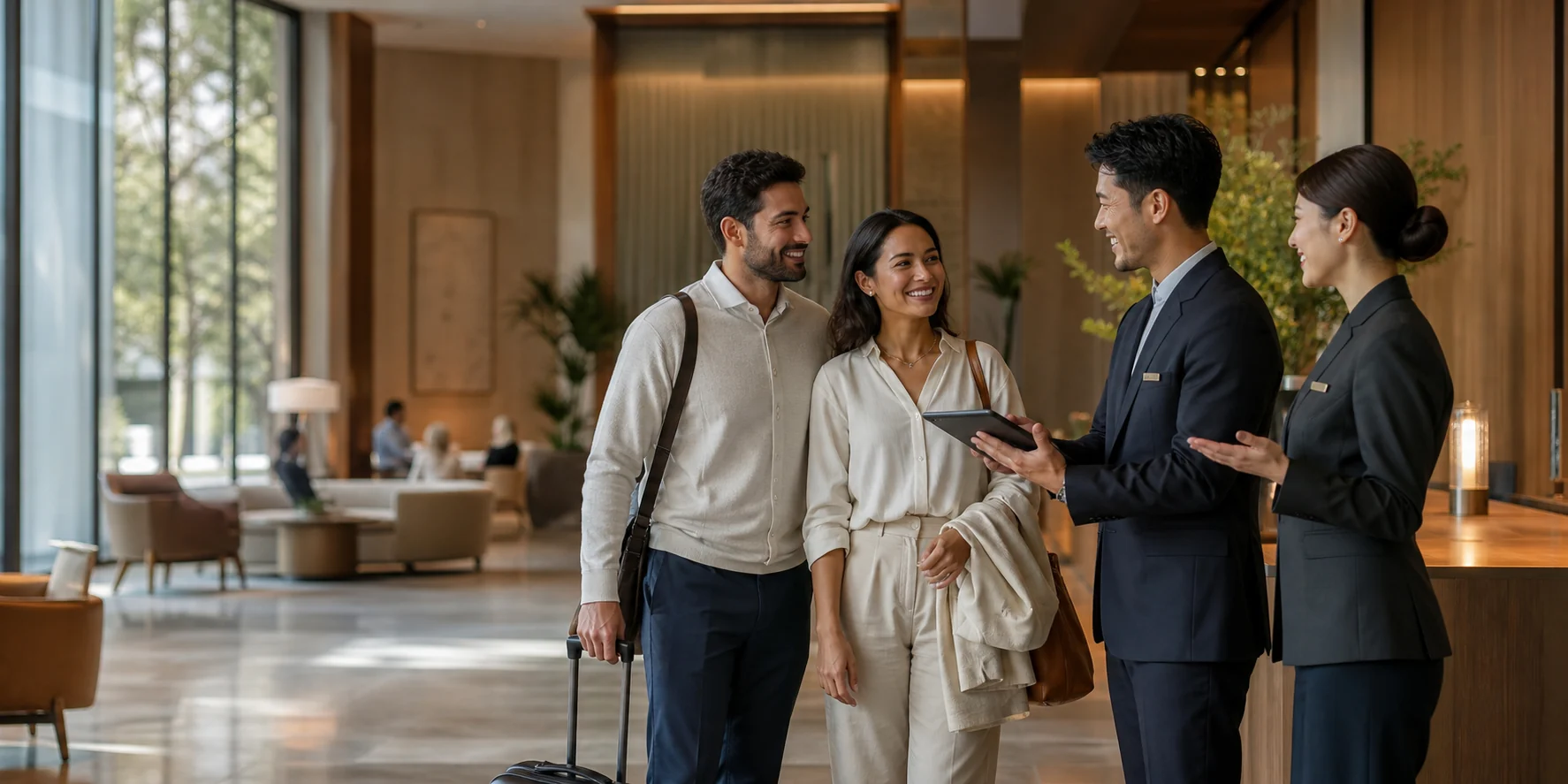
As personal AI agents curate itineraries and execute real-time rate comparisons, luxury properties are overhauling their digital catalogues and application programming interfaces to ensure effortless discovery and direct booking. This operational automation does not replace hospitality's human core; rather, by delegating back-office logistics, dynamic pricing, and routine administrative tasks to intelligent systems, properties empower on-property teams to focus on intuitive, high-touch guest service.
“The goal is to make technology invisible,” says a regional technology director at a major Bangkok-based hotel group. “Guests should feel the warmth of human welcome, not the friction of check-in counters or the opacity of rate parity.”
Travel-maxxing and budget-anchored planning
This technological cohesion mirrors how affluent guests now move across the region. According to Mandarin Oriental’s 2027 Travel Trends, modern voyagers are embracing “travel-maxxing,” deliberately pairing high-energy urban hubs with restorative rural retreats within a single itinerary. In response, luxury brands are coordinating cross-property transfers and unified concierge journeys to make multi-stop travel effortless.
Virtuoso’s 2027 Luxe Report adds that high-net-worth travelers are increasingly anchoring their trip planning around a set budget and experiential goal rather than a predetermined destination. This shift places Asia, spearheaded by Japan and Southeast Asia, at the forefront of global luxury demand. For travel advisors, this means crafting itineraries that blend city energy with countryside calm—a trend that aligns with the expansion of luxury cruise and tour operators in the region.
Mixed-use ecosystems and investment corridors
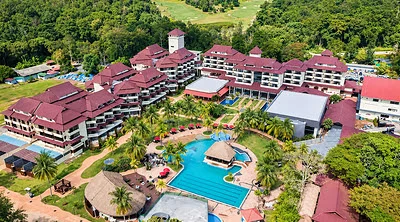
Behind the scenes, physical development and capital deployment are undergoing similar consolidation. Developers are moving beyond standalone hotels toward integrated, mixed-use ecosystems that blend hotel suites, branded residences, co-working hubs, and preventive wellness sanctuaries under a single roof. This model is gaining traction in gateway cities like Singapore and Bangkok, as well as in resort destinations such as Phuket and Bali.
On the commercial front, initiatives such as Hospitality Asia’s 2027 Regional Circuit are linking seven key Asian markets into a unified investment corridor, standardising cross-border partnerships and operational frameworks. This corridor aims to reduce friction for hotel owners and operators expanding across borders, a move that could accelerate the pace of new openings and renovations.
Balancing automation and authenticity
However, this rapid march toward efficiency presents a delicate balancing act. As highlighted in Forbes’ 2027 Hospitality Tech Outlook, a growing tension is emerging between automated, algorithmic booking channels and the deeply bespoke, emotionally resonant welcome luxury guests expect upon arrival. The report warns that over-automation risks alienating high-touch clientele who value personal recognition and spontaneity.
Moving into 2027, Asia’s standout luxury operators will not necessarily be the most visibly digitised, but rather those that master the art of keeping technology invisible, using seamless backend integration to elevate authentic human connection. This approach is already visible in properties like Meru Sanur in Bali, where wellness rituals are paired with modern tech, and in the festive programs at Nihi Sumba that blend island traditions with high-end service.
For travel professionals, the takeaway is clear: luxury hospitality in Asia is entering an era where technology is the silent enabler of exceptional service. Advisors and operators who understand this balance will be best positioned to serve the region’s growing base of affluent, multi-stop travelers.