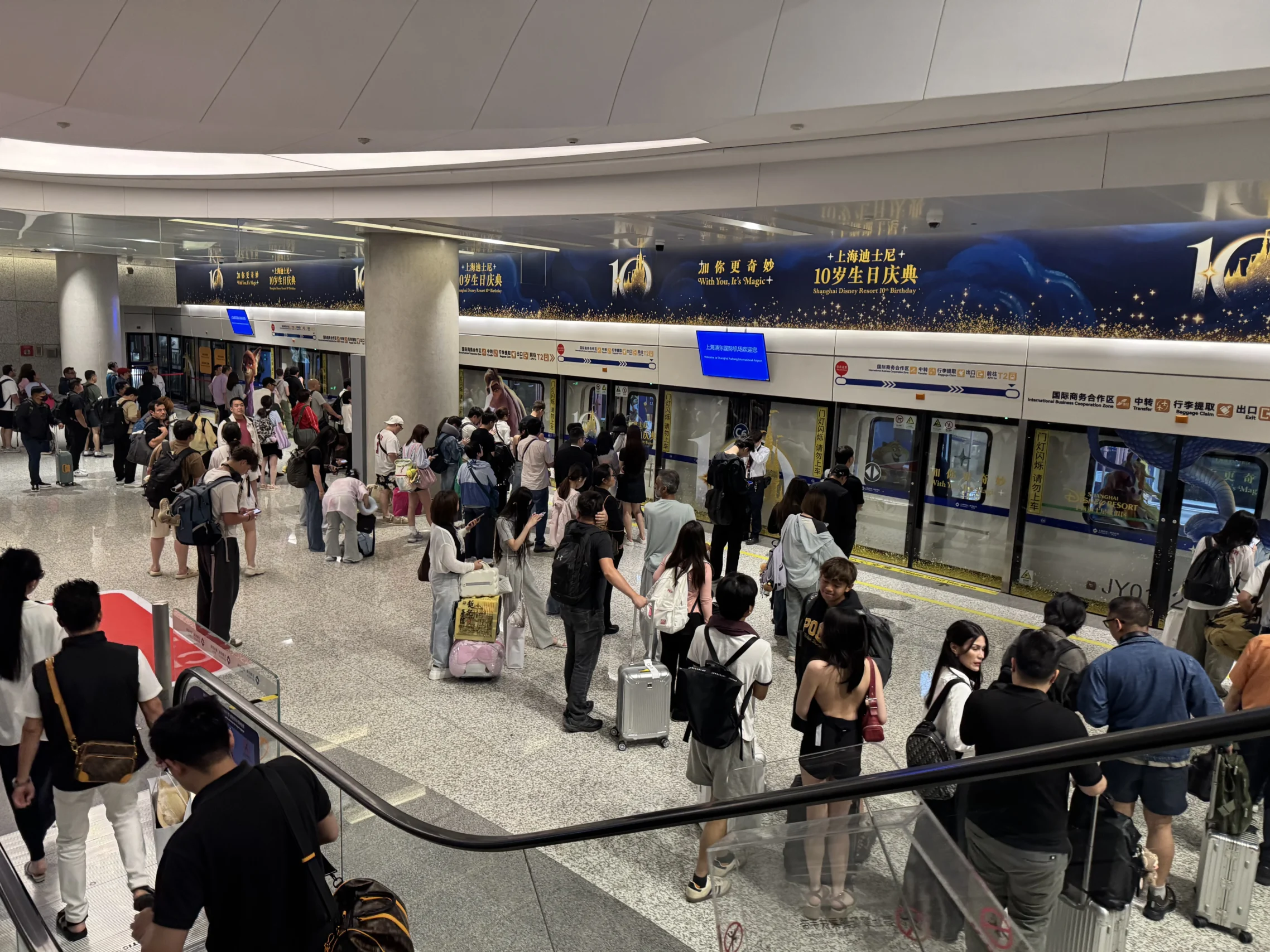
China's inbound tourism is rebounding strongly, with 30.8 million foreign visitors recorded over the past year, according to the ITB China Travel Trends Report 2026-2027 previewed at this year's ITB China. While visa-free policies have been a catalyst, industry leaders at the event emphasized that deeper structural changes are needed to sustain growth and meet evolving traveler expectations.
Five Critical Challenges for China's Tourism Sector
Edith Cowan University professor Songshan “Sam” Huang noted in 2024 that visa liberalization alone would not restore pre-pandemic inbound flows. His assessment proved prescient: delegates at ITB China identified five key areas requiring attention.
1. Digital Payment Friction
Western travelers, in particular, struggle with China's dominant digital payment platforms, Alipay and WeChat Pay. Unlike Southeast Asian visitors accustomed to super-apps like AirAsia MOVE or Grab, many from Europe and North America find registration and login processes cumbersome. Hotels operated by global chains such as Marriott or Hilton often still rely on these platforms, leaving guests without alternative payment methods. The solution lies in better onboarding for foreign users and ensuring credit/debit card acceptance remains widespread.
2. Language and Communication Barriers
While bilingual signage is common in Beijing and Shanghai, it diminishes sharply in secondary cities and rural areas. Restaurants rarely offer menus in English, and even luxury properties like those managed by Four Seasons or Shangri-La may lack multilingual staff. Extensive language training for local employees, coupled with etiquette programs, could bridge this gap and enhance the visitor experience.
3. Countering Negative Narratives
Geopolitical tensions and media portrayals have created misconceptions about safety and accessibility in certain Chinese regions. Tourism authorities must proactively promote positive imagery—focusing on cultural heritage, adventure tourism, and sustainable development—to counteract these biases. Campaigns highlighting destinations like Yunnan or Guilin could shift perceptions.
4. Shift Toward Customized Travel
Traveler preferences are moving away from large-group package tours toward independent, customized, and culturally immersive experiences. This trend pressures travel agencies and tour operators—such as Ctrip or Tuniu—to develop specialized guides and off-the-beaten-path itineraries. Collaboration with provincial tourism boards and sectors like luxury hospitality and cruise lines is essential to create fresh offerings. For instance, Milaidhoo Maldives CEO: Staff-as-Family Culture Drives Ultra-Luxury Success illustrates how personalized service can command premium rates.
5. Rising Costs and Capacity Constraints
Global oil price volatility has driven up airfares, while operational costs for hotels and attractions continue to climb. Flight capacity from Western markets has not fully recovered, leading to longer travel times and higher prices. Airlines like Air China and China Eastern must restore routes, while hoteliers need to manage cost pressures without sacrificing quality.
Addressing these challenges requires a coordinated effort across the travel ecosystem. As Xiamen Airlines to Host 83rd IATA AGM in 2027 signals, China's aviation sector is poised for growth, but infrastructure and service gaps must be closed to fully capitalize on the inbound tourism boom.