China's rapid advances in artificial intelligence, robotics, and electric vehicles are creating an unexpected new inbound travel segment. Investors, entrepreneurs, and technology executives are flocking to Shenzhen, Beijing, Shanghai, and Hangzhou—not just for boardroom meetings, but to witness the country's latest innovations on factory floors and in research labs.
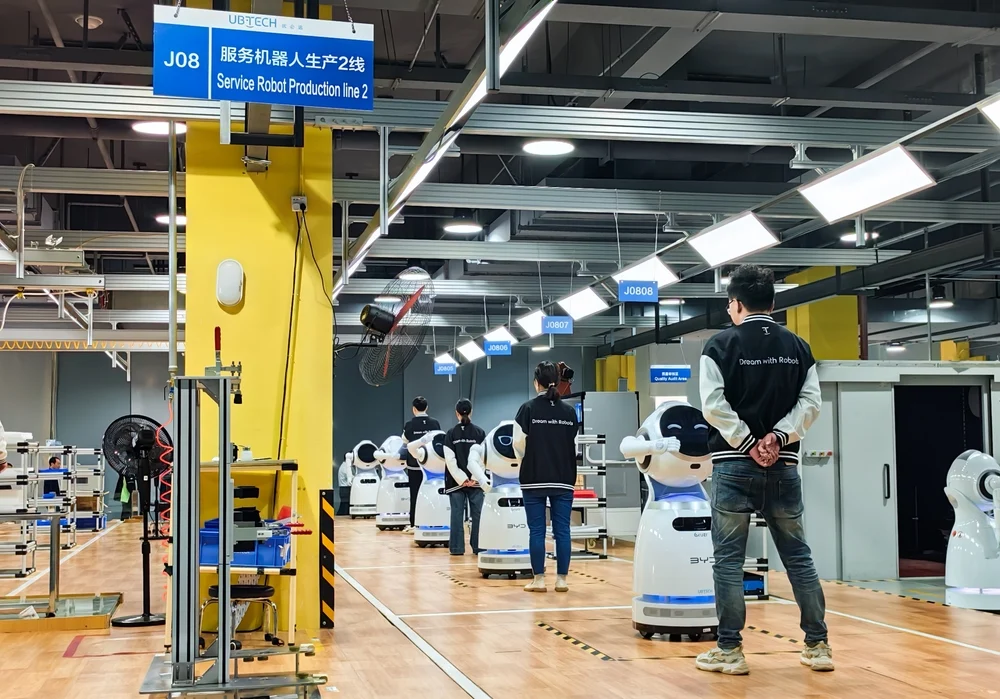
So-called "tech tours" are moving from niche curiosity to mainstream travel product. Itineraries now include visits to robotics companies, EV assembly plants, AI startups, and advanced manufacturing facilities. These are not your typical sightseeing excursions; they are high-value, access-driven programs that command premium pricing.
Shanghai-based operator GloPen reports a 50% increase in inquiries in 2026, primarily from European and Singaporean clients. The company now runs more than 100 single-day company tours per month. Five-day programs can cost as much as US$15,000, reflecting the demand for behind-the-scenes access and expert briefings.
Robots as the new tourist attraction
Robotics is giving these tours a strong experiential element. At the 2026 World Robot Conference in Beijing, around 3,000 products were on display, including humanoid robots and robot dogs. Visitors watched robots dance, box, and play table tennis, according to the Associated Press. Such demonstrations are impressive, but they also highlight the gap between spectacle and real-world deployment—a nuance that business travelers are keen to understand.
"The technology is still early in many commercial applications," notes one industry observer. "Chinese humanoid robots can perform increasingly sophisticated demonstrations, but challenges around dexterity, intelligence, and autonomous factory work remain. That gap is exactly what our clients want to assess."
Shenzhen leads the tech-tour circuit
Shenzhen has emerged as the natural hub for tech tours, thanks to its concentration of electronics, drones, EVs, robotics, and manufacturing. The famous Huaqiangbei electronics district is shifting from a sourcing destination to a visitor attraction in its own right. In the first half of 2026, Huaqiangbei ranked among China's top 10 most popular areas for international tourist hotel bookings.
Beijing, Shanghai, Hangzhou, and Hefei are also appearing on technology itineraries, giving specialist operators scope to develop multi-city programs around robotics, AI, EVs, batteries, and advanced manufacturing. This trend aligns with broader growth in China's inbound tourism, which saw foreign arrivals reach 22.9 million in the first half of 2026, up 20.4% year on year.
Opportunity for the travel trade
For travel professionals, the B2B opportunity is not simply selling another city tour. The premium lies in access. DMCs and specialist operators that can arrange factory visits, company meetings, technology demonstrations, interpreters, and expert briefings can potentially command considerably higher margins than conventional sightseeing programs.
"This is a crossover between corporate travel, educational tourism, and specialist leisure," says a travel industry analyst. "It's a valuable niche for agents and operators who can build the right relationships."
The trend also intersects with other developments in the travel industry. For instance, China's inbound tourism boom is testing service quality, and tech tours add another layer of complexity. Meanwhile, English-speaking tour guides are rejecting low day rates, which could affect the cost structure of these high-end tours.
As China's newest attraction becomes its technological prowess, the travel trade has a chance to tap into a lucrative segment. The key is to move beyond generic itineraries and offer genuine, expert-led access to the innovations reshaping global industries.