As the year-end travel surge builds across Asia-Pacific, hoteliers are recognizing that a comfortable bed is no longer enough. Discerning guests now expect seamless convenience, curated gifting, and memorable seasonal moments—and properties are responding by forging dynamic partnerships with consumer brands.
For hotel operators, the festive period is a prime commercial window. Rather than passive logo placements, forward-thinking properties are converting underutilized spaces into vibrant holiday hubs. At Andaz Gold Coast, Hyatt's first Australian lifestyle hotel, the focus is on creating local, immersive experiences that resonate with both guests and the surrounding community. Similarly, Hyatt's debut lifestyle property exemplifies how brand collaborations can enhance the guest journey.
Curating festive retail experiences
Pop-up markets featuring local artisans, luxury fragrance houses, or specialty purveyors are becoming a staple in hotel lobbies, allowing guests to source last-minute gifts without leaving the property. Hotels are also partnering with premium stationery or luxury retail labels to offer complimentary concierge gift-wrapping stations, alleviating holiday stress.
In-room shoppable lookbooks, accessed via QR-code menus, enable guests to order partner goods directly to their suites or have them shipped to loved ones. This seamless integration of retail into the hospitality experience is a win-win: hotels enhance their ambiance, while brands gain direct access to a captive, high-intent audience.
Elevating dining and wellness touchpoints
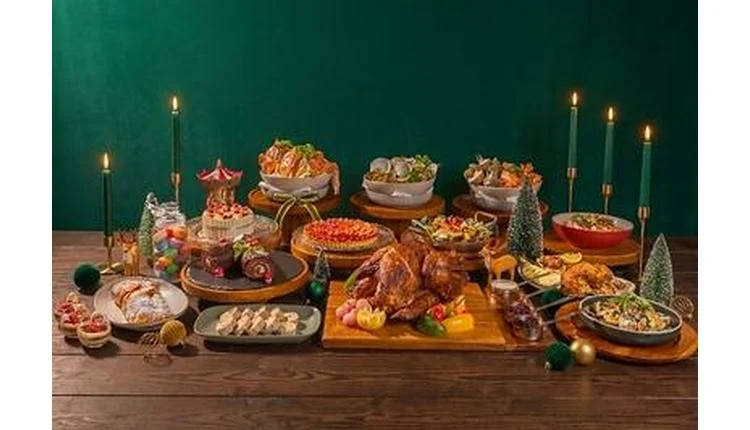
Food, beverage, and spa outlets naturally attract both in-house guests and local patrons, making them fertile ground for bespoke integrations. Collaborating with a craft distillery or heritage champagne house on a limited-edition cocktail menu—complete with custom glassware or a roving lobby bar cart—adds theatricality. Themed festive afternoon teas co-created with fashion, jewellery, or confectionery houses become social media magnets, especially when paired with branded takeaway favours like miniature ornaments.
Wellness collaborations also resonate strongly during the exhausting holiday season. Hotels are hosting holiday glow spa takeovers with trending beauty brands for express party-prep treatments, or stocking minibars with co-branded New Year's Day recovery kits featuring electrolytes, herbal teas, and silk eye masks. These thoughtful touches position the property as a holistic lifestyle destination.
Maximizing reach through suite takeovers
For maximum publicity, hotels are commissioning full VIP suite takeovers, inviting homeware or lifestyle brands to dress signature rooms in exclusive seasonal decor and merchandise that guests can take home. Pitching these limited-edition stays to lifestyle media and content creators effectively splits the marketing lift while tapping into the partner's established fanbase.
This strategy is gaining traction across the region. At Hotel Seiryu Kyoto Kiyomizu, which recently joined Virtuoso's luxury network, such collaborations are part of a broader push to offer unique, culturally rich experiences. Similarly, InterContinental Fiji's partnership with Bula Coffee for farm-to-cup tours demonstrates how local brand alliances can deepen guest engagement.
Beyond check-out: building lasting loyalty
Crucially, the most lucrative partnerships extend well beyond physical check-out. By offering reciprocal perks like late check-out or a complimentary festive tipple to a brand's loyalty members, hotels gain valuable exposure across the partner's newsletters and social channels. This symbiotic approach not only drives immediate bookings but also fosters long-term guest loyalty.
As the holiday rush intensifies, hotels that embrace these dynamic collaborations are poised to stand out. Whether through pop-up markets, co-branded wellness kits, or suite takeovers, the key is to solve genuine guest pain points while elevating the seasonal atmosphere. In doing so, properties transform into vibrant lifestyle destinations—and retail partners gain direct access to a captive, high-intent audience.
For travel professionals, this trend underscores the importance of thinking beyond traditional hospitality. By integrating retail and lifestyle elements, hotels can create memorable experiences that resonate with today's discerning travellers—and drive measurable business results.