Europe still anchors the luxury travel map for wealthy Gulf clients, but the corridor is no longer exclusive. High-net-worth travellers from Saudi Arabia, the UAE and neighbouring states are increasingly spreading their spend across Asia, with Japan emerging as a standout beneficiary. Mastercard Economics Institute data shows Japan posted the largest gain in destination spending among affluent GCC travellers in 2025, helped by a weaker yen and a travel product that aligns with evolving preferences for privacy, gastronomy and tailored experiences.
Europe's grip loosens, but doesn't break
The Gulf's wealthiest travellers have long treated London, Paris and Geneva as second homes, driven by property, education, medical travel and shopping. That foundation remains solid, but the pattern within Europe is shifting. Mastercard research indicates that France, Italy and Spain are gaining ground over the UK and Türkiye, reflecting a move toward Mediterranean resorts and secondary luxury destinations. For affluent families travelling in larger groups, southern Europe offers villas, yachts, private chefs and greater control over the environment—attributes that traditional city hotels struggle to match.
Visa's analysis of affluent international travel underscores the scale: affluent cardholders accounted for 65% of travel on the MENA-Europe corridor in 2024, making it the leading extra-regional route for Middle East and North Africa travellers. Yet Europe now faces more competition, and the commercial stakes are considerable. Mastercard projects Saudi and UAE visitor spending in Europe could reach $13.2 billion by 2028, up from $7.4 billion in 2019.
Japan's rise on the Gulf luxury circuit
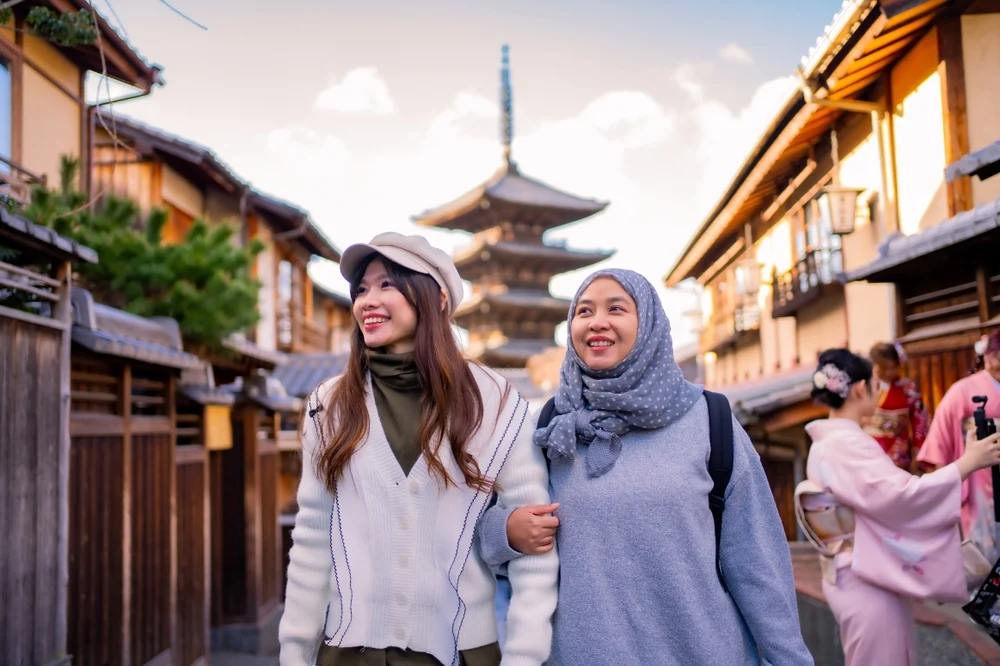
Japan's appeal is multifaceted. Tokyo delivers luxury retail, high-end hotels and a formidable dining scene, while Kyoto offers ryokans, cultural access and highly personalised touring. Ski resorts, wellness retreats and nature-led itineraries give advisors scope to extend beyond the standard Tokyo-Kyoto route. The weaker yen has made these experiences more accessible, but the deeper draw is the ability to craft multi-generational journeys with private guides, exclusive cultural visits and specialist dining access—exactly what Gulf HNIs increasingly expect.
Spending by Gulf travellers has also risen in mainland China and Hong Kong, indicating a broader appetite for Asian destinations rather than a Japan-only phenomenon. For travel advisors, this opens a seasonal opportunity: while Europe dominates the traditional Gulf summer calendar, Japan can compete for spring, autumn and winter travel. As Agoda data shows record demand for Japan's 2026 Silver Week break, the destination's pull is clearly extending beyond traditional source markets.
Maldives retains its privacy edge
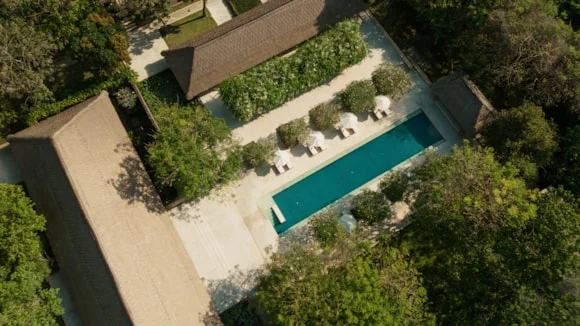
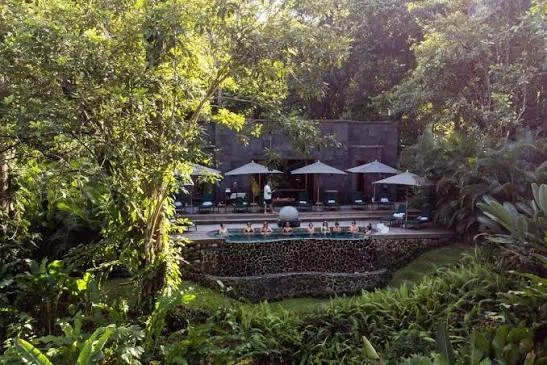
If Japan is about discovery, the Maldives succeeds for the opposite reason: it allows travellers to withdraw. Privacy has long been central to its appeal for wealthy Middle Eastern families, with large villas, private pools and discreet service enabling family groups to stay together without relying on public resort areas. Visit Maldives' Q1 2026 market analysis reported 82,558 arrivals from the Middle East and GCC in 2025, up 3.6%, and describes these visitors as a high-value segment, often travelling in larger groups and spending on private yachts, villa upgrades and exclusive wellness experiences.
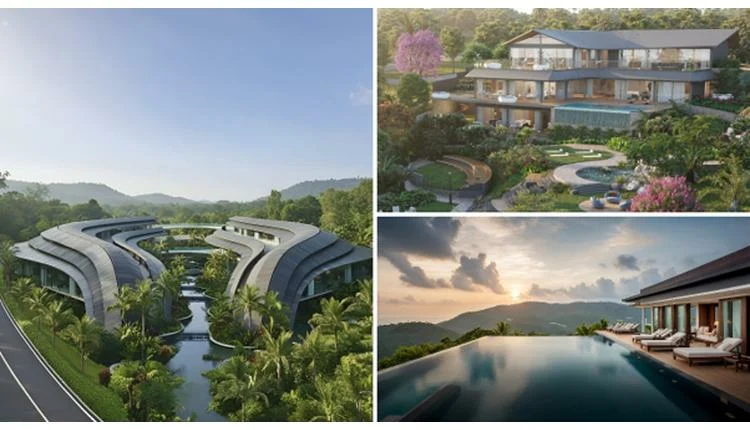
Mastercard's research confirms this preference extends beyond one destination: 27% of affluent travellers surveyed said they would pay more for villas and chalets in secluded locations, while 21% would spend more on luxury accommodation on private islands. For suppliers, privacy is no longer merely a service attribute—it is becoming a core part of the product being priced and sold.
Spending shifts beyond the hotel suite
Luxury shopping remains deeply embedded in Gulf outbound travel, but the spending basket is widening. Mastercard Economics Institute found dining accounted for 18% of Gulf travellers' spending in 2025, up from less than 12% in 2019. Bookings at four- and five-star hotels have also risen, reflecting a demand for higher service standards and more experiential stays.
For luxury hotels and destination marketers, the implications are clear: the Gulf client is no longer satisfied with a standard city package. They seek privacy, gastronomy, wellness and tailored experiences, and they are willing to pay for them. As independent hotels carve their own path beyond brand scale, those that can deliver these elements will capture a growing share of this lucrative market.
The shift also presents opportunities for cruise lines and tour operators. With Asian cruisers booking Europe earlier as NCL expands Mediterranean and Alaska options, the appetite for multi-destination luxury travel is clear. For travel advisors, the key is to position Japan and other Asian destinations as complements to, not replacements for, Europe—offering Gulf clients a broader palette of experiences that meet their evolving expectations.