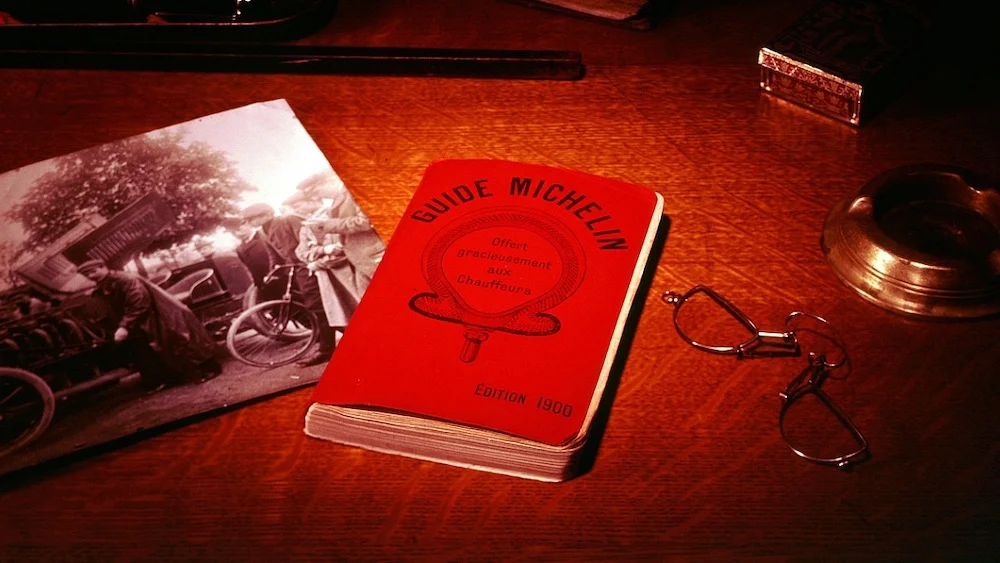
The Michelin Guide's annual announcements—whether for 2027 stars or the latest additions across Asia and beyond—have long been a focal point for gastronomic tourism. Destination marketing organizations have increasingly leaned on the Guide's endorsements to attract affluent travelers, a trend highlighted by Rebecca Barnes, CEO of Imagine, who told Travelmao earlier this year: "Culinary tourism isn't just a trend: it's a serious economic driver. And nothing validates a destination's food scene like a Michelin Star."
Yet as the Guide expands its footprint—now covering more than 40 destinations worldwide—a growing chorus of critics is questioning whether the pursuit of stars and keys is doing more harm than good. From accusations of pay-to-play dynamics to the displacement of local communities, the Michelin effect is no longer seen as an unalloyed boon.
Independence under scrutiny
In a sharply worded piece for The Guardian on 31 August, George Francis Lee detailed how chefs are losing faith in the Guide's credibility. The anonymous inspectors, who dine under assumed names to preserve objectivity, are supposed to evaluate consistency, flavour, ingredient quality, technique, and chef personality. But with the UK and Ireland guide alone now listing hundreds of starred venues, doubts persist about whether enough inspectors exist to revisit restaurants regularly and maintain standards.
Restaurant critic Andy Hayler has been blunt about the financial underpinnings: "For many years now, [Michelin Guides] outside Europe have been funded by tourist boards. I'm speaking hypothetically here, but if a tourist authority pays millions for a guide, it inevitably creates pressure. Inspectors aren't going to return and say, 'Sorry, none of your restaurants are good enough.' That doesn't mean the restaurants are bad, but it does compromise independence, in my view."
This model shifts public tourism budgets away from broad infrastructure—such as transport links, signage, or community events—and toward marketing a handful of elite establishments. Smaller destinations that cannot afford the hefty fees are effectively sidelined from the global luxury travel map, a concern echoed by urban planners and tourism researchers.
Overtourism and the price of a star
Academic research supports the notion that Michelin recognition can trigger overtourism. A 2020 study by Chiang Chun-Fang and Guo Hung-wen at Taiwan's Chinese Culture University found that a star or Bib Gourmand rating often leads to an immediate surge in affluent international culinary tourists. The authors noted: "After a restaurant is awarded a Michelin Star, the number of visitors wishing to visit the establishment increases substantially. This makes it difficult to secure a reservation. Naturally, consumers develop higher expectations concerning that restaurant's standards. To enhance quality, many restaurants use high-quality ingredients, which increases the price of their cuisine."
Peter Cruiming, an administrator for the Hotspots Algarve social media group, has observed the same pattern in Portugal's southern region. "Michelin stars tend to drive up menu prices, thus pandering only to elite customers whilst excluding ordinary people with average budgets," he said. This dynamic can transform once-accessible neighbourhood eateries into reservation-only venues, with waiting lists stretching six months to a year—even for regulars.
Foodification and the human cost
Beyond pricing, experts warn of "foodification," a process whereby historic centres and local communities see their retail spaces converted to cater almost exclusively to food tourists. Traditional shops, neighbourhood services, and affordable housing are displaced by high-end dining spots, luxury hotels, and tourist-facing venues. This not only erodes the character of destinations but also disadvantages grassroots micro, small, and medium enterprises.
The pressure on chefs is another critical issue. As Anthony Bourdain's Kitchen Confidential made clear, the kitchen is already a high-stress environment. Adding the pursuit of Michelin recognition amplifies that tension. Behavioural analysts point to severe chef burnout, high staff turnover, and a culture fixated on perfectionism rather than hospitality or local culinary expression. Cruiming put it starkly: "Michelin stars put immense pressure on chefs and restaurateurs. They are judged on a scale of one to three stars, which means even a single star can be seen as a failure. This constant pressure to strive for perfection can..."
For travel professionals, the implications are significant. Tour operators and agents may need to consider whether promoting star-chasing itineraries aligns with sustainable tourism goals. Hoteliers and cruise lines, such as those featuring Michelin-starred chefs on board, might also weigh the reputational risks. As destinations like Japan see regional areas gain ground—partly through culinary tourism—the balance between prestige and community well-being becomes ever more delicate.
The debate is not about dismissing the Guide's role in elevating culinary standards. Rather, it is a call for transparency and a more equitable distribution of tourism benefits. As the industry moves forward, the question remains: can the Michelin Guide adapt to a world that increasingly values authenticity and sustainability over exclusivity?