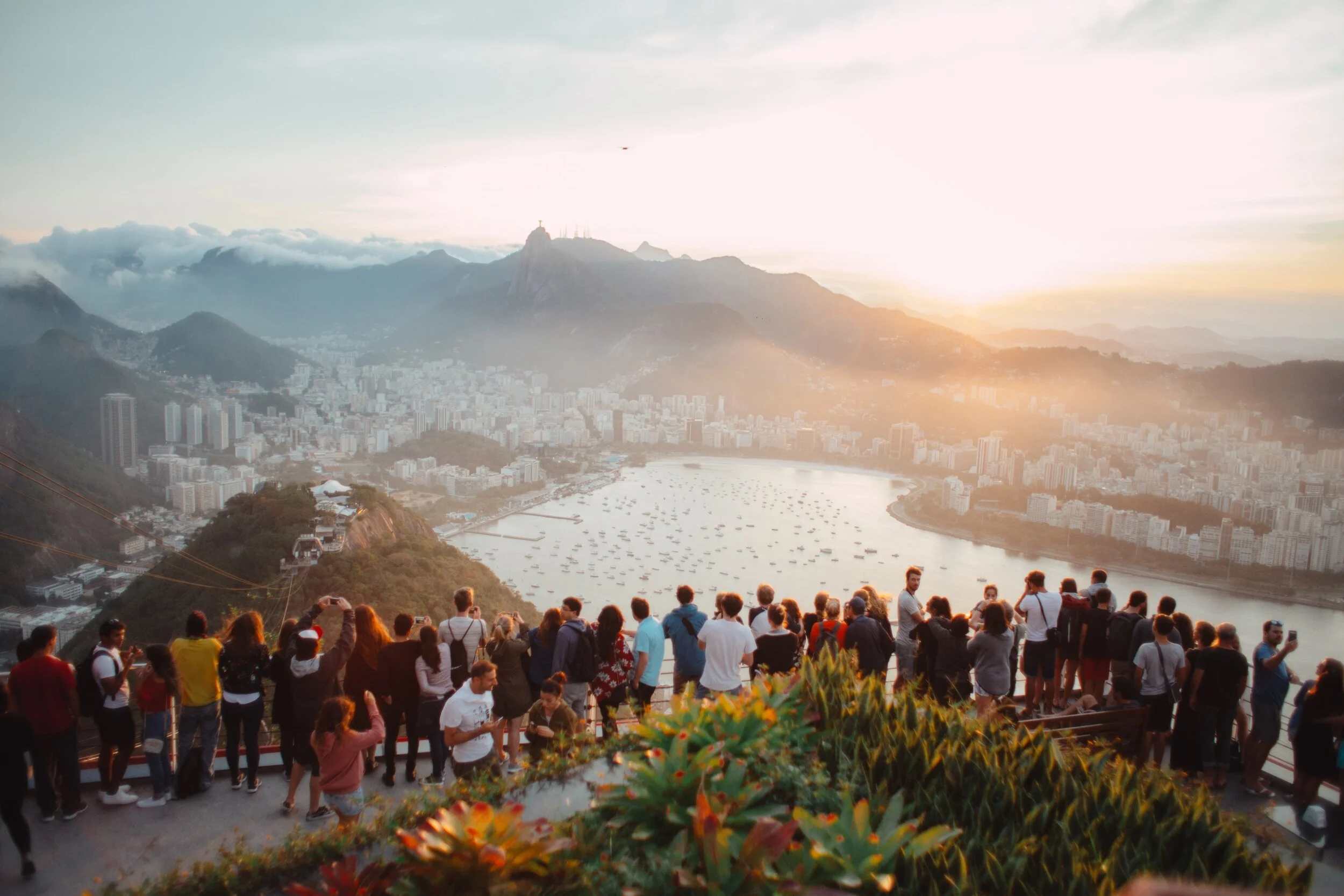
Global travel demand continues to defy economic headwinds, with international overnight arrivals reaching a record 1.57 billion in 2026. But the industry's growth is colliding with a deepening overtourism crisis that experts say will persist well into 2027.
According to the Global Travel Report 2026 presented at World Travel Market (WTM) London, Tourism Economics projects arrivals to jump another 8% in 2027 if geopolitical tensions ease. That would put even more strain on popular infrastructure, from airports to hotel capacity.
Local backlash intensifies
In heavily visited areas, particularly in Spain, Italy, and Japan, residents are developing what analysts call "tourism phobia." The influx of visitors and digital nomads is driving up residential real estate costs, straining local services, and pushing up prices for basic goods. As a result, locals are showing increasingly open hostility toward tourist crowds.
"Our objective is to ensure that tourism creates opportunities for local communities while preserving their quality of life," said a European tourism official. "Tourism brings growth, jobs, and investment, but its benefits are not equally distributed. Some destinations face strong pressure from visitor numbers, while other territories have significant untapped potential."
Urban destinations like Amsterdam and Barcelona have responded by freezing hotel construction, raising tourist taxes, and restricting short-term rentals. However, experts note these measures often merely push crowds into surrounding neighborhoods without actually reducing overall numbers.
Shifting traveler behavior
As 2026 draws to a close, several trends are reshaping the global travel landscape. A survey by Omio and YouGov found that 47% of respondents plan to travel more in the coming year. Meanwhile, 66% expect to travel domestically, and 46% plan to visit another country within their region.
Notably, a growing number of travelers are swapping famous hubs like Bali for lesser-known regions in Indonesia, North Africa, or secondary European cities. Additionally, 22% of those surveyed plan to book trips outside the busiest months to avoid crowds.
Explore Worldwide forecasts a sharp rise in monsoon or green season tourism, with bookings surging for wetter off-peak periods in places like Borneo. However, experts warn that redirecting tourists to quiet areas can create new overtourism hotspots if those places lack adequate housing, water, and transit infrastructure.
Rather than relying solely on strict visitor caps, institutions like the European Union are rolling out management toolboxes focused on resident well-being and spreading visitors across seasons. This approach aligns with broader efforts to balance tourism growth with community needs.
For travel professionals, the message is clear: overtourism is not a temporary issue but a structural challenge that requires innovative solutions. As India emerges as a top source market for global hotel demand by 2027, destinations must prepare for even more diverse visitor flows.
Some regions are already experimenting with regional approaches. For instance, Indochina's unified visa plan targets overtourism across Cambodia, Laos, and Vietnam, aiming to distribute visitors more evenly. Similarly, Visit Brasil launched a global Carnival push at WTM London, seeking to attract travelers beyond traditional peak seasons.
As the industry looks ahead, the key will be to manage growth sustainably. UK travelers continue to sustain US arrivals, even as European numbers slide, highlighting the importance of understanding shifting source markets.
Ultimately, the overtourism crisis demands a coordinated response from airlines, hoteliers, cruise lines, and destination managers. The industry must innovate to ensure that tourism benefits local communities while preserving the quality of life that makes destinations attractive in the first place.