Qatar Tourism has unveiled Skeek Al Doha, a new cultural walking route that links five restored heritage landmarks across the capital, signalling a strategic push into heritage tourism as the country looks to broaden its appeal beyond modern attractions. The six-month initiative, which began on 24 November 2026 and runs until mid-May 2027, combines heritage exploration with community storytelling and seasonal activities, offering visitors a more immersive way to experience Doha's evolution from a trading hub to a contemporary metropolis.
The launch comes as Qatar continues to draw significant numbers of visitors from neighbouring Gulf markets. According to Qatar Tourism data reported by Qatar News Agency, the country welcomed 2.95 million international visitors between January and October 2026, with travellers from Gulf Cooperation Council (GCC) countries accounting for 39.9% of arrivals — approximately 1.176 million visitors. Asia and Oceania contributed 630,000 visitors, while Europe accounted for 620,000. October alone saw 336,000 international arrivals, a 21.7% increase from September, underscoring the importance of regional travel to Qatar's tourism economy.
Connecting historic Doha through cultural experiences
Skeek Al Doha brings together five heritage destinations, each representing a distinct chapter in Doha's history. The route includes Fereej Al Asmakh, which explores traditional neighbourhood life and community customs, and Bayt Al Zaman, which reflects the city's architectural heritage, trading history and family memories. The Founder's House of Sheikh Jassim bin Mohammed Al Thani offers insight into Qatar's historical roots and national identity, while Doha Stadium traces the origins of football in the country. Dar Al Kutub Al Qatariya showcases the importance of literature, archives and rare books in preserving Qatar's collective memory.
Rather than presenting these sites as standalone attractions, the initiative connects them through cultural storytelling, workshops, performances and interactive experiences. The six-month programme will coincide with key dates in Qatar's cultural calendar, including Qatar National Day celebrations in December, family-oriented activities in January, and sporting experiences around National Sport Day in February. In March, Ramadan programming will focus on traditional crafts and Qatari hospitality, followed by special activities for Eid Al Fitr.
Local community participation has been central to the project, with residents contributing their memories, knowledge and traditions to help interpret the heritage sites. Qatar Tourism Chairman Saad Bin Ali Al-Kharji said: “Skeek Al Doha reflects our commitment to diversifying Qatar's tourism offering through experiences rooted in our cultural heritage.”
Beyond the heritage trail: Discovering Doha's everyday charm
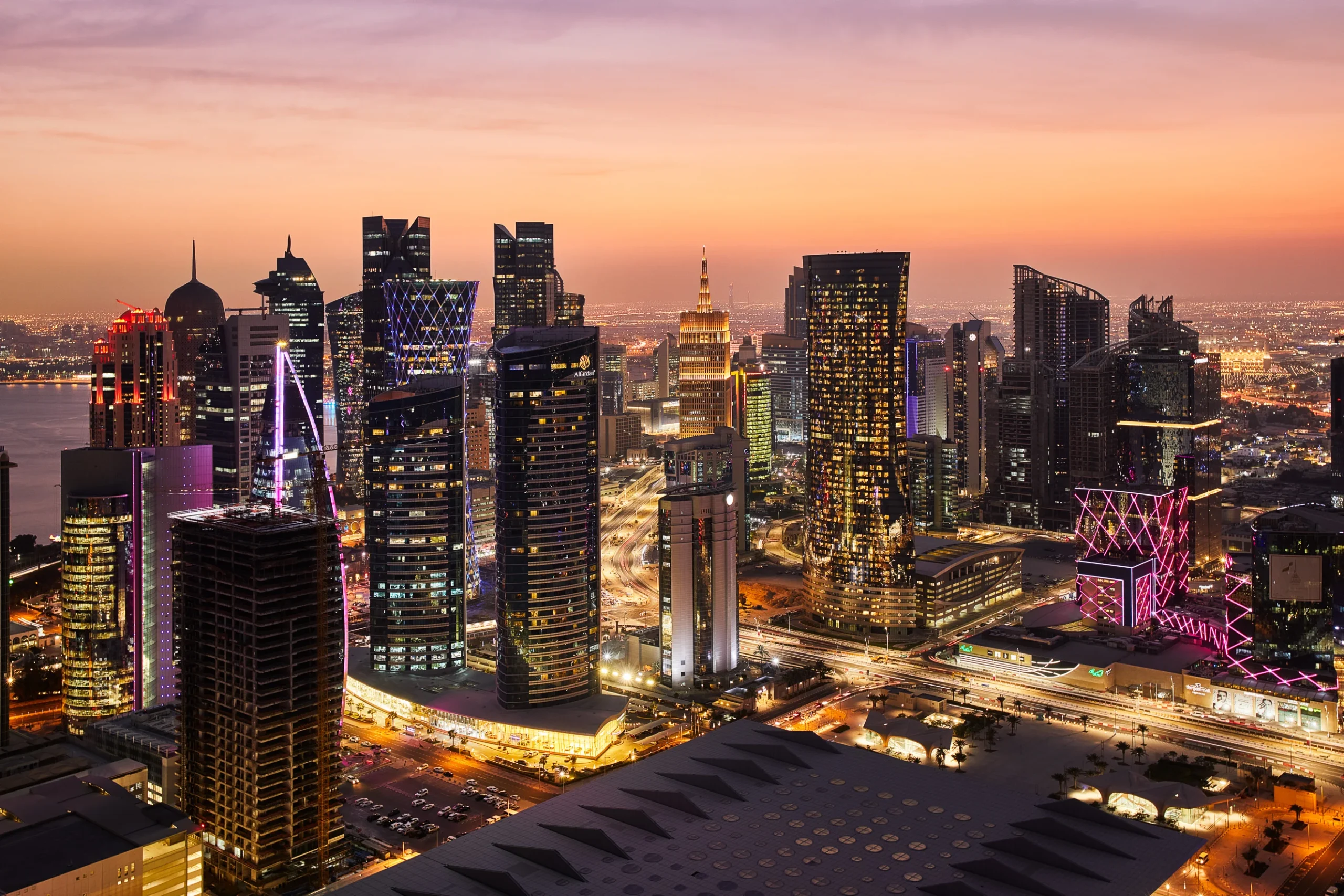
Beyond its modern skyline, Doha's appeal lies in the everyday experiences that blend history and contemporary culture. Through its destination marketing, Visit Qatar highlights the city's waterfront promenades, traditional markets and cultural neighbourhoods. Along the Corniche, traditional wooden dhows drift across the bay as residents and visitors gather for waterfront walks, while nearby Souq Waqif comes alive in the evening with spice shops, cafés and restaurants. At Msheireb Downtown Doha, contemporary architecture draws inspiration from traditional Qatari design, while heritage houses and museums offer insight into the communities that shaped the capital.
Visitors can also explore Doha's wider cultural landscape through the Museum of Islamic Art, the National Museum of Qatar and Katara Cultural Village, where galleries, performance spaces and waterfront promenades bring art and heritage into everyday city life. From leisurely walks along the Corniche to traditional Arabic coffee and local dining experiences in Souq Waqif, these attractions encourage travellers to spend more time discovering the capital beyond its best-known landmarks.
For Qatar's tourism industry, connecting these experiences with heritage initiatives such as Skeek Al Doha creates opportunities to position Doha as a destination for immersive cultural exploration, rather than simply a stopover or modern city break. The move aligns with broader regional trends, as destinations like Abu Dhabi and Dubai also invest in cultural districts and heritage experiences to differentiate their offerings.
Cultural tourism supports Qatar's wider growth ambitions
The new heritage route forms part of Qatar's broader efforts to diversify its tourism economy and strengthen its position as a regional destination. Under its National Tourism Sector Strategy 2030, Qatar aims to attract six million international visitors annually by the end of the decade, with emphasis on developing cultural attractions, museums, international events and distinctive visitor experiences.
The country welcomed 5.1 million international visitors in 2025, a 3.7% increase from the previous year. Hotel room nights sold rose by 8.6% to more than 10.8 million, while average hotel occupancy reached 71.3%, according to Qatar Tourism's 2025 Annual Performance Report. Doha's designation as GCC Tourism Capital 2026 provides another platform for promoting the capital's cultural attractions and strengthening regional tourism cooperation.
The wider destination strategy also includes an expanding programme of events. The 2026/2027 Qatar Calendar features more than 560 events developed in collaboration with nearly 40 partners, spanning sports, culture, business and entertainment. These initiatives, combined with heritage-focused products like Skeek Al Doha, are designed to lengthen stays and increase visitor spend, supporting the country's ambition to become a leading cultural tourism hub in the Gulf.
For travel professionals, the launch of Skeek Al Doha signals a growing emphasis on experience-led itineraries in Qatar. Tour operators and agents can incorporate the walking route into cultural packages, while hoteliers and DMCs may see increased demand for guided heritage tours and local experiences. As Qatar continues to invest in its cultural infrastructure, the destination is positioning itself as more than a transit point — it is becoming a place where visitors can engage deeply with the region's history and traditions.