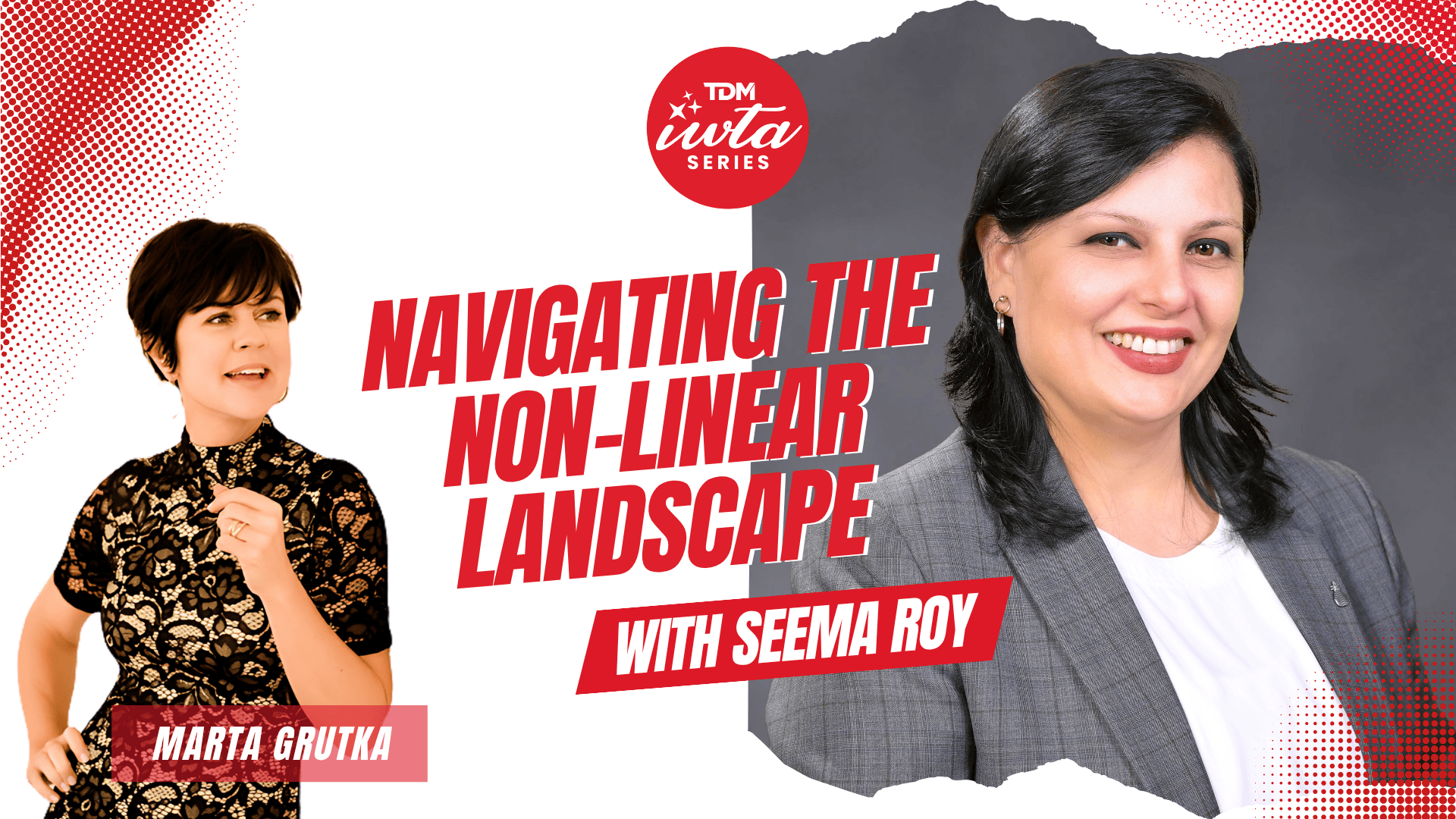
In an interview with Inspiring Women in Travel Asia (IWTA), Seema Roy, area managing director for South Asia, Middle East, and Africa at Preferred Travel Group, outlined how the company is navigating regional market shifts and digital disruption. Based across New Delhi, Dubai, and Cape Town, Roy oversees hotel retention, soft-brand portfolio growth, and outbound sales in some of the world's fastest-moving travel corridors.
Soft Branding Comes of Age
When Roy joined Preferred Travel Group 16 years ago as its third regional employee, the company operated like a startup. At that time, developers and asset owners in South Asia relied heavily on standard franchising or rigid management contracts. Soft branding was virtually unknown. Over nearly two decades, Roy led a major educational shift among independent hotel owners and real estate developers. Today, developers approach partnerships with clear target outcomes, and Preferred Travel Group delivers a made-to-measure framework connecting a diverse global portfolio—from boutique six-room lodges to 2,000-key luxury properties—to international markets, allowing independents to compete with legacy chains.
Authenticity Over Opulence
The B2B luxury market has undergone a generational shift. Drawing on data from the 7-million-member I Prefer Rewards program, Roy noted that modern travelers reject repetitive corporate designs—a trend she calls "pagification." She said: "Today's luxury is experience-driven; it is authenticity over opulence. It could be a very nice plush building, but if you close your eyes and don't know where you are, if you don't have a sense of place, it doesn't connect you to that place, that community. I think people don't consider that as a luxury experience anymore, at least today's audiences."
Roy emphasized that technology is deployed strategically as a data enabler, supplying analytical insights and processing traveler data to construct highly targeted B2B campaigns. However, she stressed that artificial intelligence will not replace human staff in the premium space. Luxury hospitality relies on personal relationships and intuitive care—qualities data streams cannot replicate.
Future-Proofing Hospitality
To address post-pandemic talent shortages, Roy argued the industry must reshape its public narrative. Instead of focusing solely on long operational hours, leaders should showcase the life skills, strategic resilience, and career velocity the industry offers. She advocates for solution-oriented resilience—clearing operational clutter by focusing teams on resolving bottlenecks rather than managing friction. Roy also stressed generational inclusivity, actively incorporating perspectives from Gen Z and Gen Alpha into family travel design and workplace structures. She champions the power of the generalist, encouraging non-linear, cross-functional roles that build comprehensive business understanding.
Preferred Travel Group’s workforce reflects a commitment to merit-based diversity, with nearly 60% women based on matching the best talent to the role. For emerging executives, Roy advises avoiding rigid, linear thinking. By understanding your worth, leveraging natural strengths, and maintaining cross-functional curiosity, industry volatility can become a powerful engine for professional growth.
For more on industry trends, see Radisson Hotel Group's expansion in India and Banyan Group's new Phuket townhomes.