Stress is quietly suppressing air travel demand, according to new research from SITA, the air transport technology provider. The 2026 Passenger IT Insights survey, based on responses from nearly 8,000 travelers across 24 countries, found that 42% have avoided taking a trip because of the anxiety they expect to face at airports. That figure rises to six in ten among frequent flyers and more than half of travelers under 30 — precisely the segments airlines and airports most want to retain.
Yet the same groups are also the most convinced that technology can ease the pain. Eight in ten passengers overall believe digital tools could reduce the stress of flying, with 89% of frequent flyers and 86% of under-30s expressing optimism. For an industry still chasing a full recovery in passenger volumes, the implication is clear: invest in smoother journeys and you unlock latent demand.
Anxious between security and boarding
The survey pinpoints the security-to-boarding stretch as the most stressful part of the journey. One-third of passengers now report feeling anxious during that phase — triple the share in 2023. Long queues, gate changes, and uncertainty about baggage are the main culprits. SITA CEO David Lavorel argues that sharing real-time data across airlines, airports, and border agencies can help passengers anticipate delays and manage expectations. “Every trip we win back is a seat filled, a parking space sold, and a coffee bought,” he said.
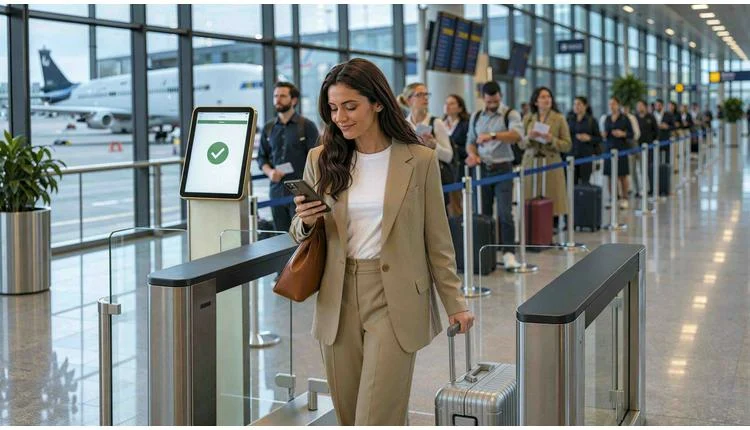
Lavorel’s point resonates with commercial teams across the sector. A calmer passenger is more likely to spend at retail outlets, book ancillaries, and return for future trips. The survey’s regional data underscores the opportunity: in the United Arab Emirates, where biometric border control is widely deployed, only 13% of passengers report negative emotions, compared with 37% globally. That gap suggests technology adoption directly correlates with traveler sentiment.
For airlines and airports, the message is to prioritize investments that reduce friction — from mobile notifications about gate changes to automated bag tracking. Some carriers are already experimenting with stopover packages to sweeten the journey, such as Qatar Airways’ free Doha stopovers for UK travelers, which aim to turn a layover into a perk rather than a pain point.
Lavorel concluded, “Calm is a commercial measure. Improve today’s experience, and we’ll unlock tomorrow’s demand.” The survey’s findings align with broader industry trends: ACI’s latest passenger satisfaction research also highlights disruption alerts as a top priority for travelers. And as GHA’s survey on hotel strategy shows, technology is set to dominate how travel brands engage customers by 2030.
For travel professionals, the takeaway is straightforward: stress is a demand killer, and technology is the antidote. Whether it’s biometric gates, real-time queue updates, or predictive baggage alerts, the tools exist. The challenge is deployment — and the payoff is measurable in seats filled, rooms booked, and cruises sold.