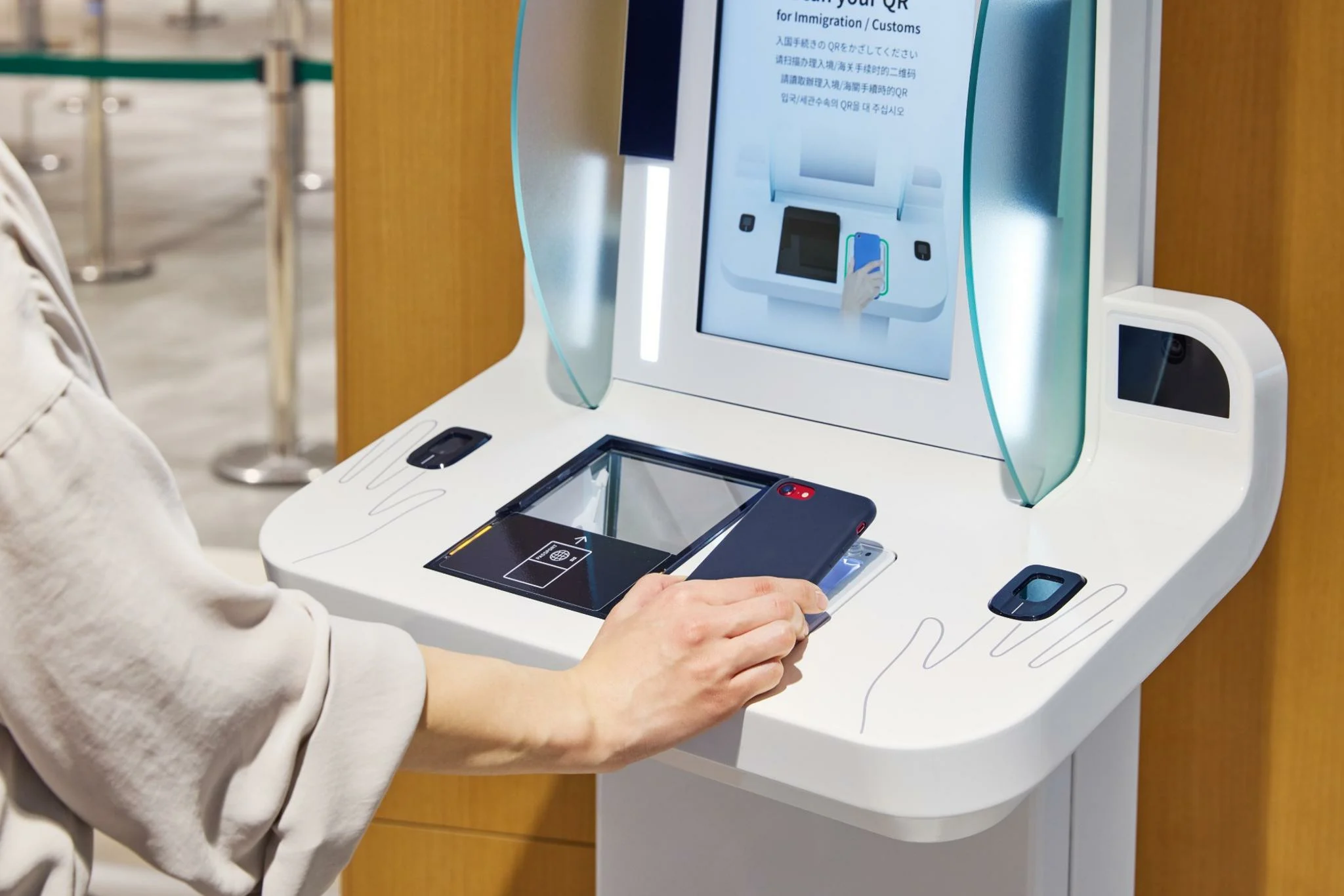
For decades, securing a travel visa meant navigating stacks of paperwork, booking elusive embassy appointments, and surrendering passports for weeks at a time. That legacy framework is now being dismantled by a wave of nascent technologies, shifting border clearance from physical counters to smartphone screens. While sovereign governments still dictate entry rules and make final adjudications, artificial intelligence, biometrics, and digital wallets are rapidly transforming how travellers apply and how authorities process them.
End-to-end digital processing takes hold
At the forefront of this evolution is the ongoing transition to end-to-end digital processing in many parts of the world. Physical visa stickers and paper forms are steadily giving way to electronic visas and cloud-based immigration statuses, exemplified by the United Kingdom’s shift toward a fully digital eVisa system. Travellers can now upload supporting documents, monitor application milestones in real time, and manage their immigration status online without parting with their passports.
Artificial intelligence is simultaneously eliminating the friction of complex paperwork. Conversational AI assistants and optical character recognition (OCR) now guide applicants step by step, automatically extracting biodata from passport scans and verifying that headshots meet strict regulatory specifications. By catching typos and formatting errors prior to submission, these tools dramatically reduce rejections caused by simple clerical mistakes.
Remote biometrics and digital wallets
Remote biometric enrolment is sparing applicants long journeys to regional visa centres. Travellers can securely capture facial scans and fingerprints via mobile devices, pairing them with emerging digital wallets and blockchain-backed credentials. These encrypted repositories allow globetrotters to store and reuse verified identity documents and professional qualifications seamlessly across multiple borders.
For the aviation and hospitality sectors, application programming interfaces (APIs) are taking convenience a step further, embedding visa checks and applications directly into airline and booking platform checkout flows. This integration is particularly relevant as cross-border travel payments become more streamlined, reducing friction for both carriers and passengers.
Machine learning clears backlogs
Behind the scenes, immigration ministries are deploying machine learning to clear stubborn post-pandemic backlogs. Automated triage systems swiftly approve routine, low-risk profiles while flagging anomalies or potential fraud for human officers to scrutinise. Likewise, digitised verification engines also cross-check applicant data against global security databases, translate foreign documents, and validate digital signatures in seconds.
This digital transformation is not limited to visa processing. As China's digital ecosystem has already shown, integrated technology can reshape the entire travel journey, from booking to border control. Airlines like Emirates and Singapore Airlines are already testing biometric boarding, while hotel groups such as Marriott and Hilton are exploring digital identity verification for seamless check-ins.
Balancing efficiency with privacy
Yet as border administration digitises, critical trade-offs demand attention from policymakers and industry stakeholders alike. Over-reliance on automated risk screening introduces concerns around algorithmic bias and transparency; when an algorithm flags a traveller, applicants frequently receive little clarity on the reasoning. Centralising sensitive biometric and passport data also creates lucrative targets for cybercriminals, necessitating rigorous encryption and cross-border compliance standards.
For travel professionals, the implications are clear. Agencies and tour operators must adapt to new digital processes, while technology vendors have an opportunity to provide solutions that bridge the gap between government requirements and traveller convenience. The loyalty-as-a-service model, for instance, could integrate visa status into frequent-flyer profiles, offering a seamless experience for premium travellers.
As global visa applications continue to rise, the shift to AI and biometrics is not just a trend but a necessity. The industry must embrace these changes while advocating for transparency and data protection. Those who adapt will thrive in a world where borders are increasingly digital, and those who lag risk being left behind.