Artificial intelligence is reshaping how travelers discover hotels, but the final booking still overwhelmingly happens through established channels. New research cited by Aven Hospitality reveals a stark divide: 70% of travelers intend to use AI for hotel recommendations, yet only 3% complete a booking directly through an AI platform. Nearly half still reserve via hotel websites or apps, reinforcing the enduring role of direct booking.
Noreen Henry, chief revenue officer at Aven Hospitality, sees this as a fundamental shift in hotel distribution. "AI is absolutely moving hotel distribution upstream," she said, meaning the technology influences travelers before they even decide where to book.
The research also found that about one in three travelers have booked a hotel that AI recommended, even if the transaction occurred elsewhere. That indicates AI is already shaping purchasing decisions, even when the final click happens on a hotel's own site or an OTA.
Why travelers hesitate to let AI complete bookings
Henry attributes the low direct-booking rate to traveler caution. People want to verify room details, full prices, cancellation terms, and inclusions before committing. "So AI may create the intent, but the hotel's direct channels have an important job," she said.
This dynamic places new pressure on hotels to ensure their properties are accurately represented in AI-generated recommendations while making it seamless for travelers to move from inspiration to reservation. For independent hotels, the stakes are higher: 18% of travelers say they use AI because it surfaces properties they wouldn't have otherwise considered, offering a potential visibility boost.
However, Henry cautioned that larger brands still hold advantages in scale, recognition, and resources. Independent operators must clearly communicate distinctive amenities and services to improve their relevance in AI-driven suggestions.
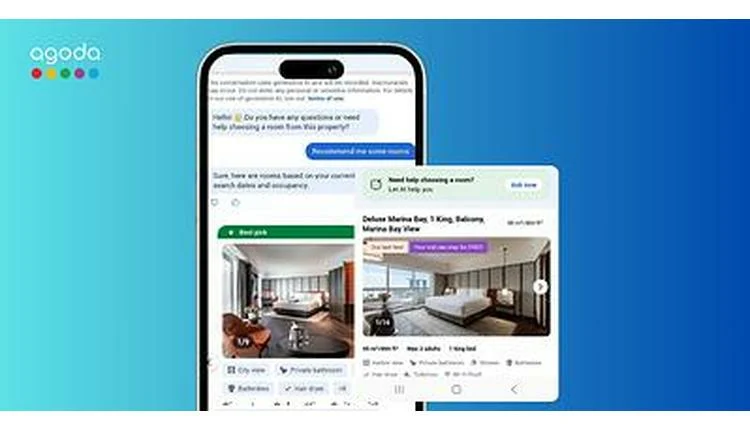
The trend aligns with broader shifts in travel technology. Agoda's AI assistant, for instance, has expanded to 21 markets, blending discovery with booking capabilities. Meanwhile, Gen Z's growing trust in AI is reshaping booking behavior, as younger travelers increasingly rely on algorithms for trip planning.
Henry stressed that AI should complement, not replace, human interaction—especially for complex bookings, special occasions, or service issues that require personalized assistance. Hotels that strike this balance, she argues, will be best positioned to convert AI-driven interest into confirmed reservations.
For travel professionals, the takeaway is clear: invest in AI visibility, but double down on direct-channel optimization. As Henry put it, "AI may create the intent, but the hotel's direct channels have an important job."