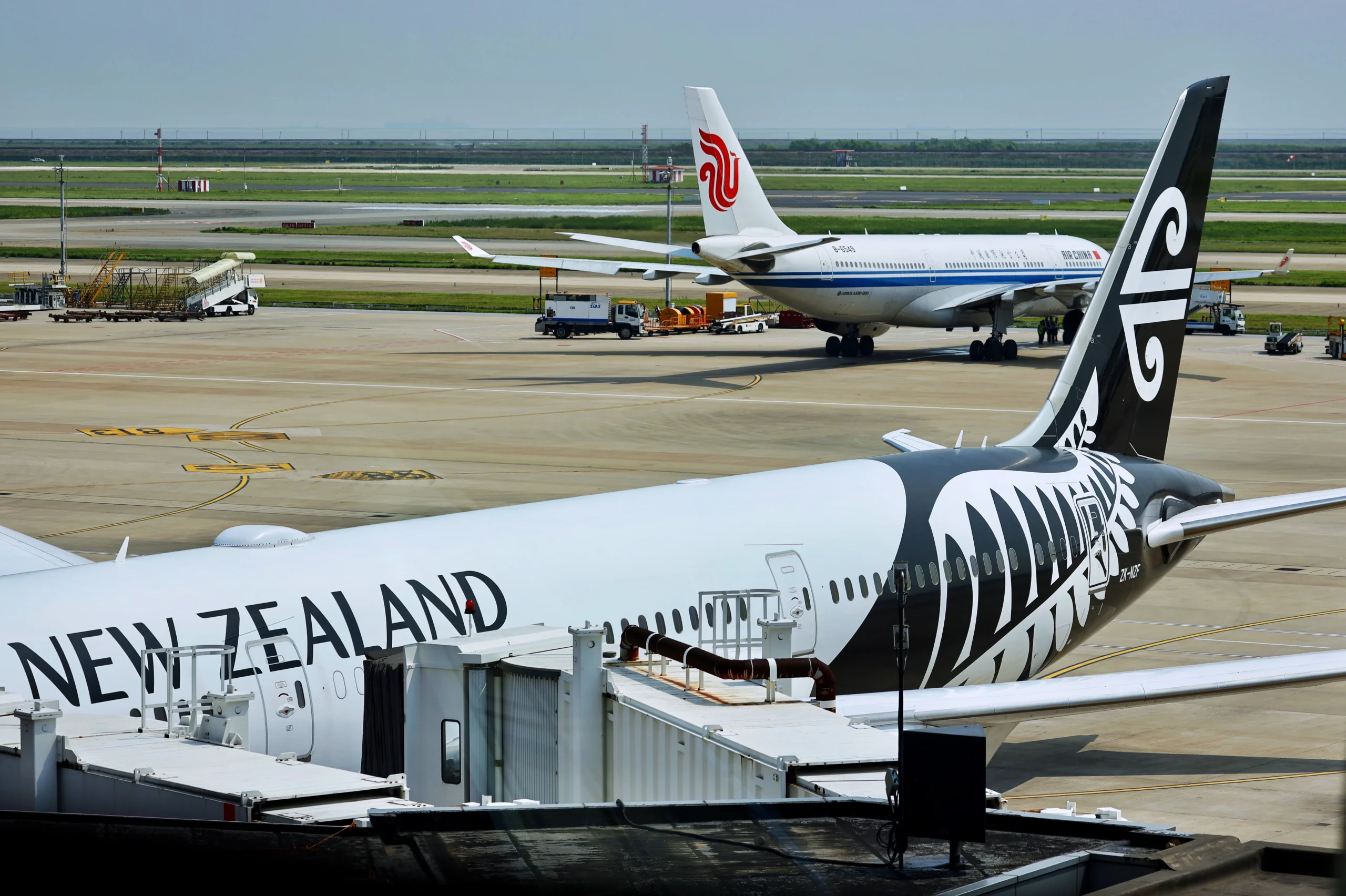
Air New Zealand is ramping up its Shanghai–Auckland service for the Chinese New Year travel surge, adding more than 7,000 seats and three extra weekly return flights between 23 January and 20 February 2027. The expanded schedule brings the route to ten weekly frequencies, a deliberate response to one of the busiest travel windows for Chinese visitors to New Zealand.
The carrier's chief commercial officer, Scott Wilkinson, said the airline is being strategic about where it deploys capacity. “We’re being deliberate about where we add capacity, and Shanghai at this time of year is a fantastic opportunity,” he noted. The additional services are designed to ease access for travellers eager to experience New Zealand's summer, while also giving local tourism operators and businesses a welcome boost during the peak season.
More than passenger benefits
Beyond passenger traffic, the extra flights will expand cargo hold capacity, offering New Zealand exporters a valuable channel to reach Chinese markets. Wilkinson also pointed out that the increased frequencies benefit outbound Kiwis, providing more flexibility for those visiting family in China or connecting to other destinations across Asia.
The expansion builds on Air New Zealand's existing partnership with Air China, which together operate up to 24 weekly services between New Zealand and China during peak periods. Through this alliance, travellers can access more than 30 Chinese cities via Beijing and Shanghai, ensuring robust connectivity for both leisure and business itineraries.
This capacity injection comes as airlines across the Asia-Pacific region position for the Lunar New Year holiday, a period that consistently drives strong demand on trans-Pacific and intra-Asia routes. For travel agents and tour operators, the added seats mean more inventory to sell during a high-yield window, particularly for packages combining New Zealand's summer attractions with family visits in China.
The move also underscores the ongoing recovery of China–New Zealand air links, which have been gradually rebuilding since border restrictions were lifted. With ten weekly flights on the Shanghai–Auckland sector, Air New Zealand is signalling confidence in sustained demand, even as other carriers adjust their China networks.
For the wider travel industry, the announcement highlights the importance of seasonal capacity planning. As Finnair expands its Tokyo network and other airlines fine-tune Asia-Pacific schedules, the ability to flex capacity around cultural peak periods is becoming a competitive differentiator.
Air New Zealand's decision also aligns with broader efforts to stimulate inbound tourism. New Zealand's tourism board has been courting Chinese visitors, and the added seats are expected to support that push. Meanwhile, the cargo element offers a tangible benefit for exporters of high-value goods such as dairy, meat, and produce, which rely on reliable airfreight connections to Asian markets.
Wilkinson's comments reflect a broader industry trend of using data-driven capacity allocation. “We’re being deliberate about where we add capacity,” he reiterated, a stance that resonates with other carriers seeking to optimise yields in a competitive environment. The airline's focus on Shanghai, a key gateway, mirrors similar moves by rivals to capture the lucrative Lunar New Year traffic.
For travel professionals, the expanded schedule provides a clear opportunity to market New Zealand as a summer escape during the Chinese holiday period. With more seats available, agents can offer clients greater choice in departure dates and cabin classes, potentially boosting average transaction values.
As the travel industry continues to navigate post-pandemic recovery, such targeted capacity increases are a sign of cautious optimism. Air New Zealand's investment in the Shanghai route is a concrete example of how carriers are aligning their networks with demand patterns, benefiting both passengers and the broader tourism ecosystem.