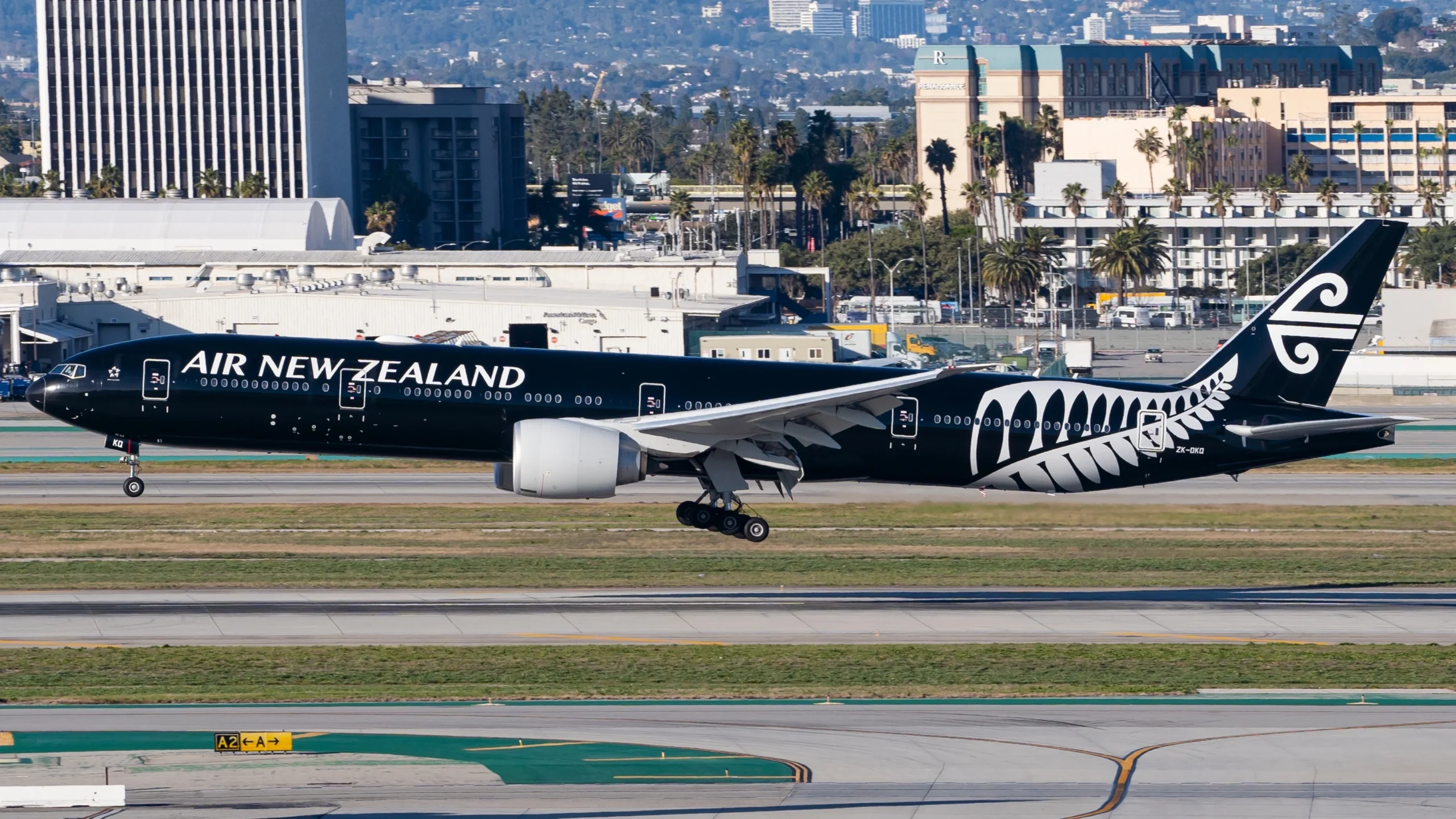
Air New Zealand has reported a pre-tax loss of NZ$336 million for the 2026 financial year, a sharp reversal from the NZ$164 million earnings before taxation recorded in 2025. The carrier attributed the downturn to a combination of elevated fuel prices, persistent engine availability issues, and rising aviation system costs, according to its annual results released today.
Total revenue increased 3.9% to NZ$7 billion, with passenger revenue up 4.8% to NZ$6.1 billion. However, operating cash flow fell to NZ$819 million from NZ$940 million in the prior year. The airline said the Middle East conflict added NZ$328 million to fuel costs, which after fare adjustments and capacity reductions reduced the pre-tax result by NZ$135 million.
Engine woes and system costs weigh heavily
Ongoing problems with Rolls-Royce Trent 1000 and Pratt & Whitney PW1100 engines cost the airline an estimated NZ$190 million, reflecting lost capacity and additional maintenance expenses. Aviation system charges also surged, with New Zealand's fees rising at more than twice the rate of inflation since 2019.
Chair Dame Therese Walsh highlighted the external pressures facing the airline, while CEO Nikhil Ravishankar pointed to operational improvements, including on-time performance reaching 84% in the second half of the year. The carrier has retrofitted nine of its Boeing 787 aircraft, with the remainder scheduled for completion by November.
Despite the challenging environment, Air New Zealand remains focused on its Te Pae Hou – Our Future strategy, aimed at sustainable growth and improved financial resilience. However, due to ongoing uncertainties, the airline has not provided earnings guidance for 2027.
The results come as the airline continues to invest in its fleet and customer experience. Earlier this year, it announced plans to retrofit its Boeing 777-300ER fleet with new Business Premier and Economy cabins, a move expected to enhance long-haul competitiveness. The carrier has also been working on new rebooking technology to reduce delays and cancellations, and has deepened interline ties with Air Chathams for regional routes.
Industry observers note that Air New Zealand's experience mirrors broader challenges facing the Asia-Pacific aviation sector, where geopolitical tensions and supply chain constraints continue to pressure margins. The airline's ability to manage fuel price volatility and engine maintenance will be critical as it navigates the coming year.
Ravishankar emphasized that the airline is taking a disciplined approach to capacity and cost management, while continuing to invest in areas that drive customer loyalty and operational efficiency. He also noted that the retrofitted 787s have been well received by passengers, contributing to improved satisfaction scores.
Looking ahead, Air New Zealand faces a delicate balancing act: maintaining service quality and network growth while restoring profitability. With no guidance for 2027, the market will be watching closely for signs of stabilization in fuel prices and engine availability.