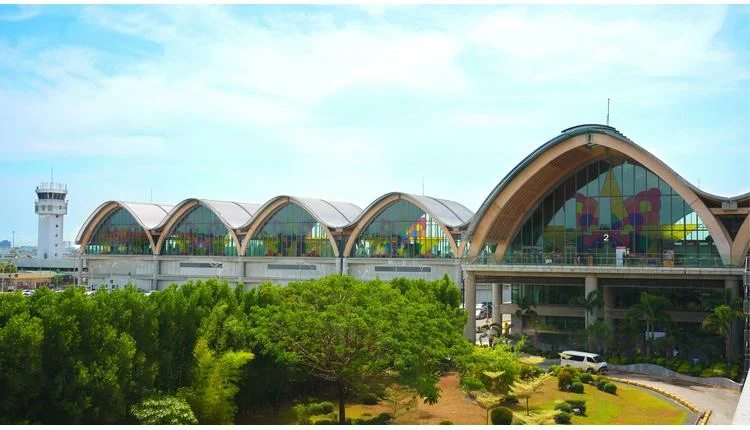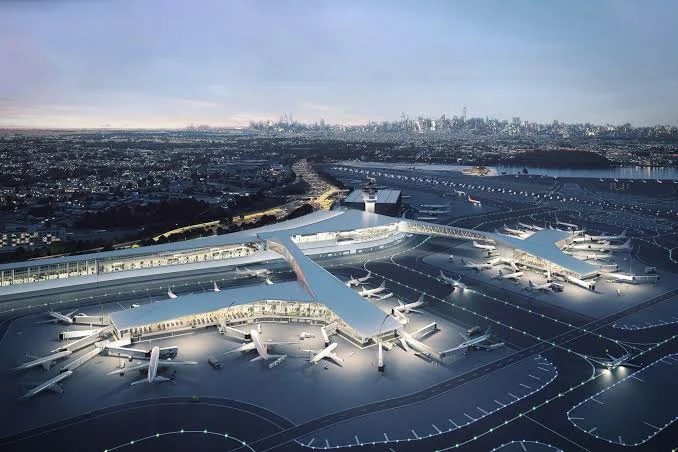
For decades, airports were engineered as high-efficiency transit machines, prioritising passenger throughput over human comfort. But a quiet revolution is underway, driven by years of traveller feedback and a growing body of research on environmental psychology. Leading architecture firms, including HOK, Gensler, and Skidmore, Owings & Merrill (SOM), are now reimagining terminals as destinations in their own right, where design reduces stress and enhances the journey.
From signage to sightlines
The most visible shift is in wayfinding. Instead of relying on dense text signage, modern terminals use architecture to guide passengers naturally. Curved pathways, sloped ceilings, and strategic lighting create a visual flow that pulls travellers from check-in to gate. Varied floor textures distinguish transit corridors from lounge areas, while open sightlines let passengers see their next destination, reducing anxiety and the need for constant orientation.
This approach is evident in projects like the recent overhaul at Washington Dulles International Airport, where the $20 billion expansion aims to transform the terminal into a global gateway with intuitive passenger flows. Similarly, Adelaide Airport has partnered with Amadeus to deploy self-service and cloud-based check-in, reducing friction before passengers even reach the terminal.
Biophilic design takes root
Another major trend is biophilic design, which integrates natural elements to lower blood pressure and combat travel fatigue. Kempegowda International Airport Terminal 2 in Bengaluru features expansive forest belts and living plant walls, creating a calming, garden-like atmosphere. Portland International Airport (PDX) uses locally sourced timber roofs and expansive skylights, replacing cold concrete and harsh fluorescent lighting with warm, organic materials and abundant natural daylight.
These design choices are not merely aesthetic; they respond to decades of passenger complaints about stress, disorientation, and sensory overload. By prioritising human well-being, airports can improve dwell time, boost retail revenue, and enhance overall satisfaction.
Implications for the travel industry
For airlines, hoteliers, and ground handlers, these changes mean smoother operations and happier passengers. Reduced stress translates to better behaviour at security and boarding, while intuitive layouts cut down on missed flights and late arrivals. For airport operators, the investment in design is a competitive differentiator, especially as hubs vie for connecting traffic and premium travellers.
The trend also aligns with broader industry moves toward personalisation and technology. As seen with Amadeus's cloud check-in at Adelaide, digital tools complement physical design to create a seamless journey. Meanwhile, the rise of leisure travel spending in Europe and elsewhere underscores the need for terminals that feel less like processing plants and more like welcoming gateways.
Architects are also drawing on lessons from hospitality and retail, blurring the line between airport and upscale mall. Lounges are becoming more like hotel lobbies, with flexible seating, local cuisine, and wellness amenities. This convergence is part of a larger trend where airports, hotels, and even cruise terminals share design principles aimed at creating memorable experiences.
As the industry recovers and grows, expect more terminals to embrace these human-centred principles. The days of the sterile transit machine are numbered, replaced by spaces that acknowledge the traveller as a person, not just a passenger.