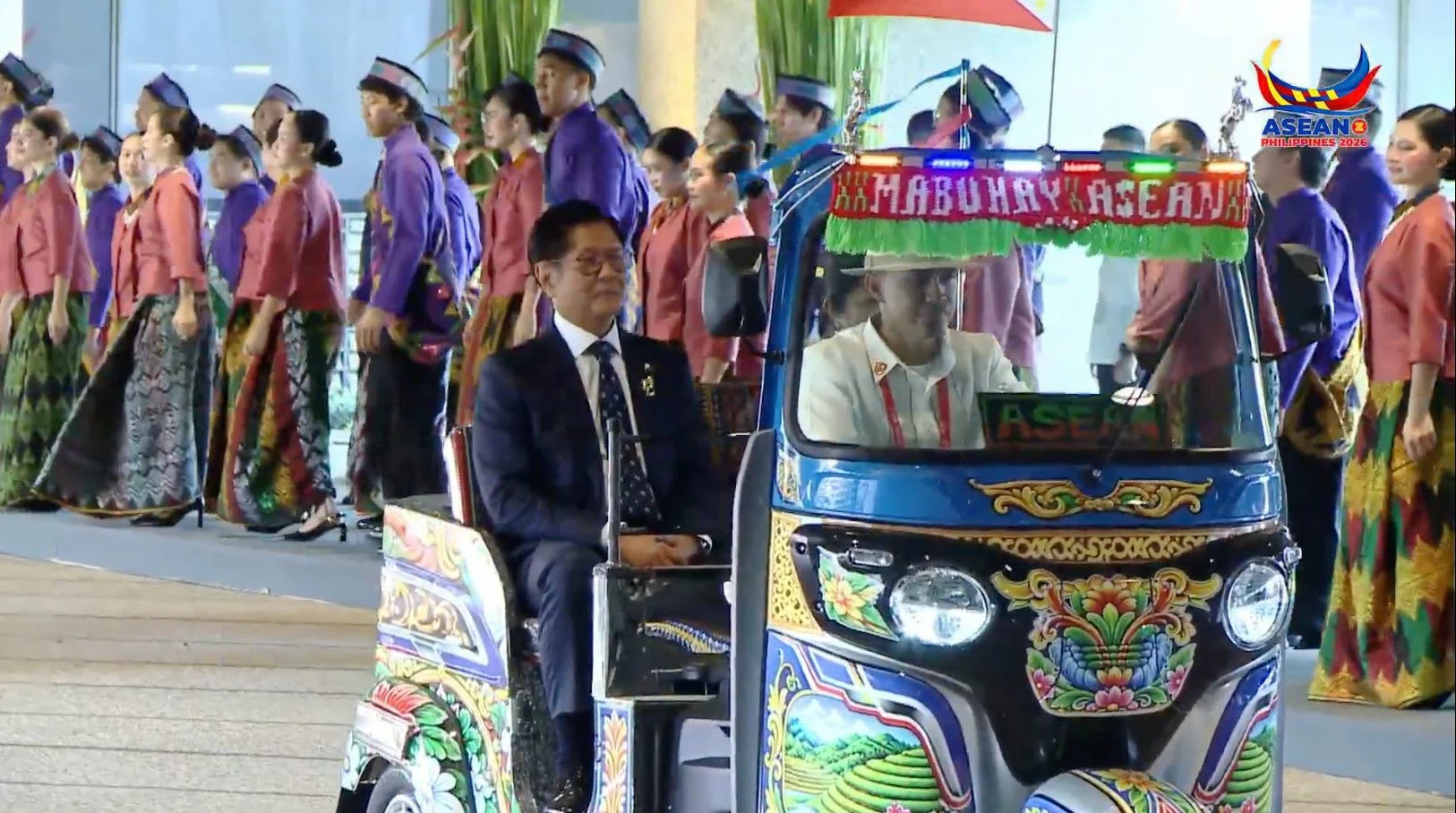
The 49th ASEAN Summit in Metro Manila, which drew over 20 heads of state and more than 10,000 delegates, was more than a diplomatic milestone. For the region's MICE sector, it served as a live case study in how a mega-event can sharpen a destination's competitive edge. Event planners and tourism boards across Southeast Asia can extract five concrete strategies from Manila's execution.
Press rooms as cultural showcases
Manila turned the International Media Centre at the World Trade Centre into an experiential hub rather than a sterile workspace. The Department of Tourism (DOT) set up interactive booths featuring regional coffee, cacao, and coconut products, alongside traditional hilot wellness treatments. Michelin-recognised chefs curated menus that celebrated local flavours, transforming press briefings into cultural touchpoints. This approach effectively pitched bleisure extensions directly to international journalists, a tactic that can be replicated by other destinations.
Integrating local enterprises
Mega-summits often channel revenue to multinational hoteliers and large contractors, leaving local businesses on the sidelines. Manila countered this by launching a Department of Trade and Industry-backed MSME Hub, allowing local farmers and artisans to pitch directly to foreign buyers. Co-locating official tracks with the ASEAN Creative Industries Expo ensured grassroots entrepreneurs captured tangible value from high-level foot traffic. This model offers a template for inclusive economic impact.
Standardising hospitality before arrival
Physical infrastructure cannot compensate for uneven service. Recognising this, the DOT enrolled ushers, liaison officers, and airport staff in a month-long curriculum rooted in the Filipino Brand of Service Excellence. The training covered diplomatic protocol and service recovery across every touchpoint. This pre-event certification provides a clear blueprint for regional neighbours bidding on major international conventions.
Heritage venues and civic legacy
Pairing heritage venue restoration with multi-hub dispersal builds lasting civic legacy. Manila utilised the newly restored Philippine International Convention Centre (PICC) alongside landmarks such as the Coconut Palace, demonstrating that revitalising existing icons prevents single-use white elephants. Staging the earlier 48th ASEAN Summit in Cebu and spreading over 200 preparatory meetings across secondary hubs distributed infrastructure upgrades and tourism receipts beyond the capital. This strategy aligns with the growing demand for luxury travel experiences in Asia-Pacific.
Mobility and security balance
Finally, planners must balance stringent security with urban mobility. Hosting global leaders from the US, China, and Brazil required deploying over 19,000 security personnel. Targeted public holidays and complimentary shuttles prevented gridlock in a dense metropolis, but relying on declared non-working days carries an economic trade-off. Destinations should plan for such trade-offs in advance.
Manila's execution offers a practical playbook for the region. As Manila's arrivals double, the city's approach demonstrates how MICE events can drive long-term commercial and reputational returns. For planners across Southeast Asia, these five strategies are worth adopting.