Across Asia, the meetings, incentives, conferences and exhibitions (MICE) sector is recalibrating its operations as global ESG mandates tighten. With resource-intensive events under growing scrutiny from regulators, corporate clients and investors, regional operators are moving beyond token gestures to embed sustainability into venue design, supply chains and event delivery.
Singapore has emerged as a benchmark. At the Singapore MICE Forum on 30 July, the Singapore Tourism Board (STB) and the Singapore Association of Convention & Exhibition Organisers & Suppliers (SACEOS) unveiled an expanded Sustainable Tourism Roadmap — Roadmap 2.0. Unlike the original, which focused primarily on environmental goals, the new framework integrates community and economic value, reflecting a broader definition of sustainability. All six major purpose-built venues in the city-state have now secured sustainability certifications, a milestone that positions Singapore as a leader in green MICE infrastructure.
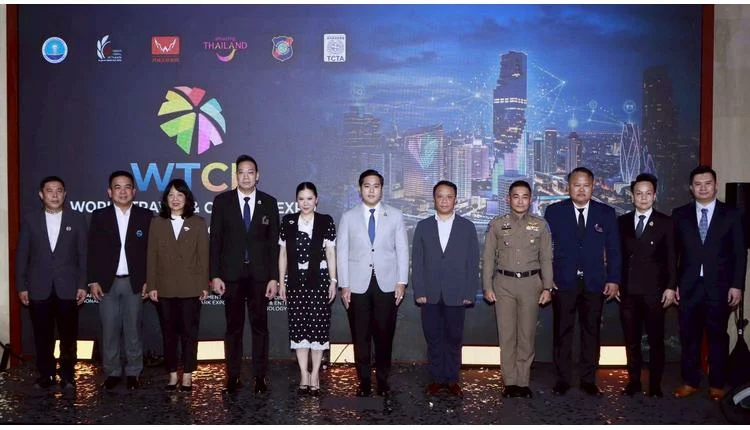
Thailand is pursuing a parallel path. The Thailand Convention and Exhibition Bureau (TCEB) has rolled out a programme that combines solar energy, waste tracking and farm-to-function initiatives, directly linking venues with local organic farmers. This approach not only cuts carbon footprints but also supports regional agriculture, creating a circular economy that benefits both hosts and attendees.
From policy to practice: what green MICE looks like on the ground
Across Taipei, Tokyo and Bangkok, venues are deploying AI-driven metrics and third-party data audits to verify emissions reductions. These tools provide the transparency that corporate planners increasingly demand when selecting destinations and suppliers. Standardised reporting is becoming a prerequisite for large international events, especially those with headquarters in Europe or North America where ESG disclosure rules are tightening.
Circular design is another pillar of the new MICE playbook. Organisers are replacing single-use plastics and traditional wood booths with modular rental systems, FSC-certified cardboard signage and digital registration apps. These measures reduce waste and lower costs over time, making sustainability a business advantage rather than a compliance burden.
The shift is not limited to venues. Airlines and hotel groups are also aligning their offerings with client sustainability goals. For instance, carriers are restructuring to manage fuel costs and emissions, while hoteliers are adopting energy-efficient systems and local sourcing. The result is a more cohesive ecosystem where every link in the event chain contributes to a lower environmental impact.
Yet challenges remain. The region's rapid growth in MICE activity — Singapore alone saw the sector hit a record $2.3 billion in 2025 — means that absolute emissions could rise even as per-event footprints shrink. Industry leaders at AMS 2026 acknowledged this tension, calling for more aggressive carbon reduction targets and greater collaboration across borders.
For travel professionals, the takeaway is clear: sustainability is no longer a differentiator but a baseline requirement. Venues that fail to certify, suppliers that cannot provide emissions data, and organisers that ignore circular design will find themselves locked out of major corporate and association business. Conversely, those that embrace the transition are well-positioned to capture a growing share of the premium MICE market.
As regulatory pressure intensifies — from the EU's Corporate Sustainability Reporting Directive to similar frameworks in Asia — the question is no longer whether the sector can become truly sustainable, but how quickly it can scale the solutions already in place. The early movers in Singapore, Thailand and beyond are proving that green MICE is not only possible but profitable.