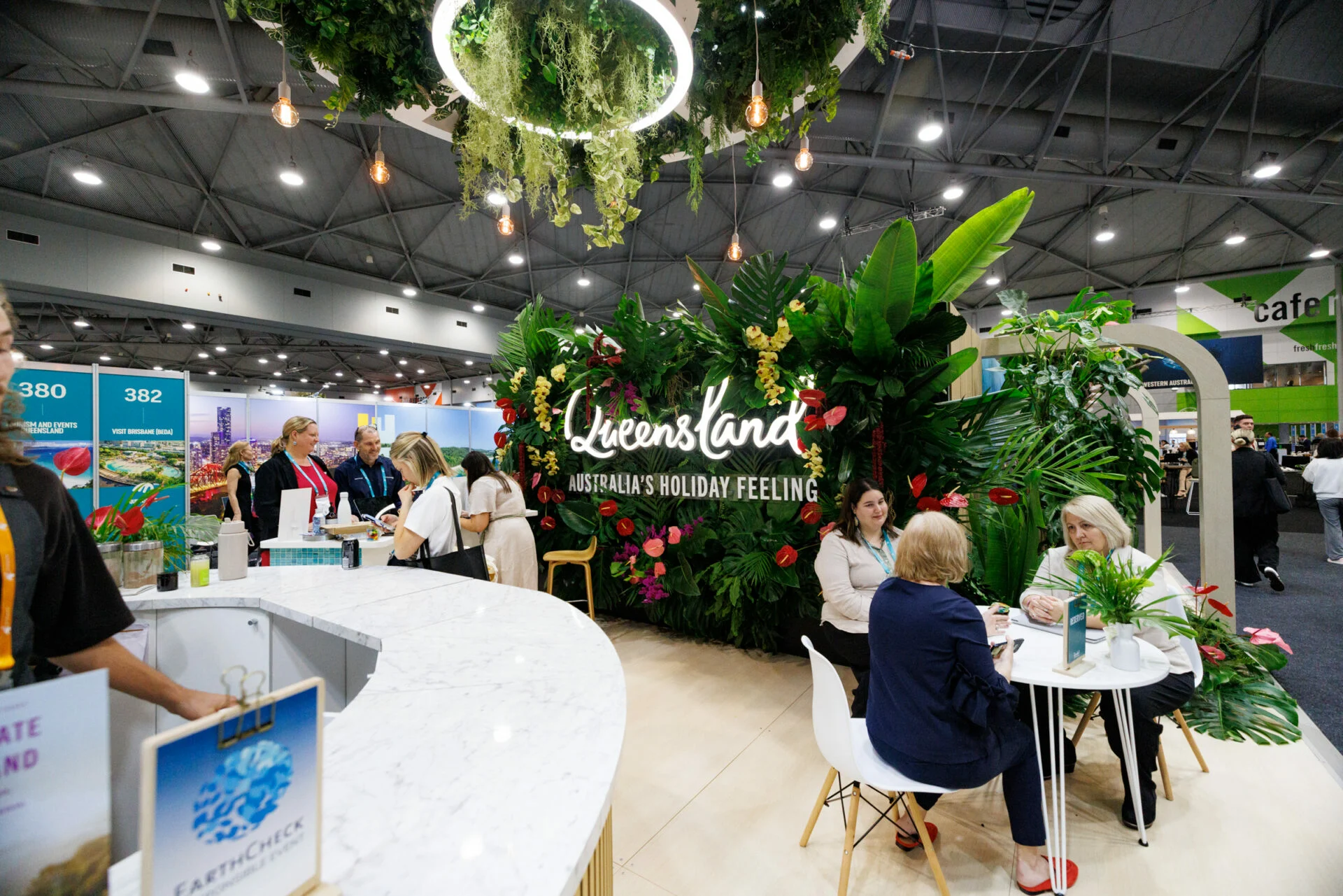
The global travel trade show circuit is booming, with record attendance and exhibitor numbers at major events. Yet as the industry's biggest marketplaces grow, a tougher question is emerging: does the investment in exhibiting actually pay off?
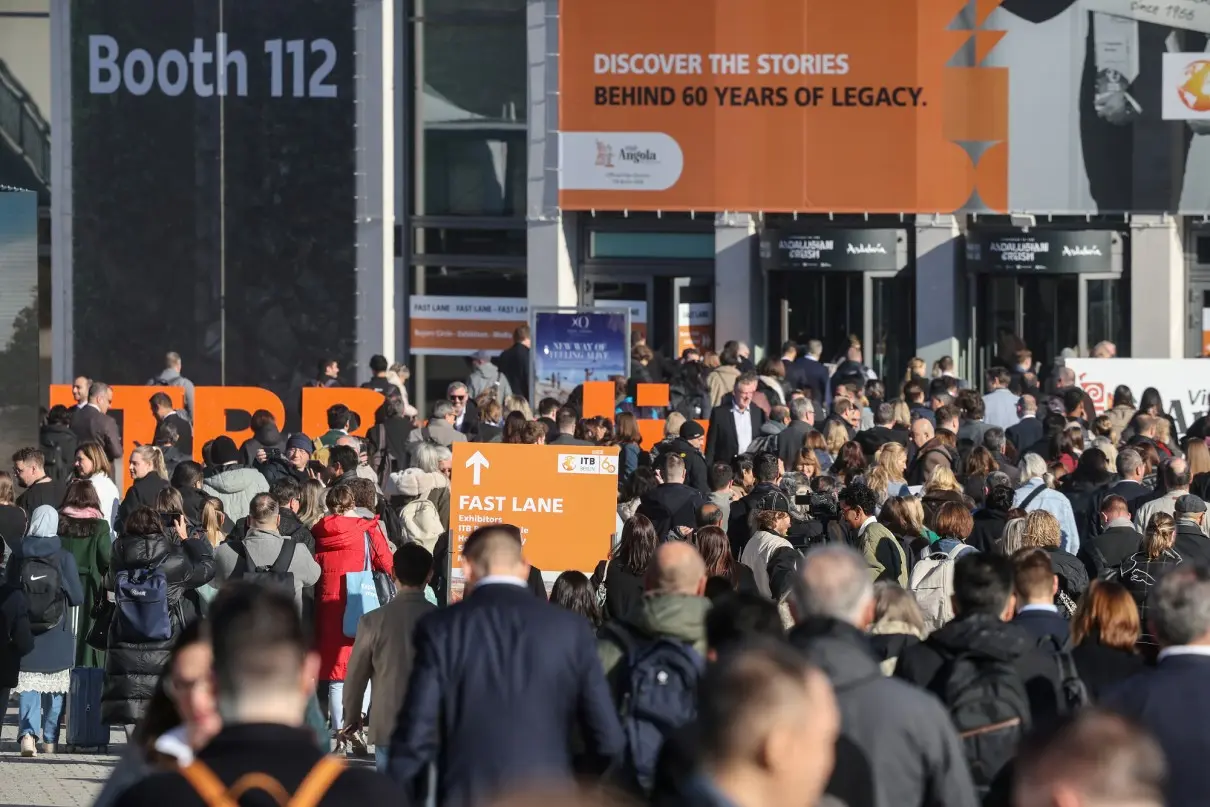
ITB Berlin, marking its 60th anniversary in March, attracted nearly 97,000 attendees and 5,601 exhibitors from 166 countries, despite flight disruptions linked to Middle East conflict. The show's evolution from nine exhibitors and 250 visitors in 1966 to its current scale underscores its enduring relevance. Similarly, FITUR in Madrid has solidified its position as a key gathering for Europe and Latin America, while Arabian Travel Market in Dubai drew around 55,000 professionals and a record 2,800 exhibitors in 2025, according to the Dubai Government Media Office.
The resilience of these events defies earlier predictions that digital transformation would render physical exhibitions obsolete. Video meetings, online contracting, and digital distribution have become routine, yet the shows have not only survived—they have become more transactional. This shift raises a critical question for tourism boards, hotel groups, airlines, DMCs, and travel-tech vendors: is the cost of being there justified by the business generated?
From footfall to qualified leads
Organisers still tout footfall, but exhibitors increasingly focus on qualified buyers and scheduled appointments. WTM London's 2025 edition attracted 46,500 attendees, including 5,500 qualified buyers, with pre-scheduled meetings up 30% to over 40,000. Organisers estimated those meetings would generate more than £2.2 billion in business deals—a figure that is an estimate, not independently audited sales, a distinction crucial when assessing ROI.
Specialist events are doubling down on this model. ILTM Cannes, focused on luxury travel, reported over 100,000 scheduled meetings in 2025, connecting 2,500 buyers from 83 countries with 2,350 brands. IMEX Frankfurt, for the meetings and events sector, facilitated over 67,000 pre-scheduled meetings across three days, with one-to-one meetings up 10% year-on-year.
For a hotel group or DMC, such concentration of buyers is hard to replicate through individual sales trips. A productive three-day show can put dozens of existing and prospective partners within walking distance—but only if the right people are in the diary.
Beyond the signed contract
Not all value ends in a signed contract. Research in the Journal of Hospitality and Tourism Management found that exhibitors' networking capabilities influence both exploratory and exploitative learning, affecting how effectively companies gather information at trade shows. This intelligence can be commercially significant: a tour operator may spot shifting demand before it appears in booking data, a hotel can hear where pricing is meeting resistance, and tech suppliers get immediate feedback on whether an innovation solves a real problem.
Long-term relationships also matter. Studies in Industrial Marketing Management show that relationship learning at trade shows correlates with subsequent relationship performance, and that information exchange builds trust while social interaction strengthens satisfaction and commitment.
This explains why Zoom hasn't killed the exhibition. Digital meetings are efficient when both parties know what they want to discuss, but trade shows excel at the unpredictable—discovering a potential partner, picking up intelligence over coffee, or turning a weak contact into a serious relationship.
Which shows matter most?
There is no universal ranking; it depends on what a company sells and where it wants to grow. ITB Berlin and WTM London remain the broadest international B2B marketplaces. FITUR is essential for Spain, Europe, and Latin America. Arabian Travel Market has gained weight alongside the Gulf's aviation and hospitality expansion. For luxury operators, ILTM Cannes can be commercially more relevant than a much larger general show.
As the industry evolves, exhibitors are becoming more selective, demanding clearer ROI metrics. The shows that thrive will be those that deliver not just footfall, but meaningful, pre-qualified business connections. For travel professionals, the key is to choose the right events and prepare meticulously—because the cost of being there is only justified if the meetings are worth it.
For those planning their 2026 calendar, consider how Saudi Arabia's surging leisure arrivals might influence participation in Arabian Travel Market, or how Malaysia's unified events strategy could shape FITUR discussions. And with adventure and nature trips now topping global preferences, exhibitors may need to rethink their pitches.