Malaysia's business events sector has the infrastructure and destination diversity to win more international meetings, incentives, conventions and exhibitions, but industry leaders argue the country must become more assertive in selling those strengths as competition intensifies across Asia-Pacific.
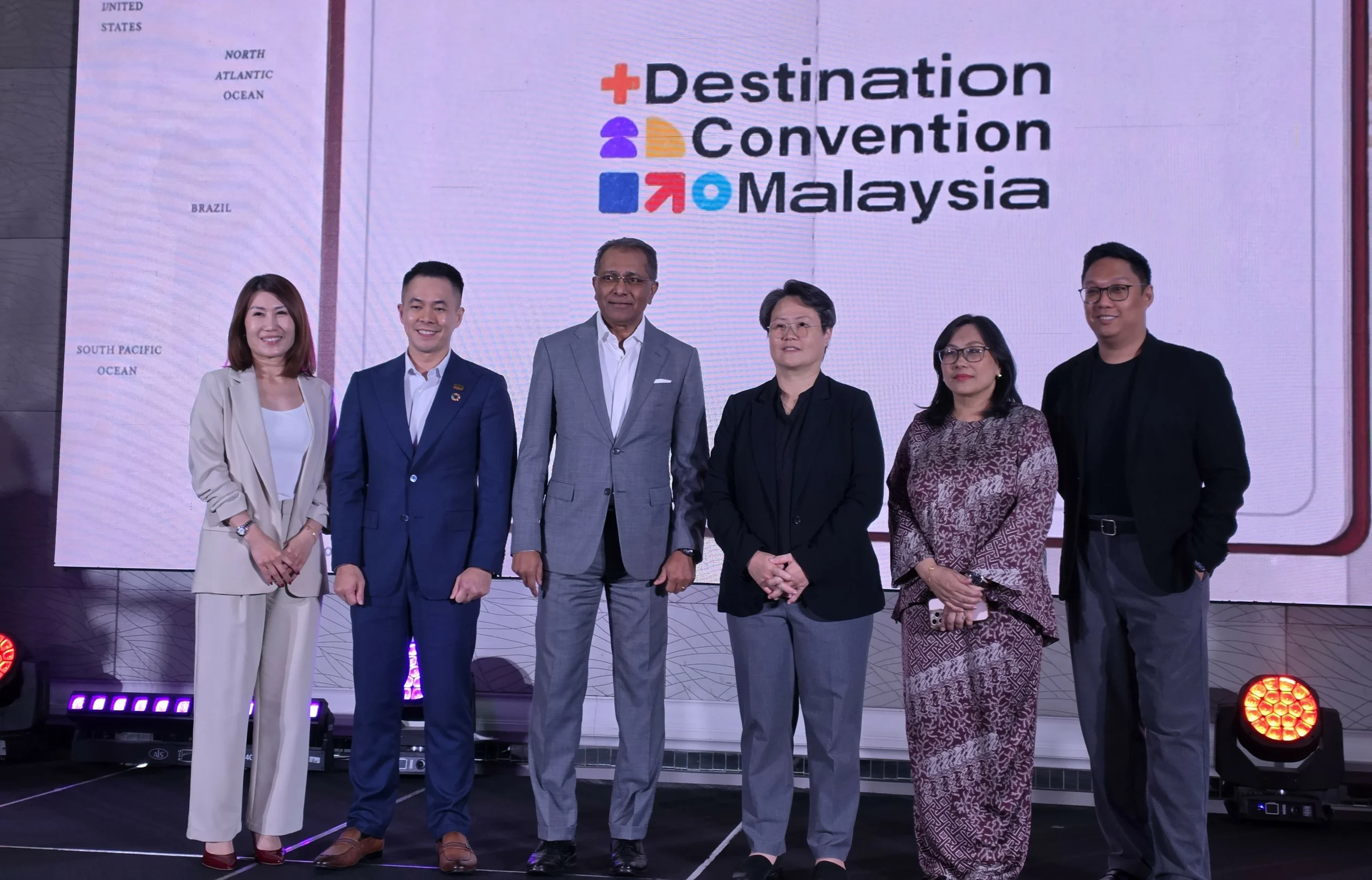
Speaking at the Destination Convention Malaysia event in Kuala Lumpur, a panel of executives from Marriott International, the Malaysia Convention & Exhibition Bureau (MyCEB), and the convention bureaus of Sarawak and Sabah identified collaboration, connectivity and stronger destination marketing as priorities if Malaysia is to capture a greater share of regional MICE business.
The panel, moderated by Audrey Raj, producer and presenter at BFM 89.9, directly addressed the competitive environment, citing Singapore, Bangkok and Bali as destinations vying for the same organisers and event budgets. Malaysia's response, the panellists argued, should not be to replicate its neighbours but to sharpen its own proposition. Affordability, connectivity, widespread use of English, cultural diversity, food and hospitality were cited as the country's advantages.
One speaker described Malaysia as a “melting pot of Asia” and a destination where organisers' requirements can be accommodated rather than forcing events into a predetermined format.
‘We don’t brag enough’
A less tangible weakness identified by the panel was Malaysia's tendency to under-communicate its achievements in hosting international events. Asked what the country's business events sector was failing to tell the world, Tan Mei Phing, CEO of MyCEB, was candid: “We definitely don't brag enough. We've hosted many, many international events, high-level events. But I've realised we are very shy.”
The argument was that Malaysia needs to communicate not only its ability to stage events but its track record of delivering them. “We don't tell the world enough. We don't market enough,” the discussion continued.
George Varughese, Market Vice President for Malaysia at Marriott International, said international hotel brands can contribute to that visibility through their distribution and customer networks, but destination promotion requires a much wider collective effort. “We've got to draw their attention more,” he said. “We've got to tell the world what Malaysia stands for, what we can offer.”
An events strategy is needed
Promotion alone, however, will not be enough. Varughese argued that successful competing destinations typically have a strategy underpinning their events ambitions, including a calendar capable of creating sustained demand and international attention. Singapore, Indonesia and Thailand were cited during the discussion, alongside destinations further afield that have built tourism and hospitality demand around major events.
“All of us need to sit together and figure out, with the government, how do we promote Malaysia and what kind of events can we have in this country?” Varughese said. Large-scale sporting, entertainment and cultural events can extend their impact beyond ticket sales, creating hotel demand while putting destinations in front of international audiences.
For Malaysia, the implication is that MICE strategy and the wider events economy should increasingly be considered together. Varughese described events as an economic driver supporting hotels, restaurants, convention businesses and employment. The recent back-to-back F1 races across Malaysia and Singapore illustrate how major events can boost travel demand.
Connectivity remains a pressure point
Air access is another issue Malaysia will need to address as it pushes international business events beyond Kuala Lumpur. The panel acknowledged that international connectivity is uneven between Malaysian destinations. Sabah benefits from direct regional links into Kota Kinabalu, while Sarawak faces a different connectivity equation. Air access nevertheless should not prevent destinations from pursuing international events, the panel argued.
Different segments of MICE respond differently to connectivity. Corporate meetings and incentives tend to be more sensitive to direct access, while association conferences and exhibitions can be less constrained by the need to connect through another airport. That has influenced Sarawak's strategy, with the destination placing greater emphasis on association business and exhibitions.
Large incentive movements can also be adapted around seat availability. Air arrivals can be staggered by differentiating arrival times. Panellists described groups from markets including China and Korea arriving in smaller batches over several days or weeks when moving thousands of delegates at once is impractical. The constraint can even create longer stays when handled creatively, the panel suggested.
As Malaysia looks to grow its share of the regional MICE market, the message from industry leaders is clear: the country must market its strengths more aggressively, develop a strategic events calendar, and address connectivity gaps—while leveraging its unique position as a multicultural, affordable and accessible destination. The recent trend of Malaysians exploring lesser-known getaways also highlights the potential for domestic events to complement international business.