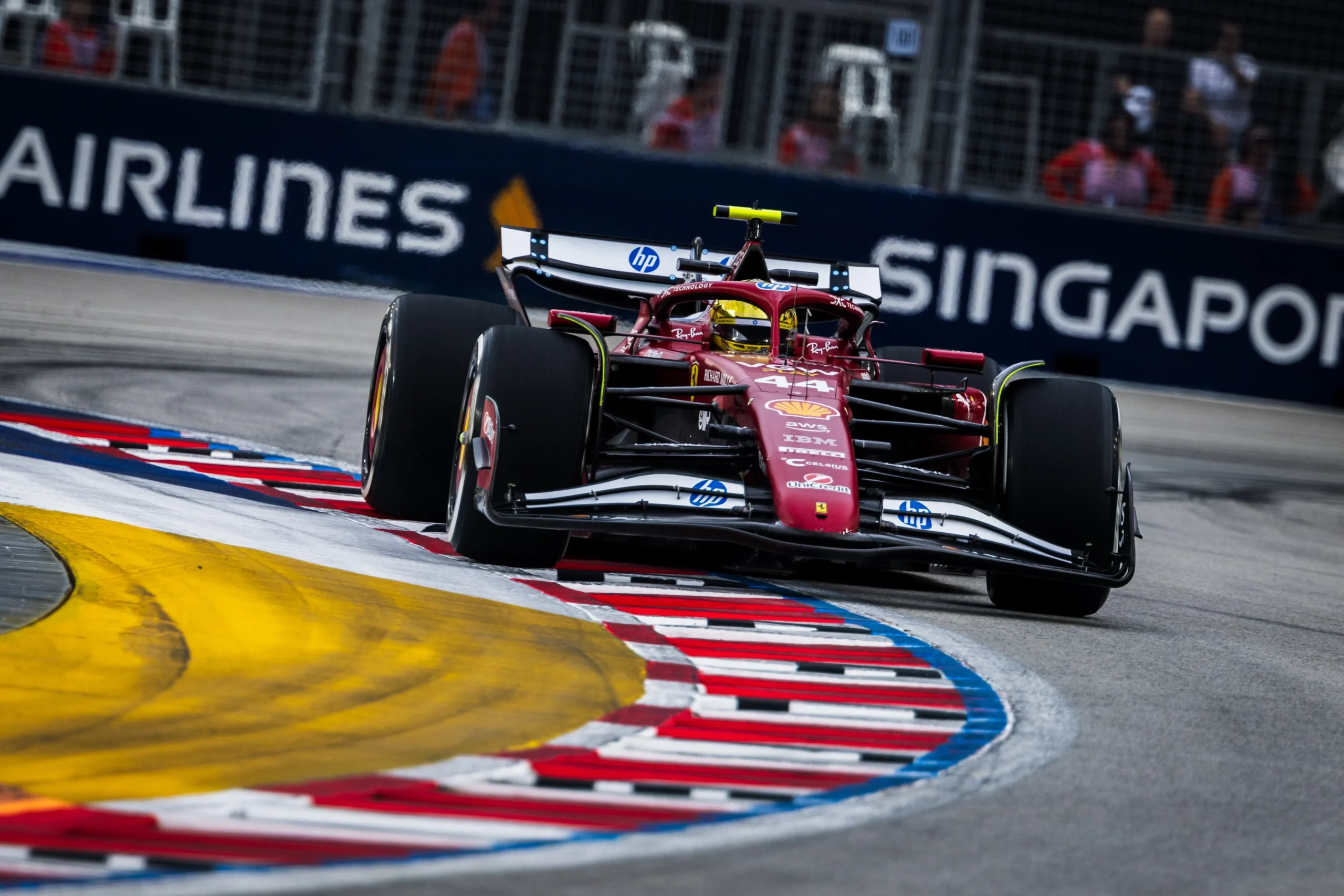
Formula 1's return to Southeast Asia is reshaping travel demand across the region, with back-to-back race weekends in Malaysia and Singapore driving significant increases in air arrivals and longer stays. According to fresh data from Amadeus Travel Intelligence, the consecutive events—scheduled for 2-4 October in Malaysia and 9-11 October in Singapore—are attracting not only regional fans but also a growing number of long-haul travelers from the UK, US, and New Zealand.
The most striking figure comes from the Kuala Lumpur–Singapore corridor, where air arrivals surged 74% year-on-year between 5 and 11 October. This spike underscores the appeal of combining two race weekends into a single Southeast Asian journey, a trend that Amadeus executives say is becoming a key driver of travel planning.
Long-haul markets lead growth
Beyond regional traffic, the data reveals a notable rise in long-haul demand. The UK emerged as the fastest-growing source market for Malaysia, with a 49% increase in air arrivals. Singapore saw even sharper gains: arrivals from the US climbed 88%, from the UK 73%, and from New Zealand 54%. These figures suggest that F1 fans are treating the races as anchor events for extended holidays, rather than quick stopovers.
This pattern aligns with broader trends in event-led travel, which is reshaping hotel valuations and destination marketing across Southeast Asia, as noted in recent industry analysis. For travel professionals, the implication is clear: major sporting events can drive not just short-term bookings but also multi-city itineraries and longer average lengths of stay.
Traveler demographics shift
The profile of race-week travelers is also changing. Solo arrivals in Kuala Lumpur increased 37% year-on-year, while Singapore saw a 44% rise. Couples' arrivals grew 11% in Malaysia and 24% in Singapore. These segments are typically more flexible with their itineraries and more willing to extend stays, making them attractive targets for hotels, tour operators, and destination marketers.
Medium-length stays in Singapore—typically four to seven nights—were up 49% year-on-year, indicating that fans are not just flying in for the race but are building fuller travel experiences around it. This trend offers opportunities for hospitality partners to create packages that bundle race tickets with accommodation, dining, and local experiences, similar to initiatives like the craft beer tastings paired with the F1 weekend at Four Points Singapore.
“Back-to-back races in Malaysia and Singapore could offer F1 fans an opportunity to combine two race weekends into one Southeast Asian journey,” said Bing Han Kee, Regional Vice President of Travel Intelligence at Amadeus.
For airlines, the data points to potential route and capacity adjustments. Malaysia Aviation Group, for instance, has been expanding its network with new routes to Busan and Kunming, and events like these could further influence scheduling decisions. Similarly, Emirates' ongoing cabin crew recruitment in Singapore reflects the city-state's role as a major aviation hub, which is amplified by such high-profile events.
Destination marketing organizations are also taking note. Malaysia has been actively uniting hospitality and convention bureaus to win global events, and the F1 weekend is a prime example of how sports tourism can boost the broader travel economy. The challenge now is to convert this short-term spike into sustained growth by encouraging repeat visits and year-round event programming.
As the travel industry continues to recover and evolve, the F1 effect in Malaysia and Singapore serves as a case study in how major sporting events can drive measurable travel demand. For travel professionals, the key takeaway is to design flexible, multi-city offerings that cater to the growing segment of event-driven travelers who are willing to stay longer and explore more.