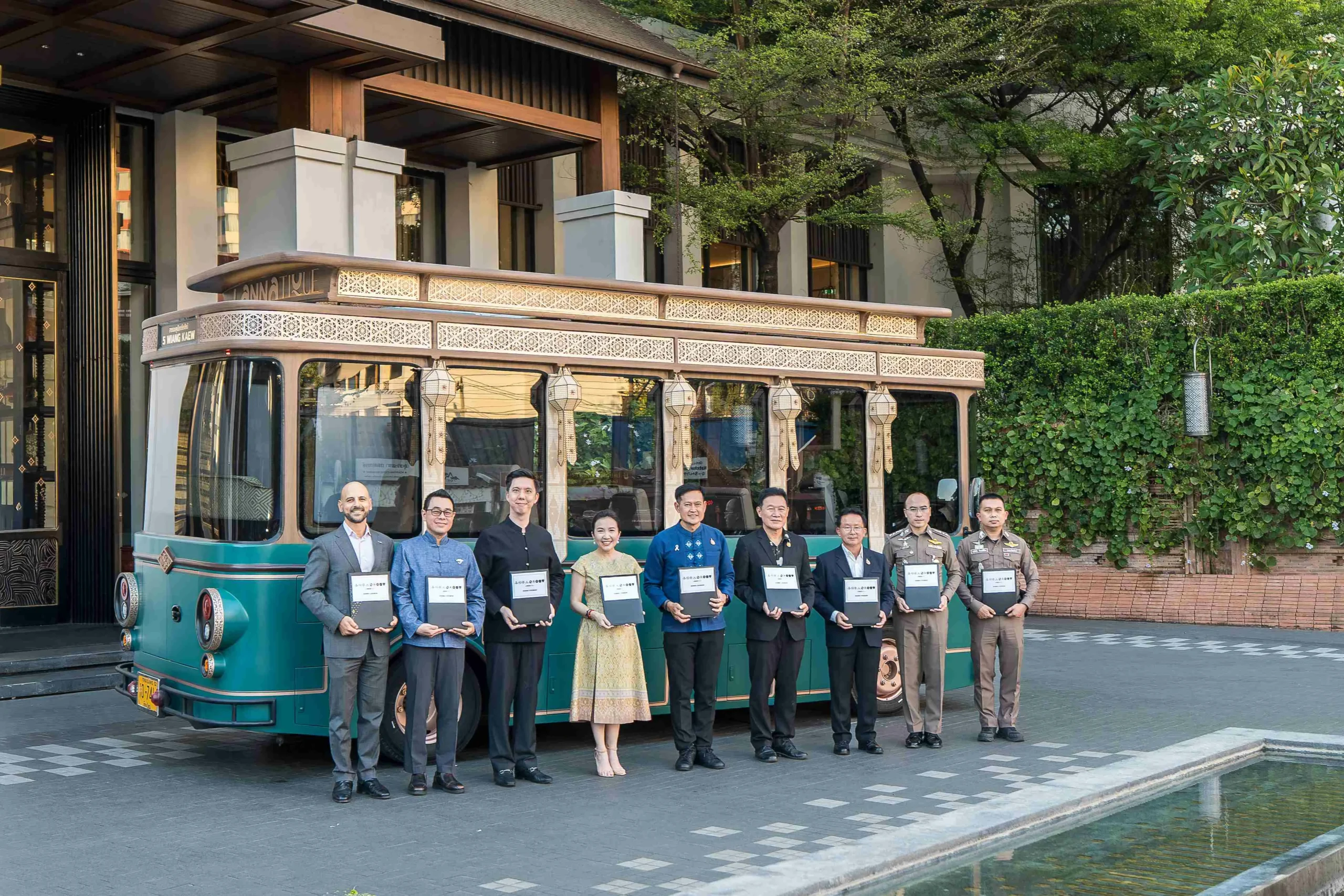
Asset World Corp Public Company Limited (AWC) has unveiled Chiang Mai's first electric tram service, a clean-energy initiative designed to enhance the city's tourism infrastructure and support sustainable urban development. The service, branded as the Chiang Mai Tram by Lannatique, began operations on 22 October 2026, linking major tourist attractions, hotels, and local communities through a network of 15 stations.
The project is a collaborative effort between AWC, the Governor of Chiang Mai, the Mayor of Chiang Mai City Municipality, and local community groups. It aims to position Chiang Mai as a leading international destination for arts and culture while preserving its unique Lanna heritage. The trams are designed to reflect the region's cultural identity, offering visitors an immersive way to explore the city's history and art.
A strategic move for sustainable tourism
Wallapa Traisorat, CEO of AWC, emphasized the company's commitment to sustainable growth and cultural preservation. "AWC is honoured to be part of Chiang Mai’s continued development, collaborating with government agencies, partners, and local communities," she said. The initiative is part of AWC's broader Sustainable and Cultural Journey approach, which focuses on urban development, tourism promotion, and creating economic opportunities for local communities.
The tram service is expected to drive economic growth by improving accessibility to key attractions, reducing traffic congestion, and encouraging longer stays. It also supports the city's goal of becoming a model for sustainable tourism in Thailand, aligning with national efforts to promote eco-friendly travel options.
For travel professionals, the new service offers a practical solution for ground transportation in Chiang Mai, a city known for its cultural landmarks but often challenged by traffic. Hotels and tour operators can now offer guests a convenient, eco-conscious way to explore the city, potentially enhancing the overall visitor experience.
The project also creates a "living museum" experience, showcasing Chiang Mai's charm and cultural identity. This aligns with broader trends in destination management, where authentic cultural experiences are increasingly valued by travelers. Similar initiatives, such as heritage-focused tours, highlight the growing demand for culturally immersive travel.
AWC's investment in Chiang Mai's transit infrastructure is a significant step for the region's tourism ecosystem. By connecting key points of interest, the tram service is poised to become a cornerstone of the city's sustainable tourism strategy, offering long-term benefits to both visitors and residents.
As Chiang Mai continues to evolve as a global destination, the introduction of this electric tram service underscores the importance of public-private partnerships in driving tourism innovation. The initiative is expected to serve as a model for other Thai cities looking to balance growth with cultural preservation.