While Thailand, Malaysia, and Vietnam post record arrival numbers, the Philippines continues to lag in the race to reclaim its pre-pandemic tourism footing. Industry analysts attribute the shortfall to a combination of political instability, diplomatic friction, and persistent operational inefficiencies that make travel to the archipelago more cumbersome than to its neighbors.
Political friction and diplomatic strains
The escalating rift between the Marcos and Duterte political camps, widely covered in international media, has cast a shadow over the country's stability narrative. Although such domestic disputes rarely affect tourists directly, they contribute to a perception of unpredictability that cautious travelers factor into their decisions.
Beyond politics, the ongoing tensions in the West Philippine Sea have led to travel advisories from key source markets like South Korea and Japan, warning of localized crime and geopolitical risk. As a result, Chinese arrivals have plummeted, with direct flight capacity between China and the Philippines languishing at just 45% of 2019 levels.
“Travelers frequently voice frustration online over feeling treated as walking ATMs by local entities,” notes one Manila-based tourism consultant. “When combined with sporadic advisories, many Asian tourists opt for less fraught destinations.”
Infrastructure and cost barriers
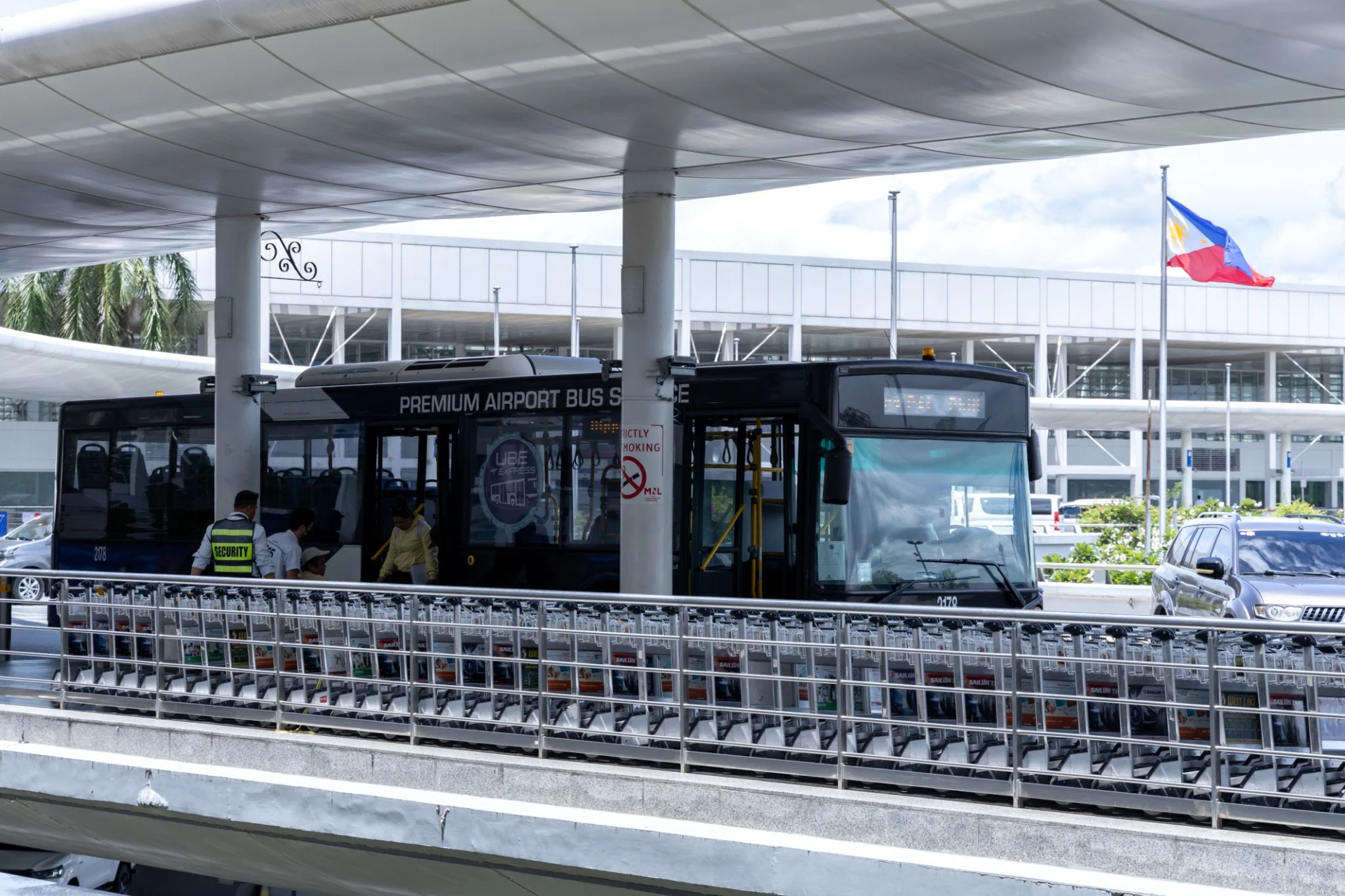
Yet, as travel analysts point out, politics is only part of the story. The more tangible deterrents are rooted in day-to-day travel realities. Manila’s Ninoy Aquino International Airport (NAIA) remains notorious for flight delays and poor terminal connectivity, while inter-island transfers often require long coach journeys and rough road trips before reaching a beach.
Cost is another factor. A week-long itinerary in the Philippines typically runs US$100 to $200 more than comparable holidays in Vietnam, Bali, or Thailand. High domestic airfares and complex logistics erode the country’s competitive edge, particularly for value-conscious leisure travelers.
For long-stay remote workers and digital nomads, the appeal is further diminished by unreliable mobile connectivity, frequent power outages, and basic service gaps.
Marketing cannot mask fundamentals
The Department of Tourism has expanded its promotional budgets to counter negative coverage, but industry observers argue that marketing alone cannot overcome foundational friction. “You can advertise paradise, but if getting there is a hassle and costs more, travelers will choose elsewhere,” says a regional aviation analyst.
Some progress is being made. The government has initiated upgrades at NAIA, and new airport projects are in the pipeline, but these are long-term solutions. Meanwhile, competitors like Thailand and Vietnam are investing heavily in airport capacity and visa facilitation, widening the gap.
For travel professionals, the message is clear: the Philippines remains a beautiful but challenging destination. Agents and tour operators should set realistic expectations with clients, while hoteliers and airlines must work to improve the end-to-end experience. As one industry veteran puts it, “The country has the product, but it needs to fix the packaging.”