The global travel industry is undergoing a costly but lasting transformation as volatile energy markets force carriers and travel providers to absorb relentless cost pressures. Following a 12 percent jump in jet fuel averages earlier this year, the market saw another sharp nine percent spike over the past week, prompting airlines to move beyond temporary fixes and adopt permanent structural changes.
Behind the headline numbers, carriers are turning to aggressive financial engineering, fleet modernisation, and algorithmic yield management to keep operations viable. The result is a recalibrated ecosystem where airfares rise, but capacity remains tightly aligned with demand.
Dynamic pricing and network surgery
Airlines have refined their dynamic pricing mechanics, relying heavily on real-time algorithmic revenue management to offset operational cost deltas. Rather than relying purely on fixed fuel surcharges, modern booking engines instantly recalibrate airfares based on immediate fuel input costs, route demand, and booking velocity. This approach allows carriers to pass through cost increases without alienating price-sensitive segments.
Alongside price adjustments, carriers are taking a surgical approach to network planning. As aviation analyst Elena Rostova puts it: "We are no longer seeing the blunt route closures of past crises. Instead, carriers are trimming flight frequencies on marginal long-haul routes to ensure passenger load factors remain at near-capacity levels across core trunks." For example, Singapore Airlines has reduced frequencies on its Singapore–Newark route while maintaining daily service on the Singapore–London sector, where corporate demand remains robust.
Hedging and fleet renewal
While unhedged carriers bear the brunt of weekly spot-market spikes, major global airlines are relying on derivative financial locks established months in advance to smooth out price shocks. Carriers with strong balance sheets, such as Delta Air Lines and Emirates, are drawing down corporate cash reserves to cushion unhedged operational shortfalls, preventing immediate cost pass-through from pricing out sensitive travel segments.
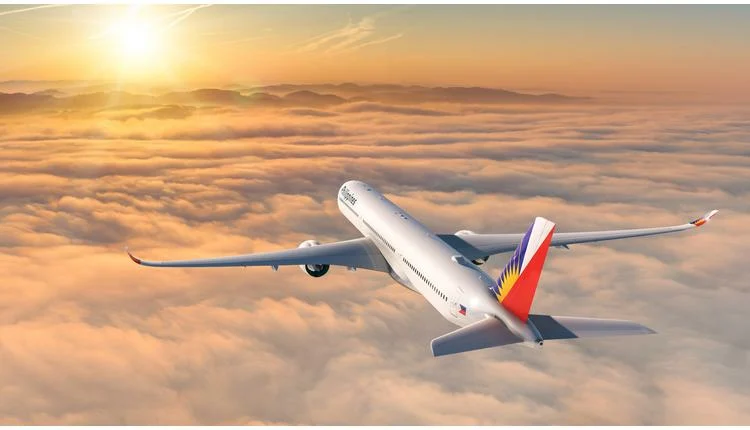
At the same time, fuel prices are serving as a catalyst for fleet restructuring. Older, inefficient four-engine aircraft types are facing accelerated phase-outs in favour of twin-engine, new-generation widebodies such as the Airbus A350 and Boeing 787 Dreamliner. Boeing's latest market outlook projects the global fleet will exceed 50,000 aircraft by 2045, but the mix will skew heavily toward fuel-efficient models. On the flight deck, carriers are deploying AI-driven flight optimisation software: these systems calculate real-time atmospheric shifts and optimal altitudes, trimming flight times and saving crucial fuel weight before pushback.
Consumer behaviour shifts
The ongoing cost pressure is altering traveler habits and airline economics alike. In mature markets like Europe and East Asia, travelers are substituting short-haul flights with high-speed domestic rail alternatives to avoid rising airfares. Budget airlines operating on thin margins face compressed profitability as rising fuel costs clash with price-sensitive leisure demand. Meanwhile, premium legacy carriers, supported by robust corporate travel contracts and premium cabin revenues, are capturing higher market share in the current high-cost environment.
This trend is particularly evident in India, where regional airfares have surged due to fuel costs and aircraft shortages, pushing travelers toward rail alternatives. Similarly, in Southeast Asia, low-cost carriers like AirAsia are re-evaluating their network strategies to maintain load factors.
To put it into perspective, the global travel industry is not shrinking; rather, it is recalibrating. For travel advisors, tour operators, and corporate travel planners, success in this environment requires agility in route planning, monitoring real-time fare movements, and leveraging multi-modal itineraries where regional transit proves more cost-effective. The industry's ability to adapt through technology and financial discipline will determine who thrives in this new era of expensive fuel.