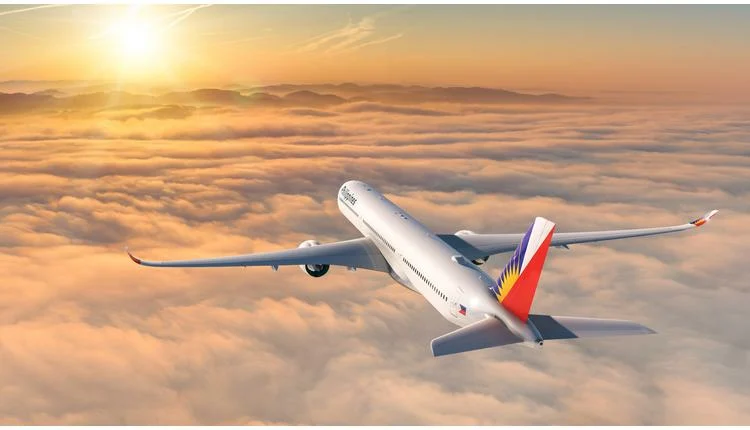
Boeing has released its 2026 Commercial Market Outlook (CMO) ahead of the Farnborough International Airshow, forecasting that the global commercial aircraft fleet will exceed 50,000 units by 2045 — an increase of nearly 80% from today's levels. The projection is underpinned by a doubling of passenger traffic over the next two decades and sustained demand for more fuel-efficient models.
The report anticipates approximately 44,000 new aircraft deliveries within the next 20 years, with roughly half of those replacing older, less efficient planes. This replacement cycle is critical for airlines aiming to meet sustainability targets and reduce carbon emissions. Brad McMullen, Boeing's senior vice president of Commercial Sales and Marketing, emphasized the role of new technology in connecting global economies. "That demand is driving the need to grow and modernise the global fleet," McMullen stated.
Regional and Market Dynamics
Emerging markets, point-to-point network expansion, and air cargo are expected to be major contributors to fleet growth. Passenger traffic is predicted to increase at an average annual rate of 4%, effectively doubling global air traffic between 2026 and 2045. Airlines have already added 5,500 new airport pairs since 2015, boosting network growth by nearly 30%. This trend is particularly evident in regions such as Southeast Asia and the Middle East, where carriers like Emirates, Qatar Airways, and Singapore Airlines continue to expand their long-haul, point-to-point services.
The demand for new aircraft is balanced across regions. Mature markets — including North America and Northeast Asia — will account for 45% of new deliveries, while transitioning markets such as China, India, and Southeast Asia will comprise 55%. This shift reflects the rapid growth of carriers like Air China, IndiGo, and VietJet Air, which are modernizing fleets to capture rising demand.
Air cargo traffic is forecast to grow at 3.7% annually, driven by the need for high-value and time-sensitive goods. Freighter operators such as FedEx Express, UPS Airlines, and DHL Aviation are expected to invest in new and converted cargo aircraft to support e-commerce and global supply chains.
Implications for Travel Industry Stakeholders
For airline executives, the outlook underscores the importance of fleet renewal programs and strategic network planning. Carriers like Delta Air Lines, Lufthansa Group, and Air France-KLM are already placing orders for next-generation narrowbodies and widebodies, including the Boeing 737 MAX and 787 Dreamliner. The report also highlights opportunities for lessors such as AerCap and Air Lease Corporation, which will play a key role in financing new deliveries.
Hoteliers and destination marketers should note that fleet growth directly supports tourism expansion. As airlines add capacity to secondary cities and emerging markets, destinations like those in the Malaysia and Southeast Asia stand to benefit from increased airlift. Similarly, cruise lines such as Royal Caribbean Group and Carnival Corporation may see new opportunities for fly-cruise itineraries as air connectivity improves.
Travel technology vendors and GDS providers — including Amadeus, Sabre, and Travelport — should prepare for higher booking volumes and more complex itineraries as the fleet expands. The rise of point-to-point routes will also drive demand for dynamic pricing and ancillary revenue tools, as seen with ATPCO's Architect Pricing Platform, now used by 32 airlines globally.
Boeing's outlook reinforces the resilience of air travel demand despite near-term disruptions such as geopolitical tensions and supply chain constraints. Airlines have adapted quickly, managing capacity and optimizing schedules to navigate industry challenges. The full 2026 Commercial Market Outlook is available on Boeing's website.
This story was selected and published by a human editor, with content adapted from original press material using AI tools. Spot an error? Report it here.