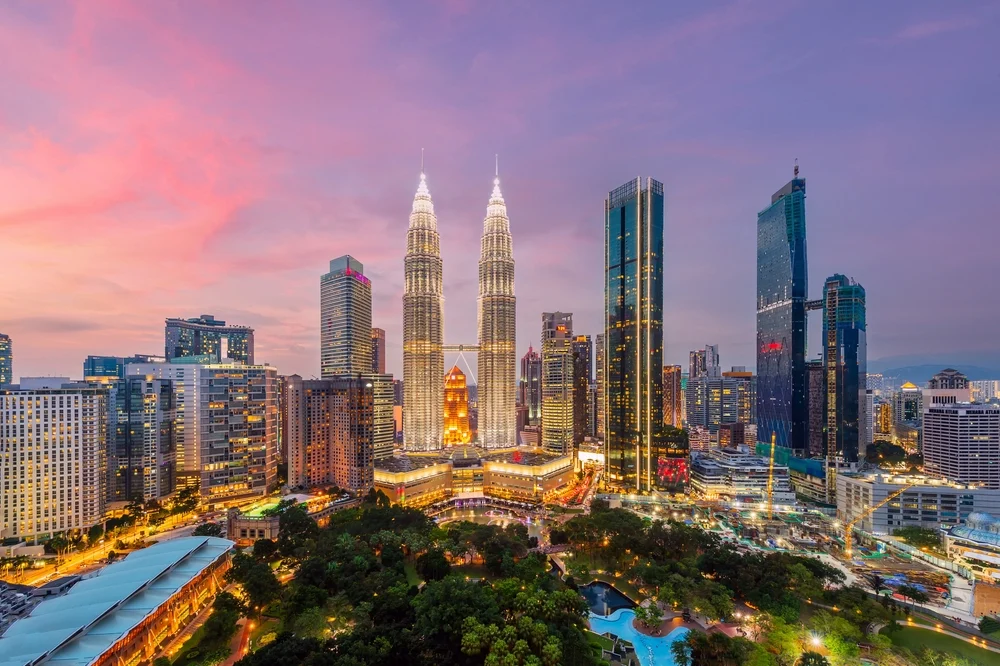
Malaysia has once again secured the leading position in the Mastercard-Crescent Rating Global Muslim Travel Index (GMTI) 2025, underscoring its dominance as the world's most Muslim-friendly destination. The ranking, released by Mastercard and CrescentRating, evaluates destinations based on accessibility, services, and cultural alignment for Muslim travelers, particularly those from the Gulf Cooperation Council (GCC).
Infrastructure and Cultural Appeal Drive GCC Inbound
The country's robust halal dining ecosystem, widespread prayer facilities, and world-class tourism infrastructure have made it a magnet for GCC tourists seeking seamless halal-friendly experiences. Malaysia's diverse regions—from the rainforests of Sarawak to the heritage streets of Penang—offer family-friendly holidays that blend cultural immersion with natural beauty.
Tourism Malaysia is leveraging this recognition to promote a series of events and packages. From 24–26 July, the Pesta Nukenan (Bario Food Festival) in the Kelabit Highlands of Sarawak will showcase indigenous cuisine and cultural performances, drawing travelers interested in authentic local experiences. Meanwhile, Penang's George Town Festival, running from 2–10 August, features visual arts, music, and theatre in the UNESCO World Heritage city, known for its multicultural heritage and gastronomy.
In conjunction with Citrawarna 2026, a national tourism campaign, over 40 hotels in the Klang Valley and selected states are offering exclusive stay promotions from mid-July to mid-August 2026. These packages include attractive room rates and unique experiences, aimed at boosting domestic and regional travel.
"Malaysia's recognition as the world's leading Muslim-friendly destination reflects our commitment to providing seamless, welcoming, and enriching travel experiences for visitors from the GCC," said Faharuddin Hatmin, Director of Tourism Malaysia Dubai.
The GMTI 2025 ranking comes as Malaysia continues to strengthen its connectivity with GCC markets. Airlines such as Malaysia Airlines and Saudia have expanded routes between Kuala Lumpur and key Gulf hubs like Dubai, Doha, and Jeddah, facilitating easier access for Muslim travelers. The country's position as a halal tourism leader also aligns with broader trends in the travel industry, where demand for faith-friendly services is growing among both leisure and MICE segments.
Tour operators and travel agents targeting the GCC market can leverage Malaysia's halal certification standards, which are among the most rigorous globally. The country's tourism board has also invested in digital tools to help travelers locate prayer rooms and halal restaurants, enhancing the overall visitor experience.
For hoteliers, the influx of GCC travelers presents opportunities to tailor offerings—from in-room prayer mats to halal-certified minibars. The exclusive promotions tied to Citrawarna 2026 are expected to drive bookings during the summer season, a period traditionally slower for Southeast Asian destinations.
This recognition also positions Malaysia favorably against competitors like Indonesia, Turkey, and the UAE, which have been investing heavily in Muslim-friendly tourism. The GMTI 2025 results reinforce Malaysia's long-standing reputation as a benchmark for halal travel infrastructure.
Travel professionals can explore related developments, such as Malaysia Airlines and SNCF's integrated air-rail booking via MHrail, which enhances connectivity for travelers from Europe and the Middle East. Additionally, Guizhou's targeted campaigns for Malaysian travelers highlight the growing competition for outbound Muslim tourists from Southeast Asia.
As the global travel industry rebounds, Malaysia's top ranking in the GMTI 2025 serves as a case study in how destinations can build loyalty among faith-conscious travelers through consistent investment in infrastructure, cultural programming, and strategic partnerships.