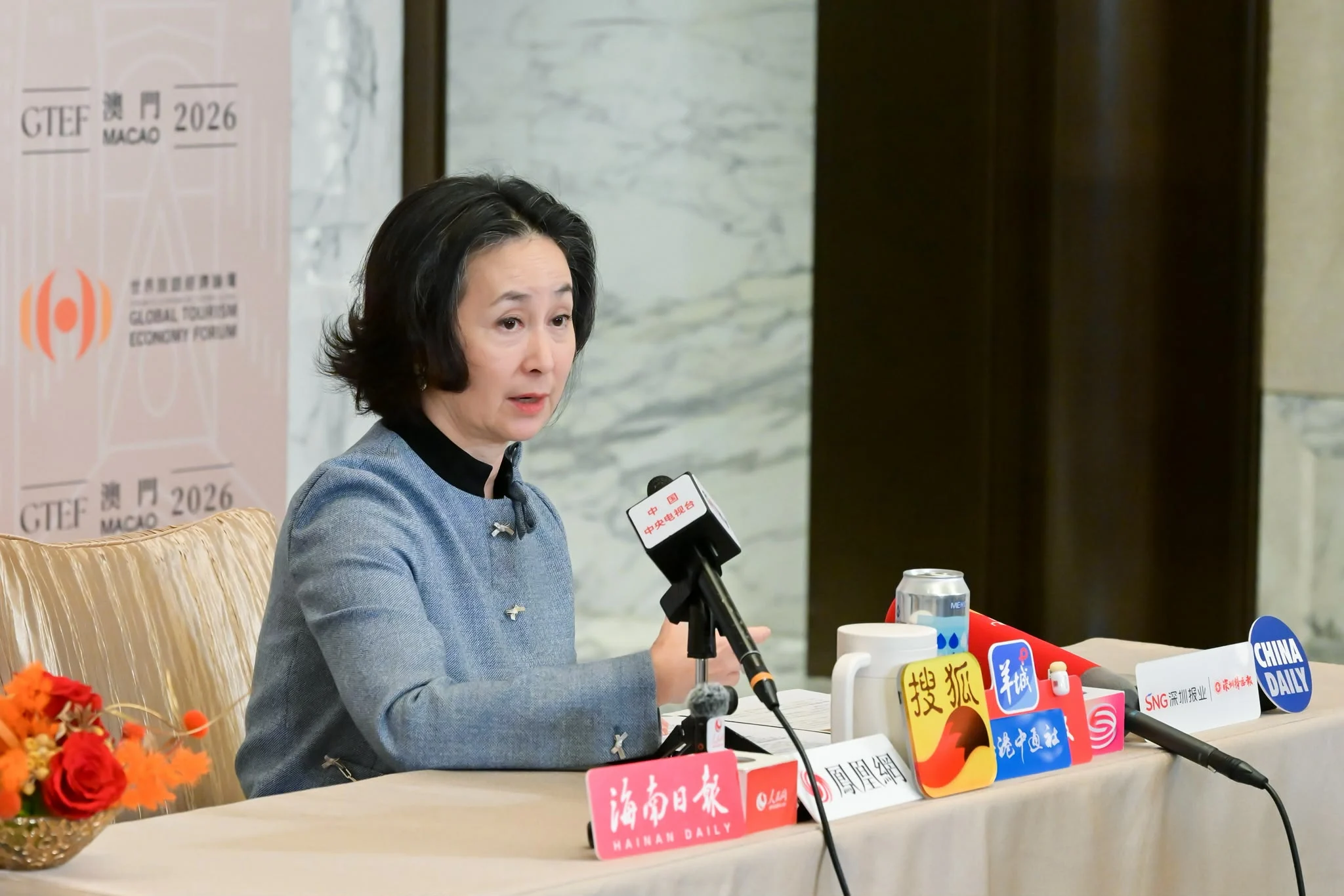
At the twelfth Global Tourism Economy Forum (GTEF) in Macau, Pansy Ho, secretary-general of GTEF and co-chair/managing director of MGM China Holdings, delivered a clear message to travel industry leaders: technology should serve, not supplant, the human connections that define hospitality. In an era of generative AI and automated service delivery, Ho argued that the sector's future lies in elevating—not replacing—the human touch.
AI as a catalyst, not a replacement
Ho dismissed fears that artificial intelligence would make physical travel obsolete. Instead, she framed automation as a driver of wanderlust. "Tourism exists because people still want to physically visit places," she said. "As people rely more on AI to resolve daily work burdens, they will hopefully have more leisure time to rest, pursue personal interests, and explore the real world. Tourism becomes even more appealing and relevant in an AI-driven era."
This perspective aligns with broader industry trends, where AI reshapes travel booking while human advisors reclaim high-value roles. For airlines and hotel groups, the takeaway is clear: invest in technology to streamline operations, but never lose sight of the emotional core that drives traveler loyalty.
Leveling the playing field for smaller operators
While global hotel chains have the capital to deploy high-tech infrastructure, Ho highlighted how AI algorithms and targeted digital platforms are democratizing the sector. Independent properties can now compete on quality and narrative rather than sheer marketing scale. However, standing out in an AI-saturated market demands a shift toward deeper, culturally rooted experiences.
"To stand out against AI, you must emphasize the human element: authenticity, lineage, and emotional connections to a place," Ho said. "AI can present structured facts, but humans convey emotion and meaning. Ultimately, authenticity will always triumph over basic AI generation." This echoes the approach of luxury properties like Trisara Phuket, where human connection defines the guest experience.
Multi-destination models to counter rising costs
Addressing global economic pressures and rising travel costs, Ho advocated for flexible regional strategies to cushion long-haul itineraries against inflation. Central to this approach is the expansion of the One Journey, Multiple Stops framework across China and the Greater Bay Area. By transforming transit hubs into destination stopovers—similar to models established in the Middle East—travelers gain greater value from single, multi-city itineraries.
AI-powered planners simplify this transition by generating seamless multi-stop routes and price comparisons, removing logistical friction for long-distance visitors. For tour operators and travel advisors, this represents an opportunity to package multi-destination experiences that offer both value and cultural depth.
Tourism as a faith industry
Ho also pointed to deepening links with emerging global tourism hubs, particularly Saudi Arabia, where she serves on the board of international conventions such as TOURISE. Facilitating bilateral exchanges between Hong Kong, Macau, and the Middle East remains a strategic priority for long-term infrastructure and trade growth.
Reflecting on Macau's evolution from a modest trading post to a premier luxury and experiential travel hub, Ho emphasized that long-term transformation requires unwavering vision and confidence. "People often say tourism is a peace industry, but I believe it is equally a faith industry," she said. "You have to truly believe in what you are selling; tourism elevates retail by surrounding products with culture and experience."
For industry professionals, Ho's insights reinforce a growing consensus: airport terminals are shifting from transit machines to human-centred spaces, and immersive tech in tourism carries authenticity risks. The path forward lies in blending efficiency with emotional resonance—a balance that will define the next decade of travel.