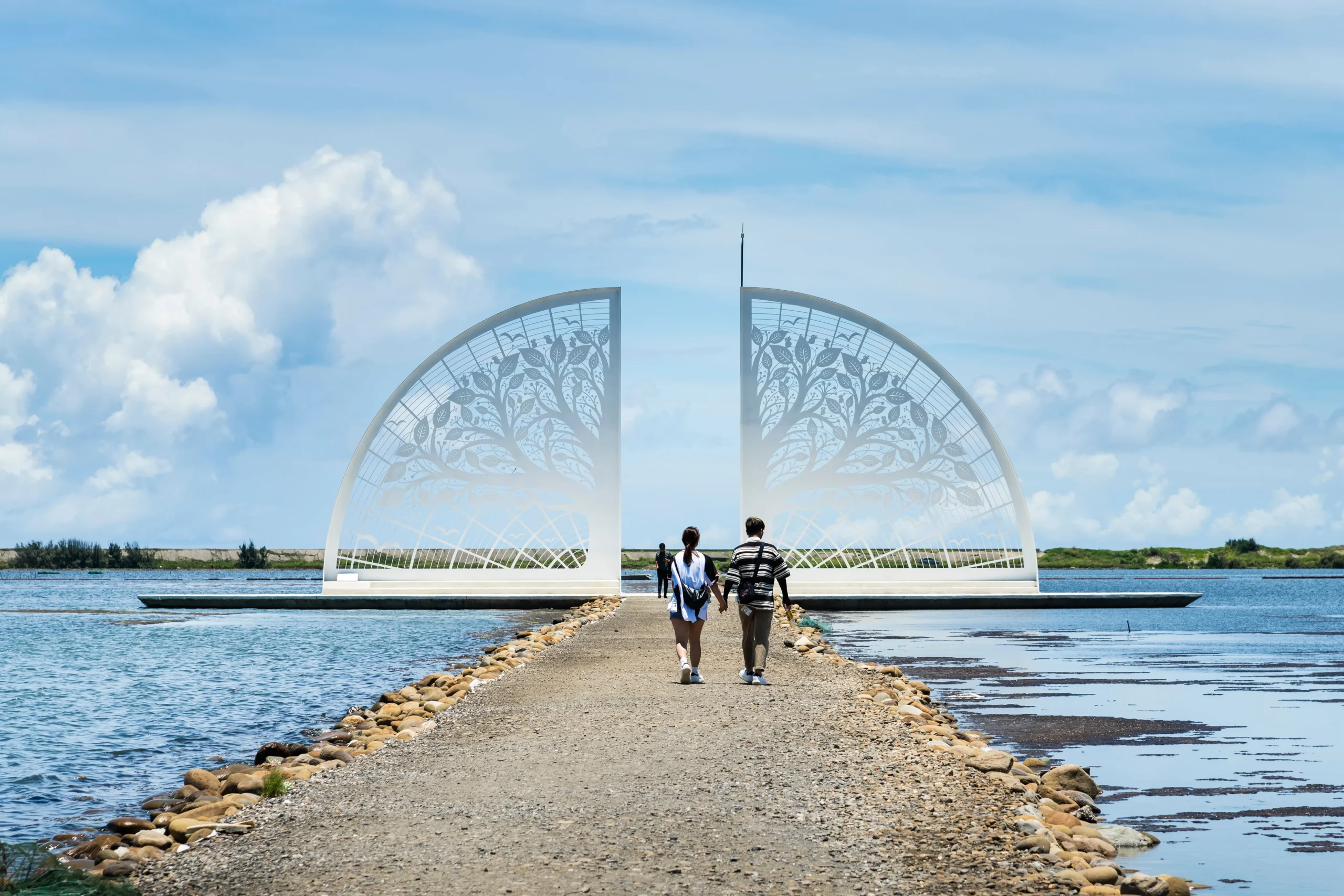
The Taiwan Tourism Administration has unveiled a new initiative aimed at drawing international visitors to the country's southern regions. Announced on 15 October, the campaign pools more than NT10 million in travel incentives, with the Siraya National Scenic Area Administration leading the charge. The goal is to position southern Taiwan as a compelling destination for leisure travellers from around the world.
The campaign spotlights four key scenic areas: Southwest Coast, Siraya, Maolin, and Dapeng Bay. Each offers distinct experiences, from coastal salt fields and lake cruises at Zengwen Reservoir to indigenous cultural encounters in Maolin's mountains. The diversity is designed to appeal to a wide range of traveller segments, including couples seeking romantic getaways, nature enthusiasts, and culture-focused visitors.
Strategic partnerships to boost bookings
To make self-guided trips easier, the Taiwan Tourism Administration has teamed up with EVA Air and major online travel platforms such as Klook. These collaborations provide exclusive promo codes, discounts on tours, and complimentary vouchers for flight-and-hotel packages. The perks are intended to reduce the friction of planning a trip to southern Taiwan, making it more attractive for international holidaymakers.
EVA Air's involvement is particularly notable, as the carrier operates extensive routes from North America, Europe, and Asia into Taipei. The airline's partnership with the campaign could help funnel its existing passenger base toward southern Taiwan, which is often overlooked in favour of the capital. Similar regional promotion efforts, such as Thailand's domestic flight discount campaign, have shown how targeted incentives can stimulate travel demand.
The campaign also aligns with broader trends in the Asia-Pacific tourism market. For instance, Japan's inbound travel links have been strengthened through bilateral agreements, and Taiwan is now looking to replicate that success in its southern regions. By leveraging partnerships with airlines and OTAs, the tourism board aims to increase the region's visibility on the global stage.
Southern Taiwan's appeal
Southern Taiwan is known for its warm climate, rich gastronomy, and laid-back atmosphere. The campaign emphasises these assets, encouraging travellers to explore beyond the typical Taipei-centric itinerary. From the historic salt fields of the Southwest Coast to the scenic beauty of Dapeng Bay, the region offers a mix of natural and cultural attractions that can compete with more established destinations.
Local tourism officials believe the incentives will be a key driver in attracting first-time visitors. "We want to show the world that southern Taiwan is not just a stopover but a destination in its own right," said a spokesperson for the Siraya National Scenic Area Administration. "Our partnerships with EVA Air and Klook allow us to offer tangible value to travellers, making the decision to visit easier."
The campaign's timing is strategic, as it coincides with the autumn and winter travel season, when many travellers from colder climates seek warmer destinations. With the global travel industry continuing to recover, Taiwan is positioning itself to capture a larger share of the market. Similar efforts, such as Cebu Pacific's Taipei pop-up fare sale, highlight the competitive nature of the region's aviation market.
For travel professionals, the campaign represents an opportunity to offer clients a fresh destination with added value. The vouchers and discounts can be bundled into packages, making southern Taiwan an attractive option for both leisure and incentive travel. As the region seeks to boost its international profile, these travel rewards are expected to draw significant interest from travellers worldwide.
The Taiwan Tourism Administration has not disclosed the exact number of vouchers available, but the NT10 million pool suggests a substantial commitment. The campaign will run through the end of the year, with the possibility of extension depending on uptake. For now, the focus is on generating awareness and converting interest into bookings.
In the broader context of destination marketing, Taiwan's approach mirrors successful campaigns in other Asian markets. For example, Thailand's use of international events to boost tourism demonstrates how strategic partnerships can amplify a destination's reach. Taiwan's southern campaign is a similar play, leveraging airline and OTA partnerships to drive demand.
As the travel industry evolves, destination marketing is becoming more targeted and data-driven. Taiwan's campaign is a case in point, using incentives to nudge travellers toward a specific region. Whether it will succeed in shifting the balance of tourism away from Taipei remains to be seen, but the early signs are promising.