Artificial intelligence is poised to redefine how travellers discover, book, and experience destinations, but the human element will remain the industry's cornerstone, according to executives speaking at a World Tourism Day 2026 event hosted by Belvera Partners. The session, themed "Digital Agenda and Artificial Intelligence to Redesign Tourism," brought together leaders from hospitality, travel technology, and distribution to examine AI's practical impact on the sector.
Catt McLeod of Elegant Hotels of the World, Ivonne Arriola of Connect by PriceTravel Holding, and Daniel Pino of Aloja agreed that AI is accelerating a fundamental shift in traveller behaviour. McLeod noted that the barrier to booking travel has all but disappeared: "Historically, only professional travel bookers were able to book hotels, travel and tourism experiences. Now, end guests and travellers can do that too." This democratisation, she argued, forces the industry to rethink how it serves both direct consumers and intermediaries.
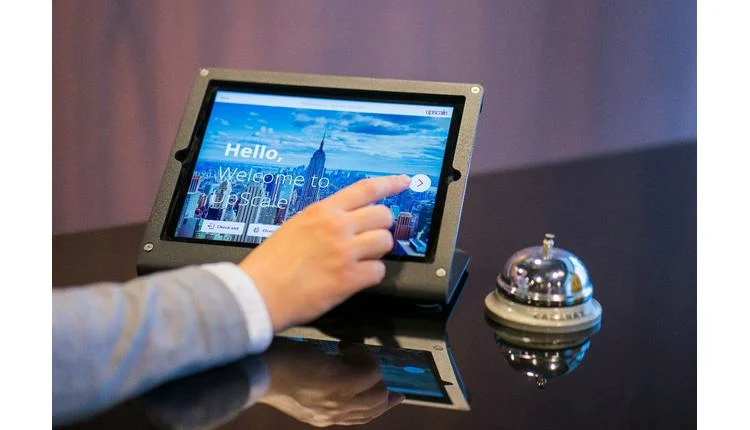
Pino, whose company Aloja provides technology for the short-term rental and hospitality sectors, stressed that while AI will automate many operational tasks, the core of travel remains unchanged. "The desire to explore, to connect, to experience — that is human," he said. "AI can optimise pricing, streamline check-in, and personalise recommendations, but it cannot replace the warmth of a welcome or the intuition of a seasoned concierge."
Arriola highlighted AI's role in personalisation, noting that the technology processes vast amounts of data to tailor offers and services to individual preferences. "AI is great, but it must be regulated, used responsibly and with humans in the loop overseeing the progress it makes," she said. Her comments echo a broader industry concern about balancing automation with accountability.
Human touch as a competitive advantage
The panel's consensus was that technology should augment, not replace, human interaction. This is particularly relevant as travel advisors and agencies reclaim high-value roles in a market where disruption-weary clients seek reassurance. As AI reshapes travel agencies, the human advisor's ability to provide empathy, problem-solving, and personalised guidance becomes a premium service.
Hotels are also experimenting with this balance. For instance, Four Seasons Bengaluru uses AI to tailor stays while ensuring staff remain the primary point of contact. Such examples illustrate that technology can enhance efficiency without eroding the personal connections that drive loyalty.
The panellists called for responsible AI adoption, governance frameworks, and investment in digital skills across the workforce. Arriola emphasised that regulation must keep pace with innovation, ensuring that AI is used ethically and transparently. "We need to train our people to work alongside AI, not fear it," she said.
Pino offered a practical warning for operators struggling despite strong travel demand: "If you're seeing a decline in bookings or revenue whilst travel demand continues to grow, it might be time to look internally and evaluate your customer acquisition strategies." He suggested that companies failing to adapt to AI-driven distribution and marketing will lose ground to more agile competitors.
The discussion also touched on the broader trend of airport terminals shifting from transit machines to human-centred spaces, reflecting a wider industry move toward blending technology with hospitality. As AI continues to reshape the travel ecosystem, the message from World Tourism Day 2026 is clear: innovation must serve people, not the other way around.
For travel professionals, the takeaway is twofold. First, AI offers powerful tools for personalisation, operational efficiency, and data-driven decision-making. Second, the human touch — whether in a hotel lobby, a call centre, or a travel agency — remains the differentiator that builds trust and fosters long-term relationships. The challenge lies in integrating the two seamlessly.