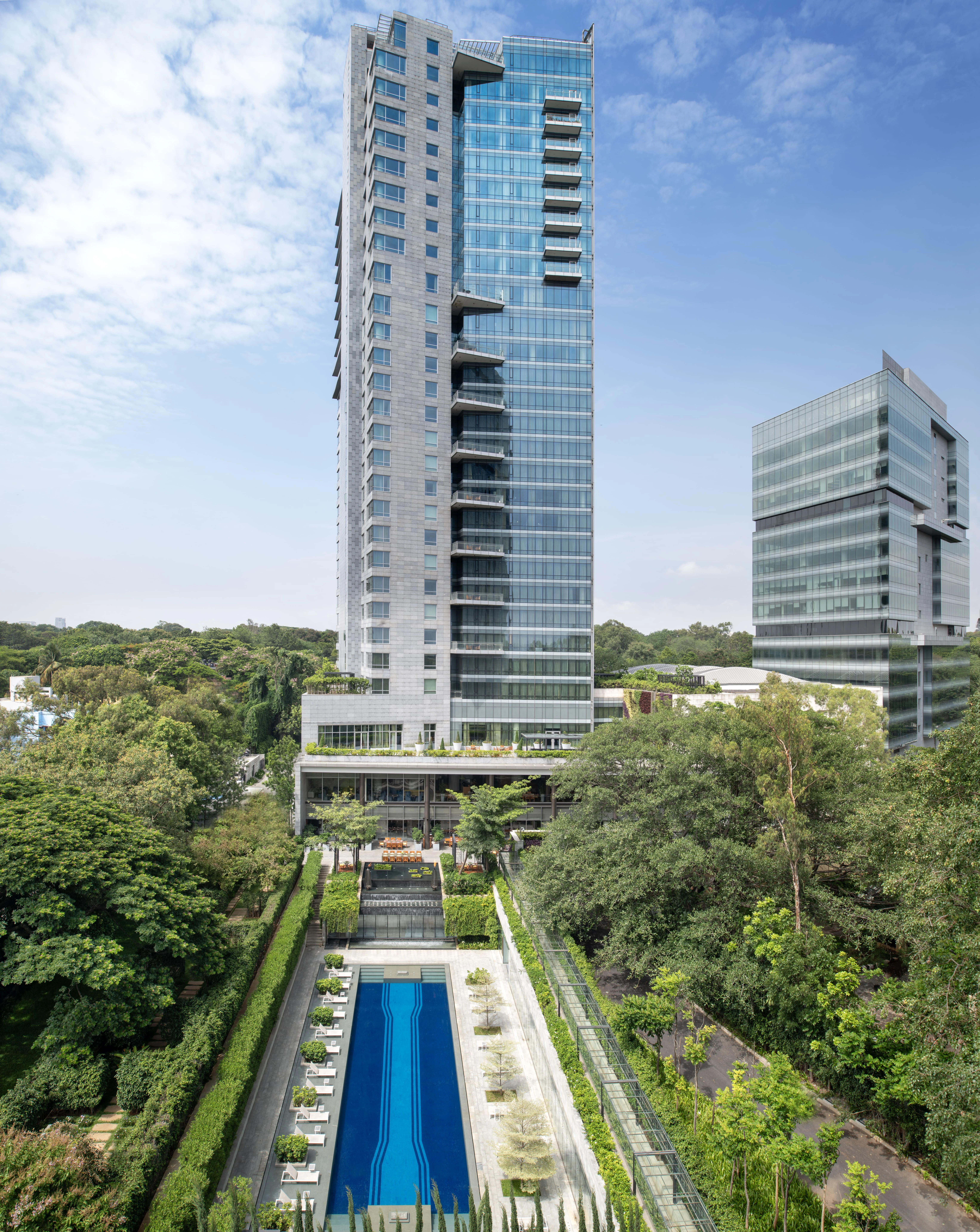
Four Seasons Hotel Bengaluru at Embassy ONE is embedding artificial intelligence into its service delivery model, using data-driven insights to tailor each stay while preserving the interpersonal warmth that defines luxury hospitality. The initiative aligns with this year's World Tourism Day theme, “Digital Agenda and Artificial Intelligence to Redesign Tourism,” and offers a practical case study for hoteliers weighing how far to push automation.
The property has built a centralised guest recognition platform, internally dubbed the “Golden Profile,” which consolidates preferences from multiple touchpoints—room bookings, dining orders, spa treatments, and past stay histories. This unified record is accessible across departments, enabling front desk agents, housekeeping, and restaurant staff to anticipate needs such as preferred room temperature or dietary restrictions without the guest having to repeat them.
“Technology does not replace human intuition; it strengthens it by giving our people the insights they need to understand and anticipate a guest’s needs,” said Biswajit Chakraborty, General Manager of Four Seasons Hotel Bengaluru. His comment underscores a broader industry debate: how to deploy AI in hospitality without eroding the personal relationships that drive loyalty and repeat bookings.
From data to service: how the Golden Profile works
The Golden Profile is not a standalone software product but a framework that aggregates data from the hotel's existing systems, including its property management system, point-of-sale terminals, and guest feedback tools. When a guest books a room, requests a late checkout, or orders a specific dish at the hotel's restaurant, that information is logged and linked to their profile. On subsequent visits, staff can proactively adjust the room setup, recommend menu items, or arrange transport based on past behaviour.
This approach mirrors broader trends in travel technology, where platforms like Amadeus's expanded distribution via HyperGuest are pushing more personalised booking experiences. For hoteliers, the key is ensuring that data collection remains transparent and that human staff are trained to interpret and act on insights rather than blindly following algorithms.
Four Seasons Bengaluru's strategy also reflects a growing emphasis on “phygital” hospitality—blending physical service with digital efficiency. The hotel has not disclosed the specific AI vendors or tools it uses, but the integration appears to be built on existing enterprise systems rather than bespoke software. This pragmatic approach may appeal to other properties looking to adopt similar capabilities without overhauling their entire tech stack.
Industry context: AI's role in luxury hospitality
The Bengaluru property is not alone in exploring AI. Across the industry, hotel groups are testing chatbots, predictive analytics, and smart room controls. However, Four Seasons' emphasis on human warmth as a counterbalance to automation is notable. The brand has long positioned itself on personalised service, and this initiative suggests that AI is being used to enhance, not replace, that ethos.
Recent rankings, such as Bangkok's Capella and Four Seasons properties taking top spots in the 50 Best Hotels 2026, highlight the competitive pressure on luxury brands to deliver memorable experiences. In India, where the luxury segment is expanding rapidly, properties like Four Seasons Bengaluru are using technology to differentiate themselves.
For travel advisors and tour operators, the implication is clear: hotels that invest in guest recognition systems can offer more seamless experiences for their clients, reducing friction and increasing satisfaction. The Golden Profile also supports the growing demand for personalised stays among Indian luxury travellers, a segment that values recognition and tailored service.
As the global tourism community focuses on digital agendas and AI, Four Seasons Hotel Bengaluru exemplifies how technology can be used to enhance hospitality without losing the essence of human connection. The hotel demonstrates that redesigning tourism involves using available tools to ensure every guest feels valued and at home.
For hoteliers attending industry events or planning tech investments, the Bengaluru case offers a template: start with a clear understanding of guest pain points, build a data infrastructure that respects privacy, and train staff to use insights empathetically. The result is a service model that is both efficient and emotionally resonant.