The Asia-Pacific region is set to remain the engine of global aviation growth, with Airbus projecting a need for 19,120 new passenger aircraft between 2026 and 2045. That figure represents 45% of the worldwide requirement of 42,060 new aircraft, according to the manufacturer's latest Global Market Forecast.
Passenger traffic in the region is expected to grow at a compound annual rate of 5.1%, outpacing the global average of 3.9%. This expansion is underpinned by a projected middle-income population of three billion by 2045 and rapid urbanisation across key markets such as China, India, and Southeast Asia.
Widebody demand nearly half of global total
Of the new aircraft needed, roughly one-third will replace ageing fleets, while the remainder will support network growth. The region's demand for widebody aircraft is particularly pronounced: 3,420 new units are required, accounting for nearly half of all widebody deliveries worldwide. This reflects the continued expansion of long-haul routes connecting Asia-Pacific to Europe and the Americas, as well as growing intra-regional premium travel.
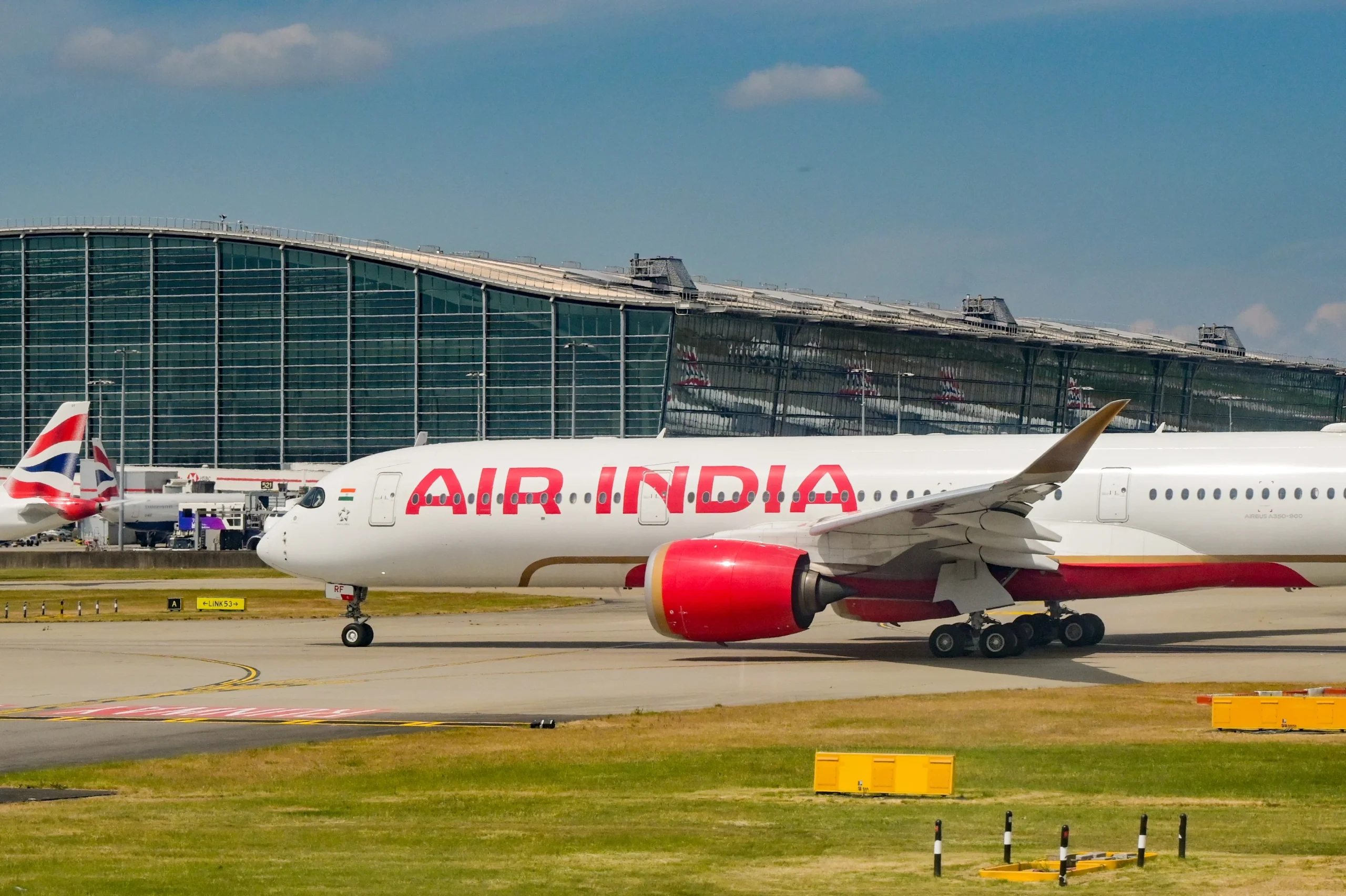
Airbus says its A330neo and A350 families have helped the manufacturer capture 50% of the widebody market in the region over the past three years. The A350-1000, in particular, is emerging as a preferred successor to the Boeing 777-300ER on long-range missions, offering airlines greater fuel efficiency and passenger comfort.
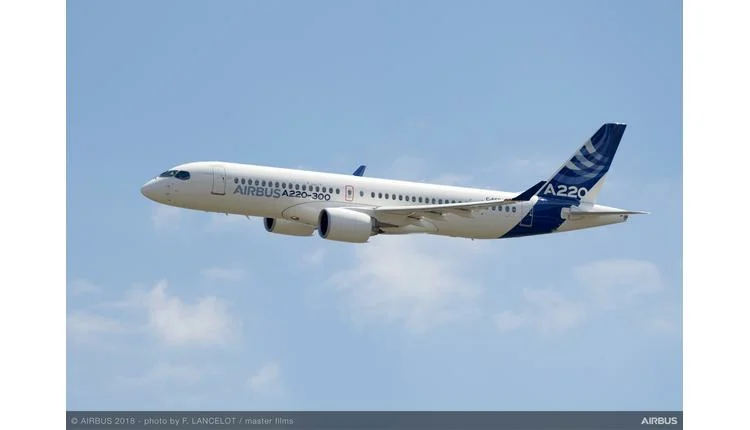
Single-aisle aircraft remain the backbone of regional growth, with 15,700 units needed by 2045 to support domestic and intra-regional expansion. The A321XLR and A220 are enabling carriers to bypass traditional hubs and connect secondary cities directly, a trend that is reshaping network strategies across the region.
“Airlines are decentralising beyond traditional hub-and-spoke models to connect secondary cities directly to the global economy,” said Anand Stanley, President of Airbus in Asia-Pacific.
By August 2026, 119 airlines in the region operated 5,000 Airbus aircraft, holding a 58% market share. This installed base provides a strong foundation for future orders, particularly as carriers modernise fleets to meet sustainability targets and operational efficiency goals.
The forecast aligns with broader industry trends, including the rise of adventure and nature travel, which is driving demand for new point-to-point connections. Additionally, the shift in peak travel seasons, as highlighted by September emerging as Europe's new peak, could influence route planning and fleet deployment in the region.
Airbus's outlook also reflects the growing importance of secondary cities in Asia-Pacific, a development that is prompting airlines to rethink their hub strategies. The A220's range and capacity make it particularly suited for thinner routes, while the A321XLR extends reach into underserved markets.
For travel professionals, the implications are clear: Asia-Pacific will be the primary battleground for aircraft orders, with implications for airport infrastructure, tourism development, and airline competition. As the region's middle class expands, demand for both business and leisure travel is expected to surge, creating opportunities for airlines, hotels, and tour operators alike.