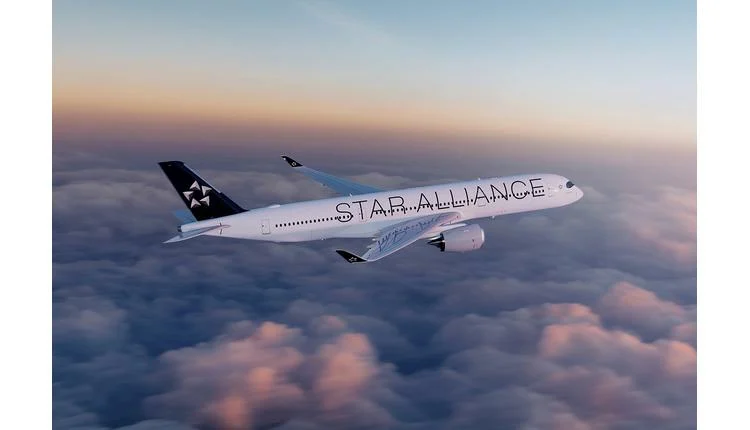
Asiana Airlines, the Seoul-based carrier, will formally withdraw from Star Alliance on 16 December 2026 at 23:59 Korea Standard Time, ending a 23-year membership that began in 2003. The departure marks a significant shift in the competitive landscape at Incheon International Airport, where the alliance will retain 14 member airlines operating more than 1,900 direct flights monthly to 29 global destinations.
Transition Timeline and Customer Protections
Star Alliance and Asiana Airlines are coordinating a phased transition to minimize disruption for corporate travel buyers and frequent flyers. Passengers enrolled in any Star Alliance member loyalty programme—including United Airlines' MileagePlus, Lufthansa's Miles & More, and Air Canada's Aeroplan—can continue earning miles on Asiana-operated flights until 15 October 2026. Redemption of miles for award tickets and upgrades on Asiana Airlines will be honored for travel completed by 16 December 2026, subject to each programme's specific policies.
Star Alliance Gold and Silver status holders will retain priority services, lounge access, and other benefits when flying with Asiana Airlines until the departure date. After 16 December 2026, these benefits will no longer apply on Asiana flights, though they remain valid across other alliance carriers.
Post-Exit Alliance Composition
Following Asiana's exit, Star Alliance will comprise 25 member airlines. The alliance continues to focus on seamless multi-airline itineraries, a priority for corporate travel managers and tour operators. The reduction in Seoul-based connectivity may prompt some travel buyers to reassess preferred carrier agreements, particularly for transpacific and intra-Asia routes.
Incheon remains a critical hub for Star Alliance. Carriers such as United Airlines, Lufthansa, Singapore Airlines, and ANA will maintain robust schedules. The alliance's network from Seoul covers key business and leisure destinations, including Tokyo, Beijing, Bangkok, London, and New York.
Implications for Travel Industry Professionals
For travel agents and corporate travel managers, the timeline allows ample time to adjust booking policies and educate clients. Asiana's departure may also influence decisions for companies with preferred carrier agreements tied to Star Alliance benefits. Tour operators and MICE planners should note that Asiana's loyalty programme integration will cease, potentially affecting group travel incentives and upgrades.
Aviation analysts view the exit as part of broader realignment in the Korean market. Asiana's parent company, Kumho Asiana Group, has been pursuing restructuring, and the airline's future alliance strategy remains unclear. Some industry observers speculate Asiana may eventually join another global alliance or pursue bilateral partnerships, though no official announcements have been made.
Meanwhile, Star Alliance continues to expand its footprint in Asia. Recent developments include Malaysia Airlines and Singapore Airlines launching a joint business partnership, which strengthens connectivity across Southeast Asia. Additionally, Juneyao Airlines has pushed back its Jakarta and Manila launches to October, reflecting ongoing adjustments in regional route networks.
For travel technology vendors, the transition underscores the importance of flexible loyalty programme integration. GDS systems such as Amadeus, Sabre, and Travelport will need to update fare rules and mileage accrual tables to reflect the change. Hotel chains and cruise lines that partner with Star Alliance for cross-industry loyalty benefits should also review their agreements.
In a statement, Star Alliance thanked Asiana Airlines and its employees for their contributions over the past two decades. The alliance emphasized its commitment to maintaining a seamless travel experience for customers during the transition period.
Travel professionals should monitor updates from both Asiana and Star Alliance as the 2026 deadline approaches. Adjustments to corporate travel policies, loyalty programme strategies, and booking systems will be essential to ensure continuity for travelers.