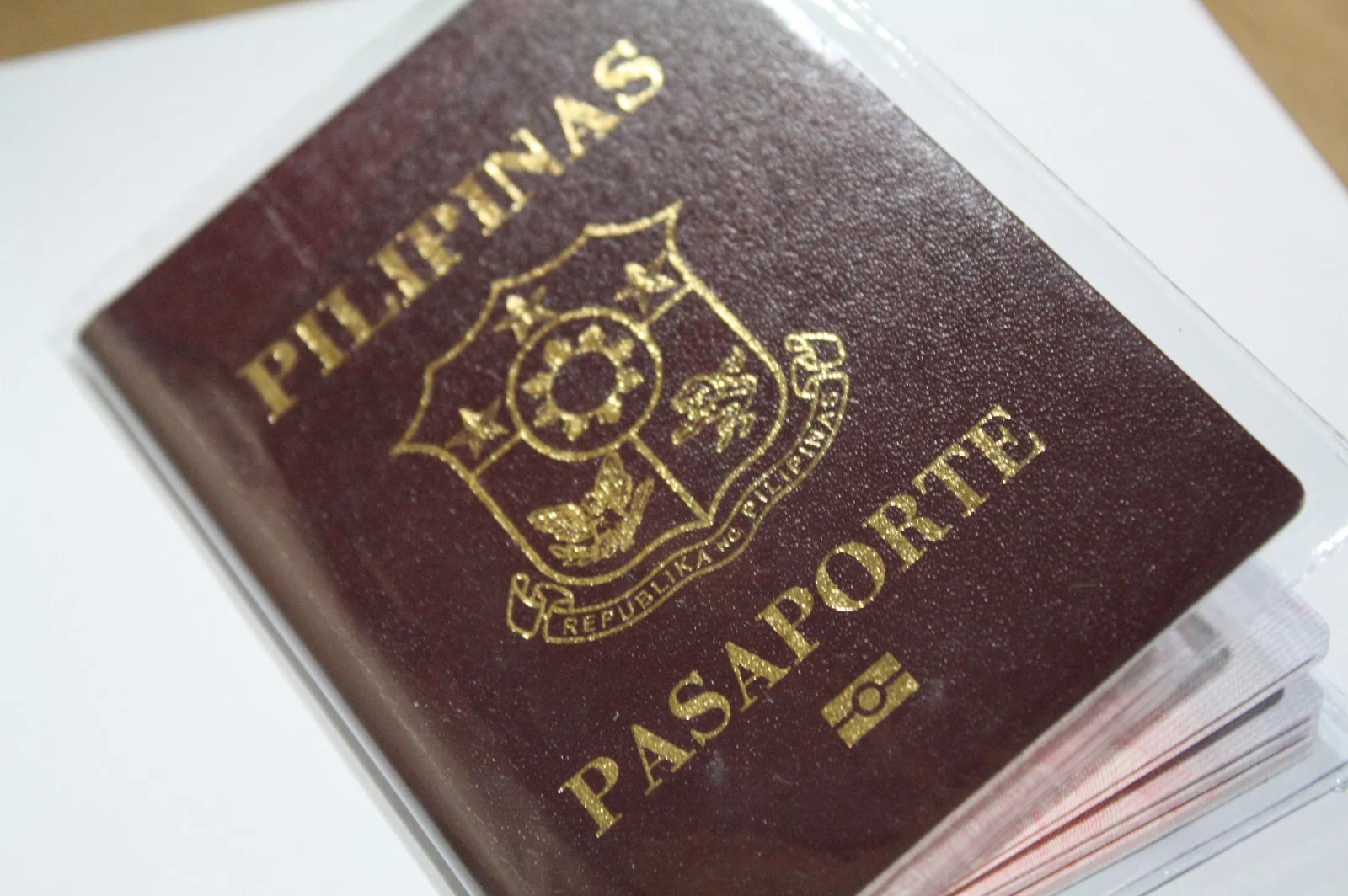
As 2027 approaches, the travel industry is bracing for a wave of digital transformation in passport issuance and border control. Yet despite the hype around fully digital travel credentials, the humble paper passport is far from obsolete. In fact, governments worldwide are doubling down on physical booklet innovation, ensuring that the traditional document remains a cornerstone of international travel for years to come.
Digital milestones on the horizon
The coming year will bring significant changes to how travelers apply for documents and clear immigration. The United States, for instance, is set to launch its America.gov portal by late 2027, enabling first-time applicants to submit forms and digital photos remotely, bypassing in-person acceptance facilities. This move is part of a broader trend toward fully online application processes, which several governments are adopting.
Simultaneously, border control pilots using ICAO Digital Travel Credentials (DTCs) are gaining momentum. These encrypted credentials allow passengers to store verified copies of their passport chip data on smartphones, streamlining airline check-ins and automated facial-recognition gates. For Asia-Pacific travelers and aviation stakeholders, this dual-track evolution—digital convenience layered on physical infrastructure—is becoming the new norm.
The end of the ink stamp
One of the most visible casualties of this shift is the traditional ink stamp on arrival and departure. The European Union’s biometric Entry/Exit System (EES) has already led 29 European nations to retire manual passport stamping in favor of centralized digital entry records. Singapore has also gone fully digital at its air and sea ports, eliminating stamping altogether. These developments are steadily eroding one of travel’s oldest rituals, but they do not signal the end of the physical passport itself.
Paper booklets are here to stay
Contrary to predictions of obsolescence, governments are investing heavily in next-generation physical security features. The Philippine Department of Foreign Affairs (DFA) is targeting June 2028 to roll out a redesigned passport with upgraded contactless chip technology, mirroring similar plans by the U.S. State Department to introduce a refreshed booklet that same year. These investments underscore the enduring role of the physical document.
Technically, digital credentials still depend on physical hardware. Under prevailing ICAO DTC Type 1 standards, travelers must generate their smartphone credential by scanning an existing, valid physical ePassport. This effectively tethers digital convenience to tangible documentation, ensuring the booklet remains indispensable.
Infrastructure gaps and legal hurdles
More fundamentally, uneven global infrastructure prevents a purely digital transition, even in fully developed nations. Seamless paperless travel requires every international airport, carrier, and remote land crossing to operate compatible biometric scanners, underpinned by harmonized legal frameworks. As ICAO has noted, member states are modernizing at vastly different speeds. Until universal interoperability is achieved across developing and mature aviation markets alike, the physical passport will endure as international travel’s indispensable fallback.
For travel professionals, this means planning for a hybrid future. Airlines, hoteliers, and tour operators should prepare for passengers who may hold digital credentials but will still need to present physical passports at borders. The expansion of electronic travel authorizations in some regions is a step toward streamlining entry, but it does not replace the need for a valid passport.
Industry implications
The dual-track evolution has practical implications across the travel sector. For airlines, check-in processes must accommodate both physical and digital verification. For hotels and cruise lines, guest identification protocols may need to adapt to new document formats. The fleet expansions by carriers like Cathay Pacific signal confidence in growing international travel, but the infrastructure to support seamless border crossing is still a work in progress.
As the industry moves toward 2027, the message is clear: physical passports are not being relegated to the recycling bin. Instead, they are being redesigned and upgraded to meet the demands of a digital age. Travel professionals should monitor these developments closely, as they will shape the passenger experience for years to come.