CapitaLand Ascott Trust (CLAS) has kept its distribution per stapled security (DPS) unchanged at 2.53 Singapore cents for the first half of 2026, matching the year-ago period. The trust reported an 11% increase in income available for distribution, reaching S$107.1 million, driven largely by higher non-periodic items. Total distributions amounted to S$97.5 million, with S$9.6 million retained for non-periodic items.
Core distribution income faced headwinds from transitional factors including timing differences related to acquisitions and divestments, ongoing asset enhancement initiatives (AEIs), and foreign exchange volatility. Despite these pressures, CLAS managed to sustain operating performance, with revenue per available unit (RevPAU) edging up 1% year-on-year.
Strategic capital recycling and portfolio moves
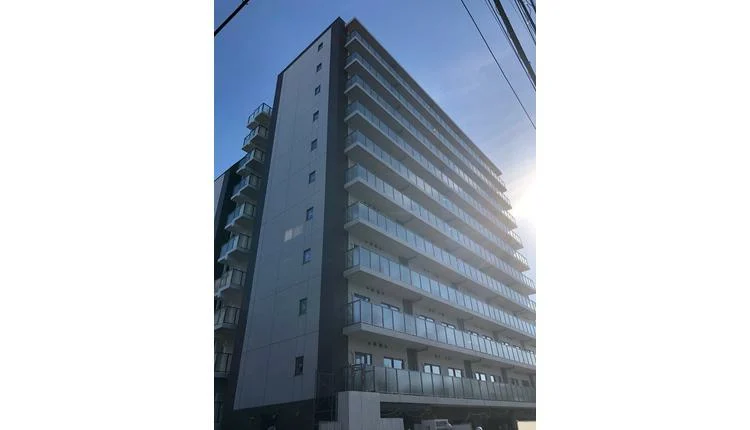
Serena Teo, CEO of CapitaLand Ascott Trust Management Limited, highlighted the trust's strategic actions during the period. CLAS acquired three rental housing properties in Japan and divested The Robertson House in Singapore. These moves are part of a broader strategy to recycle capital into higher-quality assets and strengthen income resilience. The trust's focus on long-stay segments aligns with broader industry trends, as seen in Ascott's planned villa community in Riyadh targeting the long-stay market.
Looking ahead, CLAS plans to open Somerset Clarke Quay Singapore in early 2027. This new property, along with contributions from recently renovated assets, is expected to support future income growth. The trust remains committed to delivering stable distributions, underpinned by sustained operating performance and disciplined asset management.
As of 30 June 2026, CLAS's gearing stood at 37.7%, with a low average cost of debt of 2.8% per annum. The trust's diversified portfolio and hedging strategies help mitigate foreign exchange risks, positioning it well for future growth opportunities. The stable DPS reflects CLAS's ability to navigate transitional challenges while maintaining a strong balance sheet.
For travel industry professionals, CLAS's performance offers insights into the resilience of serviced residence and rental housing assets amid shifting travel patterns. The trust's focus on long-stay accommodations and strategic asset recycling provides a model for hospitality investors seeking stable returns in a dynamic market.