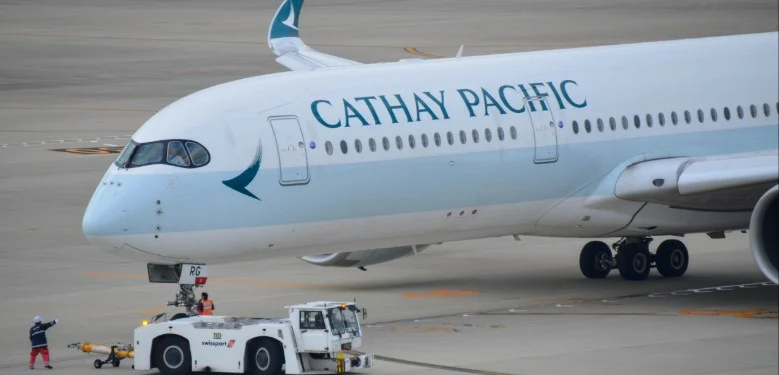
Cathay Pacific has moved to solidify its long-haul fleet renewal strategy by converting purchase options for 11 more Airbus A330-900 widebodies into firm orders. The move, announced this week, brings the Hong Kong-based carrier's total firm commitments for the A330neo family to 41 aircraft, following an initial order for 30 in 2024.
The new aircraft will be delivered between 2031 and 2035, with each unit to be paid for in eight cash instalments. The first batch of A330neos from the 2024 order is still scheduled to begin arriving in 2028, giving Cathay a steady pipeline of new widebody capacity through the next decade.
Fleet renewal and expansion
In addition to the widebody order, Cathay has also confirmed three more A321neo narrowbodies, supplementing the 32 A321neo and A320neo aircraft ordered in 2023. This latest batch of 14 aircraft—11 A330-900s and three A321neos—reflects the group's ongoing effort to modernise its fleet and improve fuel efficiency.
As of June this year, Cathay operated 43 A330-300s with an average age of 17.8 years, making the A330neo replacement a priority. The new aircraft will serve on regional and medium-haul routes across Asia-Pacific, where Cathay faces intensifying competition from Singapore Airlines, ANA, and Qantas.
The order also aligns with Cathay's broader fleet plan, which includes a mix of Airbus and Boeing aircraft. The group has previously ordered 21 Boeing 777-9s and options for more, but the A330neo will play a key role in replacing the ageing A330-300 fleet.
Order book and future commitments
According to Cathay's interim report, the group had 105 aircraft on firm order as of the end of June. After accounting for the latest 14 orders, approximately 30 more aircraft orders are expected to be placed in the coming years, as the group continues to evaluate its long-term capacity needs.
Cathay Group CEO Ronald Lam has reiterated that the company will review investment options with its board annually, adjusting the pace of fleet implementation in response to market conditions. "We remain committed to investing in a modern, efficient fleet that supports our network ambitions and sustainability goals," Lam said in a statement.
The decision to exercise the options comes amid a broader recovery in Asia-Pacific air travel, with carriers reporting the first passenger growth in six months. Cathay's expansion is also part of a wider trend of airlines upgrading their fleets to meet rising demand and stricter environmental regulations.
Industry analysts note that the A330neo offers a 25% fuel burn improvement over the A330-300, making it an attractive option for carriers looking to reduce operating costs. The aircraft's range and capacity also make it suitable for routes from Hong Kong to destinations in Australia, India, and the Middle East.
Cathay's order book now includes a mix of A321neo, A330neo, and Boeing 777-9 aircraft, positioning the group for a significant fleet renewal by the mid-2030s. The carrier also holds options for additional A330neos, which could be converted if demand continues to grow.
The announcement has been welcomed by Airbus, which sees the A330neo as a key product in the widebody segment. "Cathay Pacific's continued confidence in the A330neo underscores the aircraft's operational efficiency and passenger appeal," said an Airbus spokesperson.
For travel professionals, the order signals Cathay's commitment to maintaining a competitive edge in the premium long-haul market, with implications for route planning and capacity on key Asia-Pacific corridors. As the airline expands its fleet, it is likely to introduce the A330neo on routes that currently use the older A330-300, potentially increasing frequencies or opening new destinations.
The move also reflects a broader industry trend of airlines investing in next-generation aircraft to meet sustainability targets and passenger expectations. Cathay's fleet plan is part of its broader strategy to achieve net-zero carbon emissions by 2050, with the A330neo contributing to a 25% reduction in fuel burn per seat compared to its predecessor.
With the latest order, Cathay Pacific continues to be one of the largest A330neo customers in Asia, alongside carriers like AirAsia X and Starlux Airlines. The airline's commitment to the type is expected to influence other regional carriers' fleet decisions, particularly as they seek to replace ageing widebodies.
As the aviation industry recovers from the pandemic, Cathay's investment in new aircraft is a positive signal for the Asia-Pacific market. The airline's focus on fleet renewal and network expansion is likely to enhance its competitive position, particularly on routes to Europe and North America, where it faces strong competition from Middle Eastern carriers.
For more insights on the region's aviation trends, see our coverage of Cathay's broader fleet expansion and the cyber risks facing Asia-Pacific carriers.