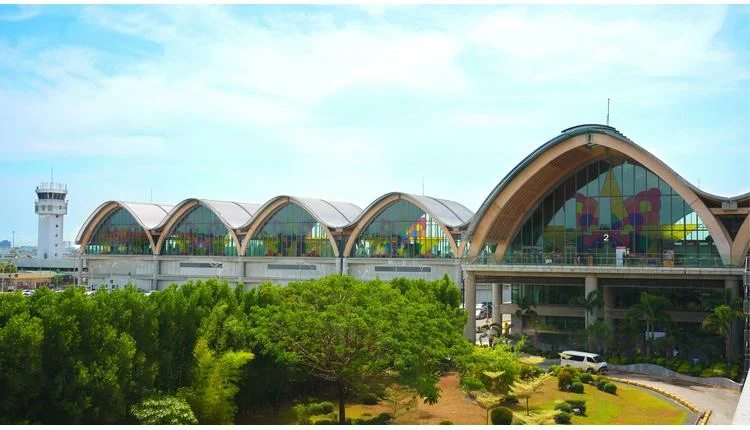
Mactan-Cebu International Airport (MCIA), operated by Aboitiz InfraCapital Cebu Airport Corporation, has rolled out CEB Connects, a new air-to-air transfer product from Cebu Pacific. The service is designed to streamline connections for passengers transiting through the Visayas hub, cutting minimum connection times to 35 minutes for domestic-to-domestic transfers and 60 minutes for international-to-domestic itineraries.
CEB Connects extends Cebu Pacific's network reach across 28 domestic and 14 international points, effectively positioning MCIA as a more competitive gateway for inter-island and regional travel. For travel professionals, the reduced connection times could make Cebu a more attractive option for routing passengers, particularly those heading to secondary destinations in the central and southern Philippines.
Beyond the terminal: Cebu's tourism pull
The airport's operator is keen to leverage the new transfer service to boost tourism across Cebu and the wider Visayas region. MCIA's role as a gateway is underscored by the proximity of cultural and natural attractions that are now easier to package into multi-stop itineraries.
Among the cultural draws is the Nuestra Señora del Patrocinio de Maria Church in Boljoon, a National Cultural Treasure that showcases Spanish colonial architecture. Adventure travelers can head to Dao Falls in Samboan for a refreshing stop, or dive into the marine biodiversity at Moalboal, famous for its Sardines Run.
Eco-tourism operators may find particular appeal in the Bojo River in Aloguinsan, where community-led conservation efforts protect a mangrove ecosystem. Meanwhile, Osmeña Peak in Dalaguete offers panoramic views that are a draw for hikers and day-trippers.
The introduction of CEB Connects aligns with broader efforts across the Philippines to improve air connectivity. Similar initiatives, such as the rise of Alona Beach via Bohol-Panglao Airport, highlight the region's growing importance in the country's tourism strategy.
For airlines and agents, the new transfer option could simplify booking processes and reduce layover times, making Cebu a more viable alternative to Manila for regional connections. The airport's management has emphasized that CEB Connects is not just about convenience but also about enriching the overall passenger experience, positioning MCIA as a launchpad for exploring the Philippines.
As the travel industry continues to recover and adapt, such innovations in airport operations are critical. The move also reflects a broader trend of airports enhancing their transfer products to compete for connecting traffic, a strategy seen at other hubs worldwide.