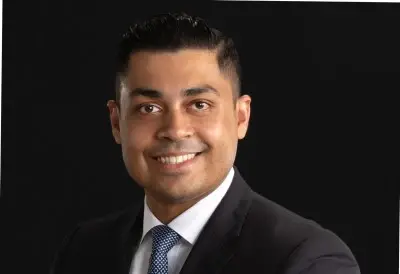
As Malaysia gears up for the spotlight of Visit Malaysia 2026, the hospitality industry faces a pivotal moment. Florian Kittler, Managing Partner and Global Practice Leader for Hospitality, Travel & Leisure at Cornerstone International Group, argues that the country's competitive edge will come not from copying global trends but from blending authentic experiences, resilient business models, and technology that amplifies human connection.
Kittler brings over three decades of luxury hospitality and executive search experience, having worked with brands like Shangri-La, Mandarin Oriental, and Hyatt. His career has taken him across ten cities in the Middle East and Asia-Pacific, giving him a deep understanding of cross-cultural leadership. He previously led HVS Executive Search's Europe and APAC operations before joining Cornerstone, and now advises hotel management companies, owners, and investors on leadership and capability building. His expertise also extends to AI and digital roles, backed by certifications in coaching and AI management.
Returning as a judge for the TDM Travel Trade Excellence Awards 2026 - Malaysia, Kittler shared his perspectives on how Malaysian tourism can craft stronger experiences, brace for disruption, turn sustainability into a strategic asset, and deploy AI without losing the human touch.
Redesigning the guest journey
Kittler stresses that the guest experience now begins long before a traveler steps into a hotel lobby. “It starts when they discover the property, look at images, read reviews, compare alternatives, and decide whether the experience is worth their time and money,” he says. The journey continues after departure through memories and shared stories. Hotels must therefore manage the entire arc, not just the stay itself.
Today's travelers seek more than a functional stay—they want wellbeing, recognition, connection, or a sense of place. This is especially true in Asia, where travelers are increasingly sophisticated and have a vast array of options. Malaysia, Kittler believes, has a unique opportunity here. “A hotel that gives me a genuine sense of the region has something that cannot simply be copied by another international hotel brand,” he notes. Heritage properties or experiences rooted in local culture and nature create emotional bonds that standardized products cannot replicate.
Technology, particularly data and AI, should support this by helping operators understand and serve guests better, not by making interactions more automated. “The best operators will be those that combine technology with a strong human connection,” Kittler asserts.
Building resilience for an unpredictable world
Disruption is no longer a rare event but a constant feature of the operating environment. Kittler points to the pandemic, geopolitical tensions, extreme weather, shifting travel patterns, and currency volatility as examples. While these cannot be predicted, organizations can improve their response capabilities.
His first recommendation is diversification. Over-reliance on a single source market, airline connection, or guest type leaves a hotel or destination vulnerable. Malaysia's domestic market, regional connectivity, and ASEAN position offer a strong base for broadening the mix. “Developing a broader mix of markets gives operators more options when one market slows down,” he says.
Second, speed of decision-making is critical. Having data is not enough; using it quickly to adjust revenue management, marketing, staffing, and distribution is what matters. Third, Kittler emphasizes relationships—with airlines, DMCs, travel partners, local communities, and other destinations. “Resilience is not just about having enough cash in the bank. It is also about having information, options, and relationships that allow you to react quickly,” he explains.
Sustainability as a competitive lever
Sustainability has moved beyond marketing fluff. Guests, investors, and employees now scrutinize what companies actually do. For hotels, this means local sourcing, reducing food waste, managing energy and water, protecting the environment, and engaging meaningfully with communities. These operational choices can directly enhance the guest experience and the bottom line.
Asia holds a particular advantage because much of the region's appeal lies in its natural and cultural assets. By integrating sustainability into the core experience, Malaysian operators can differentiate themselves in a crowded market. Kittler's advice aligns with broader industry trends, such as the recent MICE offerings at Hyatt Regency Danang that blend local experiences with sustainability.
As Malaysia prepares for its global moment, Kittler's message is clear: the future of hospitality depends on people, purpose, and smarter technology. By putting humans at the center and using tech to enhance—not replace—connection, Malaysia can build a resilient and distinctive tourism sector.