The pace of corporate travel cost increases is moderating, providing procurement teams with a more predictable sourcing environment after several years of sharp post-pandemic inflation. The 2027 Global Business Travel Forecast, compiled by the Global Business Travel Association (GBTA) and travel management company ALTOUR, projects global blended airfares will rise 4.7% in 2026, while hotel average daily rates increase 3.7%. These figures, however, do not signal a return to cheaper travel—only a deceleration in price growth.
Airline capacity recovery remains uneven
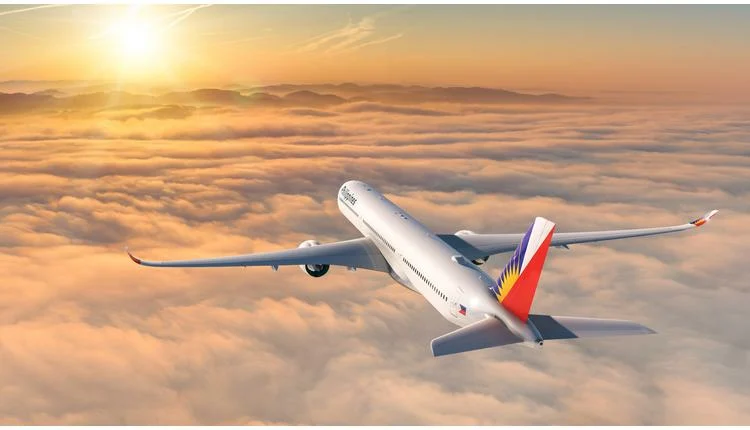
The gradual restoration of international seat supply has helped temper fare increases, particularly on competitive routes. Yet supply has not normalised. Ongoing aircraft delivery delays at Boeing and Airbus, coupled with engine inspection programs and spare-part shortages, have forced carriers such as Lufthansa, Delta Air Lines, and Singapore Airlines to revise expansion plans, retain older aircraft, and limit capacity on high-demand corridors. For corporate buyers, the implications are route-specific: markets with multiple competing airlines—like London-New York or Dubai-London—offer greater negotiating leverage, while thin long-haul routes and capacity-constrained hubs remain expensive.
Fuel price volatility adds further uncertainty. Rerouting around closed or contested airspace, as seen during recent disruptions in the Middle East, lengthens journey times, increases crew costs, and reduces aircraft utilisation. The International Air Transport Association continues to report strong international demand and high load factors, conditions that allow airlines to defend fares even as capacity returns.
Premium travel demand stays resilient
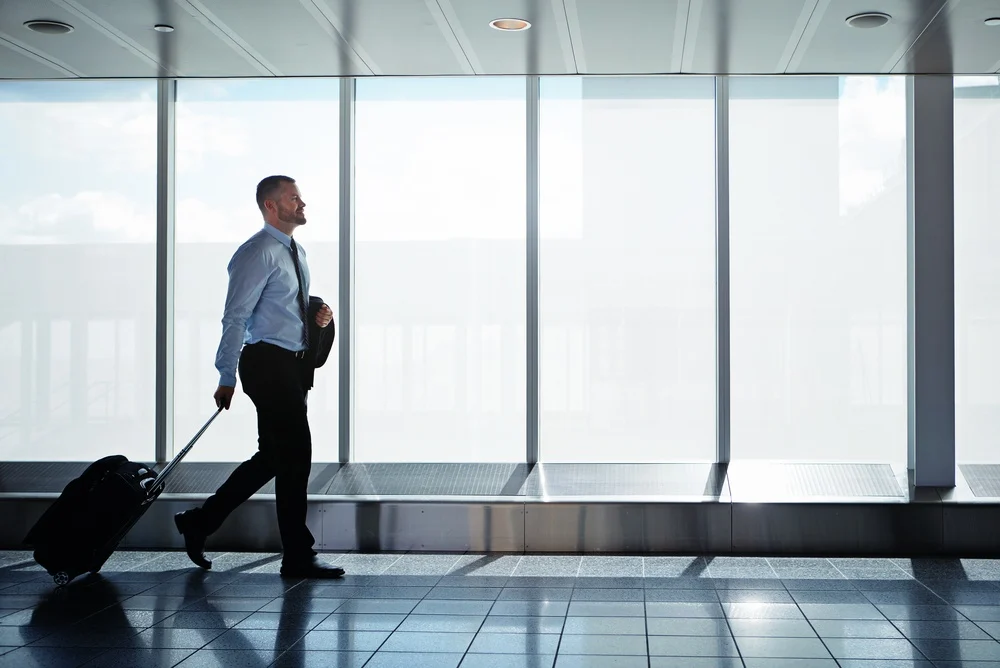
Corporate travel budgets face tighter scrutiny, but demand has not weakened evenly. Companies continue to prioritise trips tied to sales, client retention, project delivery, and senior-level meetings. This has sustained business-class bookings on key international routes, even as some organisations trim internal meetings or shorten trips. Premium cabins generate a disproportionate share of airline revenue, giving carriers little incentive to discount aggressively while corporate travellers and high-end leisure passengers fill those seats. The pattern is not uniform—technology, consulting, and financial services firms tend to travel differently from manufacturing or public-sector organisations—but premium traffic remains one of the more durable parts of the recovery.
That resilience may limit savings for companies with heavily business-class travel programmes. Buyers can still secure value through advance-purchase rules, route consolidation, and volume agreements, but deep premium-cabin discounting has not returned.
Hotels maintain pricing discipline
Accommodation is likely to remain the more challenging part of the 2026 sourcing cycle. Hotel rates rose rapidly during the post-pandemic recovery as demand returned faster than staffing and room supply. The pace of growth is now easing, but many operators have resisted broad discounting. In major business and convention markets, they have been willing to sacrifice some occupancy rather than dilute average daily rates. STR reports that room rates in many large commercial markets remain well above pre-pandemic levels, even where occupancy has yet to fully recover.
This marks a significant shift from earlier downturns, when hotels often cut rates quickly to stimulate demand. Revenue-management systems are more sophisticated, distribution is more controlled, and large hotel groups like Marriott International, Hilton, and IHG have become more disciplined about protecting price. For corporate buyers, this means negotiated hotel programmes will require more than an annual request for proposal. Companies need to examine last-room availability, blackout dates, cancellation terms, breakfast and Wi-Fi costs, and whether negotiated rates genuinely outperform dynamic pricing. The strongest leverage sits with programmes that can demonstrate reliable production in specific cities; broad global volume carries less weight when individual properties manage demand market by market.
Procurement strategies evolve beyond annual negotiations
The slowing pace of inflation is giving travel managers room to rethink how they buy. During the sharpest phase of the recovery, many companies had little choice but to accept higher supplier rates. Capacity was limited, demand rebounded quickly, and historical travel data had become less useful. That imbalance is beginning to ease. Corporate buyers are now placing greater emphasis on route-level analysis, traveller behaviour, and total trip cost. A lower airfare may offer little value if it adds a connection, an overnight stay, or a higher risk of disruption. The same applies to hotel rates that exclude essential amenities.
Travel management companies like FCM Travel and ALTOUR are helping clients shift from annual rate negotiations to continuous sourcing, using data to identify where suppliers retain pricing power and where buyers can push back. For example, FCM's long-term deal with Arcadis illustrates how large corporate accounts are locking in multi-year agreements to secure capacity and rate stability. Meanwhile, rising costs in some MICE destinations are prompting organisers to explore alternatives, as seen with Singapore's high costs pushing events to Bangkok and Hong Kong.
The outlook for 2026 is one of cautious optimism for corporate buyers. Price increases are moderating, but the market remains structurally tight in key segments. Procurement teams that invest in granular data analysis and supplier relationships will be best positioned to capture value as the recovery matures.