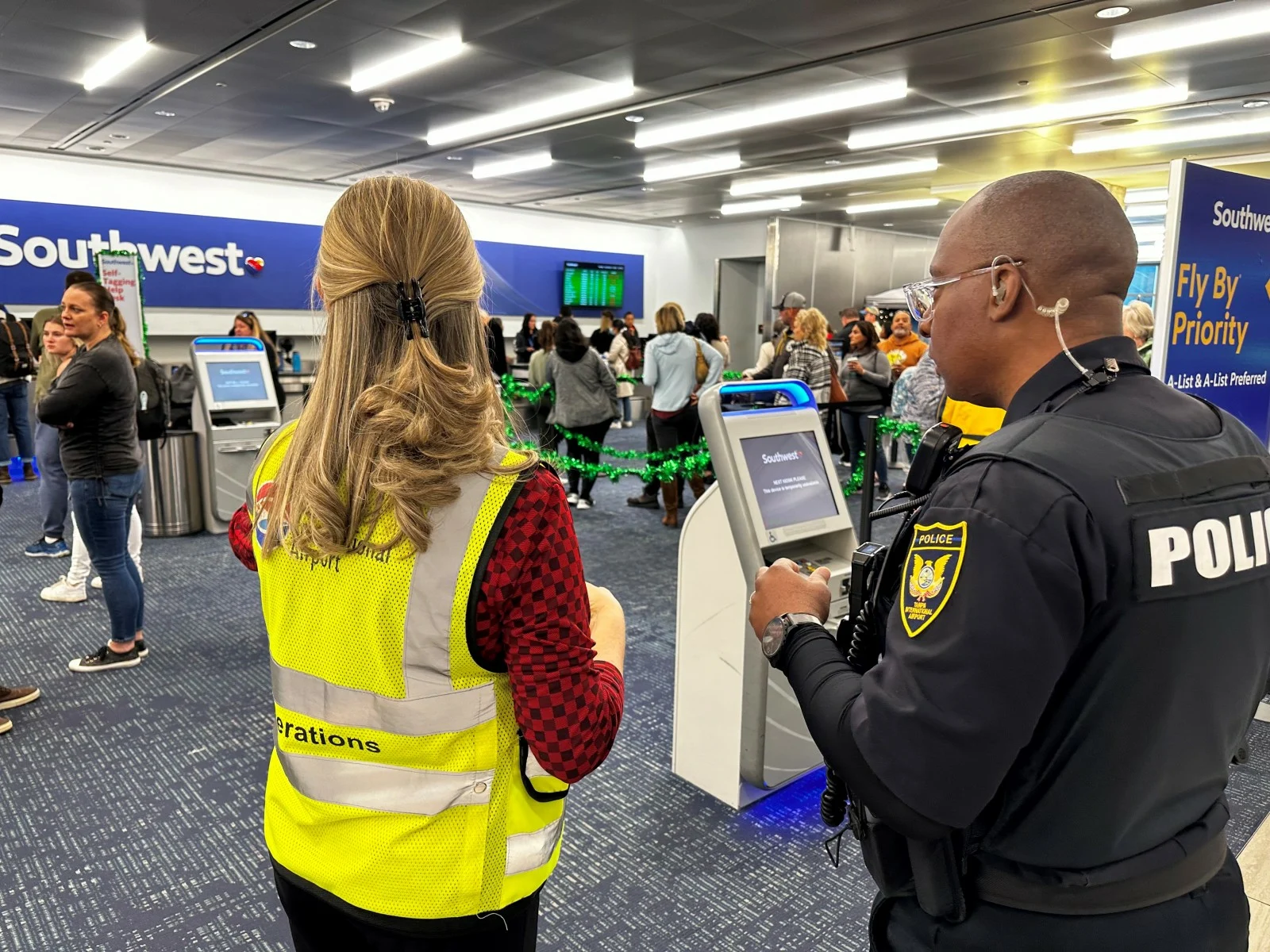
For travel industry professionals, the sight of individuals escorted through an airport by welfare authorities is a stark reminder of a hidden crisis. While exact figures remain elusive, a 2022 report from the UN's International Organisation for Migration (IOM) estimated that over 50 million people are trapped in forced servitude or modern slavery. More alarmingly, nearly 80% of international human trafficking cases transit through official border controls, with airports and seaports serving as primary conduits.
In response, the aviation sector is intensifying its efforts. The International Air Transport Association (IATA) has long positioned itself at the forefront of this fight. Its 2018 resolution, adopted at the Annual General Meeting in Sydney, laid out a three-pronged strategy: sharing best practices among airlines, training operational staff to spot potential trafficking situations, and establishing cooperative reporting mechanisms with government authorities.
Alexandre de Juniac, then IATA director-general, underscored the industry's responsibility: “Aviation is the business of freedom, flying four billion people to every corner of the earth. Some, however, try to use our networks nefariously. Trafficking in people creates misery for millions, and funds criminal gangs and terrorism. As a responsible industry, our members are determined to help authorities stamp out human trafficking.”
Frontline training and the limits of airport authority
IATA's guidelines, detailed in its Human Trafficking Guidelines, encourage airlines to train cabin crew and ground staff to recognize indicators—such as passengers who appear controlled, lack identification, or show signs of physical abuse. However, as the Airports Council International (ACI) noted in its 2019 Human Trafficking Report, the effectiveness of these measures is often constrained by local law enforcement willingness and applicable laws.
“The role that airports and airlines can play in anti-trafficking efforts is limited somewhat by local law-enforcement agencies’ willingness to act and the local laws applicable,” the ACI report stated. It also emphasized that airports are not police authorities and lack jurisdiction to intervene directly. Instead, their role lies in raising awareness, lobbying for stronger legal frameworks, and supporting government and NGO initiatives.
Despite these constraints, airports are increasingly proactive. For instance, Plaza Premium Group's recent expansion of family-friendly zones at major hubs reflects a broader trend of enhancing passenger welfare, though anti-trafficking efforts remain a distinct priority. Similarly, Melbourne Airport's long-term growth plan includes provisions for improved security and passenger processing, which indirectly support trafficking detection.
Training programs are becoming more sophisticated. Airlines such as Qatar Airways, Emirates, and British Airways have implemented mandatory e-learning modules for cabin crew, focusing on identifying potential victims and reporting through discreet channels. Ground handlers and airport security personnel are also being trained to recognize suspicious patterns, such as passengers who are not allowed to speak for themselves or who appear to be under the control of another person.
The challenge, however, is balancing vigilance with passenger privacy and avoiding racial or ethnic profiling. IATA's guidelines stress that any action taken must not compromise the safety of the victim, and that reporting should be done through established, confidential mechanisms. This is particularly critical in transit hubs, where passengers may be in a country for only a few hours, and the window for intervention is narrow.
Collaboration is key. Airports are working with local authorities, NGOs, and international bodies to create a network of support. For example, London Heathrow has partnered with the charity Hope for Justice to train staff and raise awareness among passengers. Similarly, Amsterdam Schiphol has implemented a “Blue Blindfold” campaign, encouraging the public to report suspected trafficking.
As the industry moves forward, the focus is on practical, scalable solutions. IATA's resolution calls for governments to establish clear reporting mechanisms, and many countries are responding. The United States, through its Department of Homeland Security's “Blue Campaign,” provides training materials to airlines and airports. The European Union has funded projects to enhance detection at border points, including airports.
For travel professionals, the message is clear: human trafficking is a systemic issue that requires a coordinated response. While airports and airlines cannot solve it alone, their role as gatekeepers is crucial. By investing in training, fostering partnerships, and advocating for stronger legal frameworks, the industry can make a tangible difference in protecting vulnerable individuals.
As Oman Air's ambitious growth plans and Starlux's fleet expansion demonstrate, the aviation sector is dynamic and forward-looking. Yet, with growth comes responsibility. Ensuring that the freedom of movement is not exploited by criminals is an ongoing challenge that demands constant vigilance and innovation.