Melbourne Airport has published its draft Master Plan 2027, a 20-year blueprint that projects passenger numbers will double to 75 million annually by 2047. The plan, now open for public comment until 4 November, sets out a series of infrastructure investments designed to keep pace with Victoria's rapid growth and the increasing demand for air travel.
Terminal and airfield upgrades
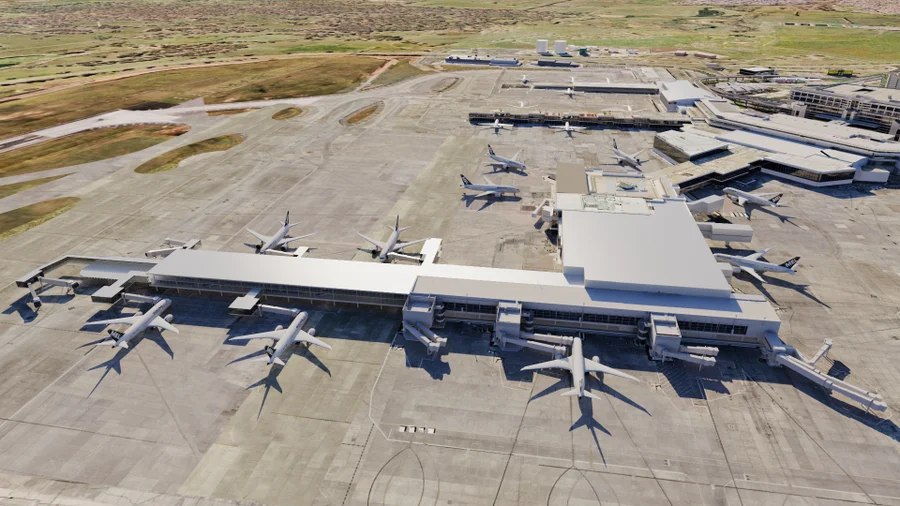
Central to the proposal is a privately funded A$4.5 billion expansion of the international terminal, which will add significant capacity and improve the passenger experience. New and expanded pick-up and drop-off zones are scheduled to open in October, easing current congestion and preparing the airport for near-term growth.
The plan also includes upgrades to domestic terminals to support Australia's major carriers, including Qantas, Virgin Australia, and Jetstar, as they expand their networks. Melbourne Airport CEO Lorie Argus stressed the need for forward planning, stating: “We need to plan ahead to ensure we have the airfield, terminal and ground transport infrastructure in place to adequately service the growing number of travellers, exporters and importers who are using Melbourne Airport.”
Third runway and Eastern Extension Project
A notable feature is the Eastern Extension Project, which proposes a 345-metre extension of the east-west runway to accommodate the construction of a third runway. This would increase airfield capacity, allowing more flights and reducing delays, a critical step given the projected surge in traffic.
Ground transport and connectivity
Enhancing surface access is a key priority. The master plan outlines new road infrastructure, improved bus connections, and a long-awaited rail link to the city via Sunshine. This rail connection would integrate Melbourne Airport with the broader metropolitan transport network, offering travellers and airport staff a reliable alternative to road travel.
The airport is also developing a business park in Melbourne's north and west, aiming to create thousands of jobs and stimulate economic growth. Sustainability is embedded in the design, with low-carbon construction methods and resource-efficient operations planned across all new developments.
Industry observers note that the plan aligns with broader trends in airport infrastructure investment, similar to recent expansions at other Australian gateways. For travel professionals, the increased capacity and improved connectivity will likely open new route opportunities and enhance Melbourne's appeal as a destination and hub.
Public submissions on the draft Master Plan 2027 are open until 4 November, and the final plan is expected to be submitted to the federal government for approval. With the clock ticking on a 20-year horizon, Melbourne Airport is positioning itself to remain a competitive gateway in the Asia-Pacific region.