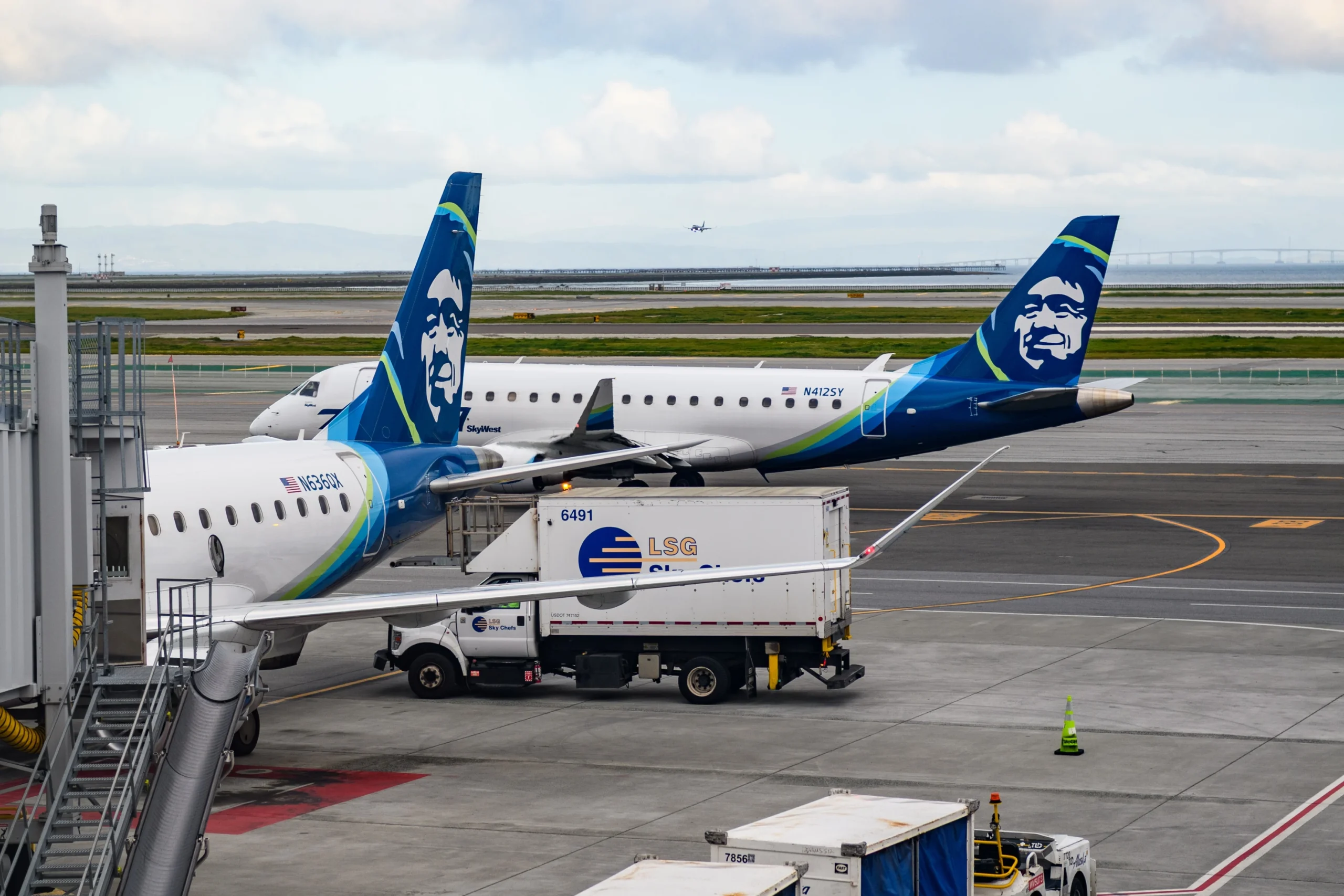
Alaska Airlines has confirmed plans to launch its first-ever nonstop service between Anchorage and Tokyo Narita, a move that will significantly expand connectivity between Alaska and the Asia-Pacific region. The seasonal route, set to begin in spring 2027, will operate from Ted Stevens Anchorage International Airport (ANC) to Narita International Airport (NRT) using Boeing 737 MAX 8 aircraft.
The new service directly addresses what the carrier describes as long-standing demand for direct flights between Alaska and Japan. Beyond passenger travel, the route is expected to stimulate tourism and commercial ties between the two markets, offering a faster link for business travellers and leisure visitors alike.
Marilyn Romano, Alaska Airlines' regional vice president, highlighted the strategic importance of the connection. "This route creates new opportunities for tourism and commerce while extending our signature hospitality to more travellers," she said. The airline will offer First Class passengers priority boarding, recliner seats, and upgraded dining options on the trans-Pacific sector.
Schedule and pricing
The Anchorage–Tokyo Narita service will run daily during the peak summer season, from 13 May through 7 September 2027. Following a brief pause, the route will resume on a three-times-weekly basis from January 2028, catering to winter travel demand. Introductory return fares are set at US$999 for travel between 13 May and 7 June 2027, with tickets already on sale.
This launch is part of a broader expansion of Alaska Airlines' Anchorage network. In 2027, the carrier will also introduce seasonal nonstop flights from Anchorage to Austin, Nashville, and Dallas-Fort Worth. Combined, these additions will create the largest nonstop schedule from Alaska in the airline's history, a milestone as it approaches its 95th anniversary.
The move comes amid growing interest in Alaska as a destination, particularly from Asian markets. The state's tourism board has been actively courting Japanese visitors, and the new air link is expected to complement existing efforts. For travel professionals, the route offers a new option for clients seeking to explore Alaska's natural attractions or connect onward to other US cities via Anchorage.
Alaska Airlines' decision to use the 737 MAX 8 on this long-haul sector underscores the aircraft's growing role in trans-Pacific operations. The MAX 8's range and efficiency make it well-suited for routes of this length, allowing the airline to serve the market without the cost of a widebody deployment.
Industry observers note that the Anchorage–Tokyo route could also benefit from cargo demand, given Alaska's position as a freight hub. However, the airline has not yet announced any cargo-specific offerings on the passenger service.
For agents and tour operators, the new service opens up packaging opportunities, particularly for summer 2027 itineraries that combine Alaska's cruise and land tours with a Japan stopover. The timing aligns with the peak Alaska cruise season, and the daily frequency during summer provides flexibility for multi-destination trips.
Alaska Airlines' expansion in Anchorage is part of a wider trend of US carriers adding trans-Pacific routes from secondary hubs. The carrier's focus on niche markets, such as Anchorage–Tokyo, reflects a strategy of differentiating through underserved city pairs.
Travel advisors should note that the introductory fare is limited to a specific travel window, and availability may be constrained. Early booking is recommended for clients interested in the inaugural season.
As Alaska Airlines prepares for its 95th anniversary, the Anchorage–Tokyo launch represents a bold step in its international growth. The airline already operates a significant network along the US West Coast, and this new route positions it to capture a share of the growing Japan–Alaska travel market.
For more on airline route developments, see our coverage of Belavia's new Asian links and AirAsia's regional fare push.