European holidaymakers are increasingly choosing South America for long-haul trips as the Middle East conflict continues to reshape travel patterns. With connections through Dubai, Abu Dhabi, and Doha facing disruption, travelers are rerouting to destinations across the continent, creating fresh opportunities for hotels, tour operators, and tourism boards.
According to a Financial Times report published on 27 October 2026, LATAM Airlines carried 10% more passengers between Europe and South America from March to September compared with the same period in 2025. Aviation analytics firm OAG also recorded a 6.5% increase in bookings from major European airports to South American countries (excluding Venezuela) in the first half of 2026 year-on-year.
The shift is partly a response to ongoing instability in the Gulf region. Although services through hubs like Doha and Dubai have resumed, passenger volumes have not fully recovered, prompting travelers to seek alternative routings. This has opened a window for South American carriers and destinations to capture a larger share of the European long-haul market.
Destinations in the spotlight
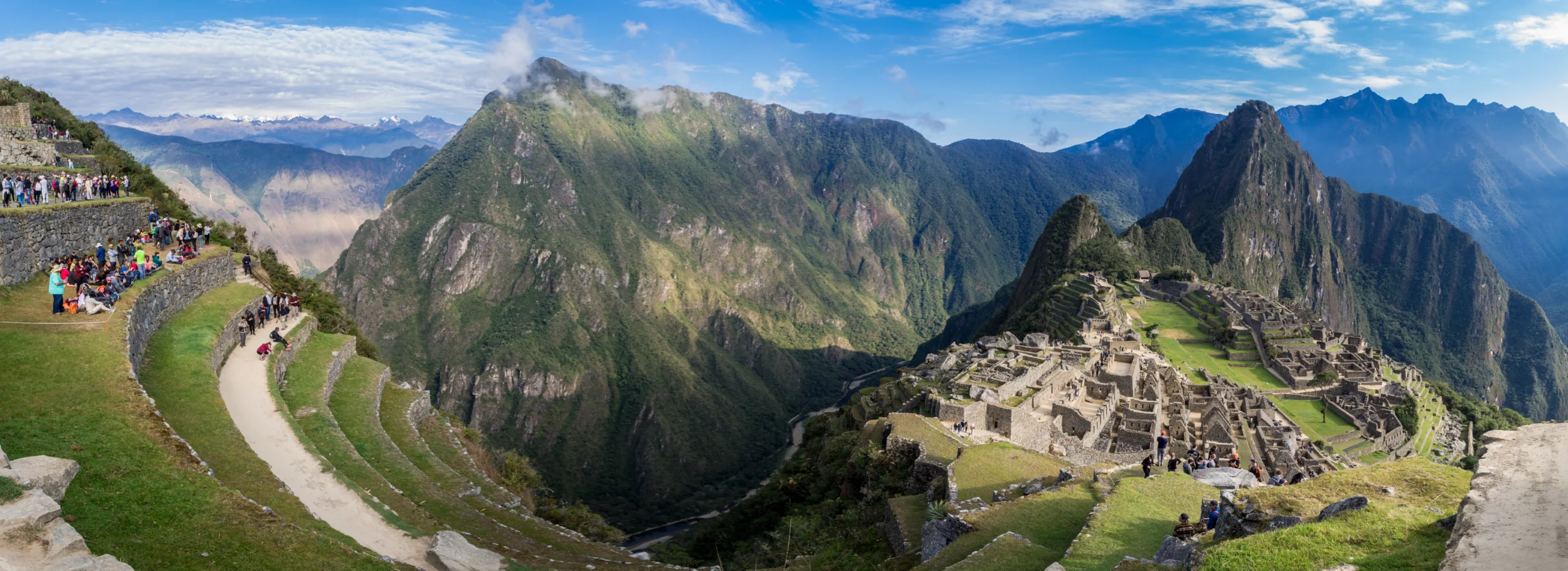
Peru, Chile, Brazil, Argentina, and Ecuador are seeing renewed interest from European visitors, according to the FT report, with hotels and lodges reporting strong bookings. Peru's appeal centers on Cusco, the Sacred Valley, and Machu Picchu, complemented by Lima's acclaimed gastronomy. Chile offers a mix of urban energy, wine tourism, the Atacama Desert, and Patagonia. Brazil draws with beaches, cultural experiences, and nature-based tourism, while Argentina entices with Buenos Aires, Mendoza's wine regions, and Patagonian landscapes. Ecuador adds Andean heritage, Amazon adventures, and the Galápagos Islands.
These destinations cater to a wide range of budgets and interests, enabling tour operators to craft itineraries from adventure-focused to luxury. Multi-country packages encourage longer stays, particularly for Europeans making the long journey south.
Economic potential and growth forecasts
The travel landscape shift comes as South America seeks to strengthen its global tourism position. The World Travel & Tourism Council's 2026 Economic Impact Research, published in May, projects travel and tourism GDP growth of 4.1% for Central and South America in 2026, outpacing the global forecast of 3.2%. International visitor spending in the region is expected to rise 7.8%, more than double the global rate of 3.7%.
These figures underscore the economic importance of attracting international visitors, whose spending supports accommodation, dining, transport, and local businesses. The diversity of experiences—from urban centers to rural communities, wine regions, national parks, and coastal areas—allows destinations to distribute visitor spending more evenly.
For example, travelers to Peru might combine archaeological sites with culinary tours in Lima or explore the Sacred Valley. Argentina visitors can pair Buenos Aires with Mendoza's vineyards, while Chile trips can link Santiago with desert or Patagonia excursions. Such combinations encourage longer itineraries and deeper engagement.
Developing these offerings requires coordination among tourism authorities, local businesses, and accommodation providers. Reliable transport, accessible information, and trained guides are essential to deliver a smooth experience and ensure local communities benefit. Sustainability is also critical, as natural and heritage sites are central to the region's appeal.
Marketing and partnerships
The FT report highlights the value of active destination promotion, citing Mexico's successful international marketing as a model. Rather than relying on organic discovery, South American countries can work with tour operators, travel advisers, and accommodation providers to communicate their unique offerings. Targeted campaigns around gastronomy, wildlife, adventure, culture, and luxury can attract specific traveler segments.
Partnerships with international travel businesses can extend reach to new audiences. The current momentum offers a chance to build a stronger tourism profile, but it requires sustained effort and collaboration across the industry.
As travel patterns evolve, South America's ability to capitalize on this shift will depend on how effectively it markets its diverse attractions and delivers seamless, memorable experiences. The region's natural and cultural wealth provides a solid foundation, but strategic promotion and infrastructure investment will be key to converting short-term interest into long-term growth.
For travel professionals, the trend signals a need to revisit South American offerings in their portfolios. With shared ground planning becoming a model in other regions, South American destinations could adopt similar collaborative approaches to enhance visitor experiences and spread benefits more widely.