The global travel industry is witnessing a fundamental shift: modern travelers no longer want to be passive observers, driven past landmarks by guides reciting dates and names. Instead, they seek to immerse themselves in the places they visit, to feel the texture of a neighborhood, to understand the stories behind the art, and to connect with local culture on a deeper level.
This evolution is redefining the role of the cultural curator. No longer confined to the quiet halls of museums, curators are becoming key players in the travel ecosystem, shaping how destinations are experienced and marketed. According to Greg Richards, a professor at Tilburg University in the Netherlands, writing in the International Journal of Contemporary Hospitality Management, curators have grown in importance as the economy shifted from goods to services and experiences. Their original role—organizing objects in museums—has expanded to encompass the curation of entire travel experiences.
Four functions of the modern curator
Industry experts identify four critical functions that define the curator's expanded role in cultural tourism today:
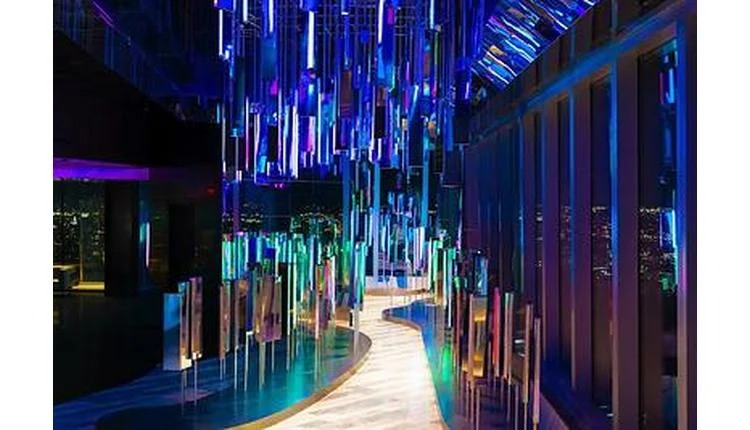
- Translating heritage into immersive narratives: Curators are moving away from dry, rote narration. They now craft emotionally resonant stories by weaving together artifacts, digital technology, and spatial design. This creates immersive environments that help travelers connect with unfamiliar history and values in a visceral way.
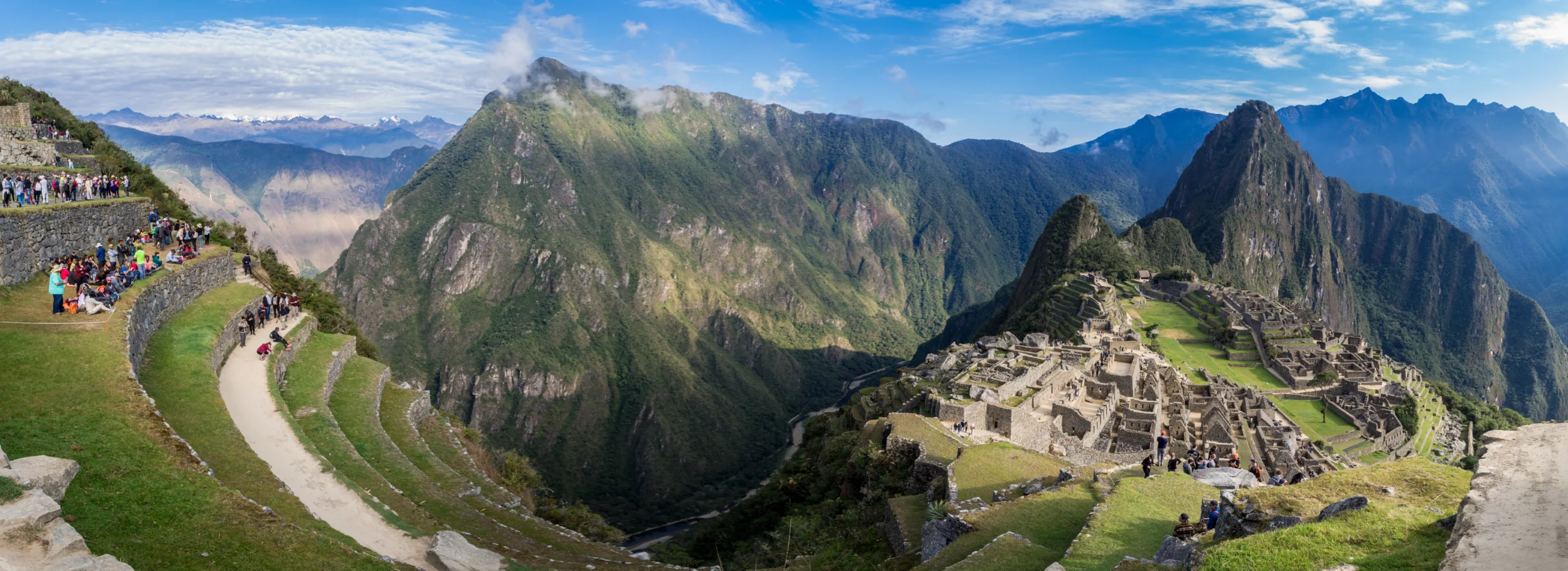
- Crafting the city as a museum: Curators are stepping out of museum walls to collaborate on city placemaking. Neighborhoods, street art corridors, and food markets are being treated as living exhibition spaces. This approach guides tourist foot traffic, revitalizes urban areas, and transforms everyday spaces into intentional cultural destinations.
- Facilitating re-intermediation in the digital age: With endless options on platforms like TripAdvisor, travelers suffer from choice fatigue. Curators step in to filter the noise, applying aesthetic judgment and rigorous research to offer highly intentional, authentic, and stylized itineraries.
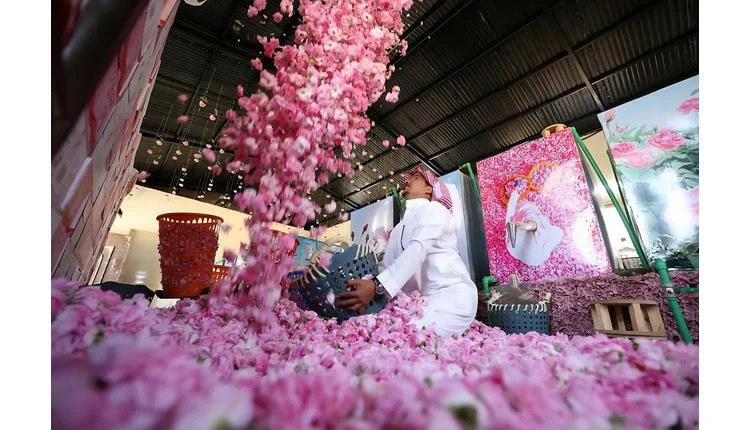
- Mediating authenticity and co-creation: Curators act as moderators between local communities, indigenous groups, contemporary artists, and the tourism industry. They ensure heritage is not unethically commodified, championing a co-authored approach where residents retain authority over their own stories.
This shift is not just academic; it has practical implications for travel businesses. Hotels, tour operators, and destination management organizations are increasingly partnering with curators to design unique guest experiences. For example, The Murray Hong Kong's GHA DISCOVERY tours integrate local cultural narratives into their offerings, while ibis Styles Manila Araneta City's iBear family experiences cater to younger travelers seeking playful immersion.
The trend also aligns with broader shifts in travel demand. As Booking.com's 2027 predictions note, APAC travelers are chasing emotional, AI-driven trips, which often hinge on authentic cultural encounters. Similarly, the rise of trip snacking—short, spontaneous getaways—creates opportunities for curated micro-experiences that pack cultural punch into limited time.
For travel professionals, the message is clear: the curator is no longer a behind-the-scenes figure but a frontline partner in creating memorable, sustainable tourism. By embracing this expanded role, destinations can build local resilience, foster cross-cultural understanding, and transform a simple vacation into a profound journey of personal growth.