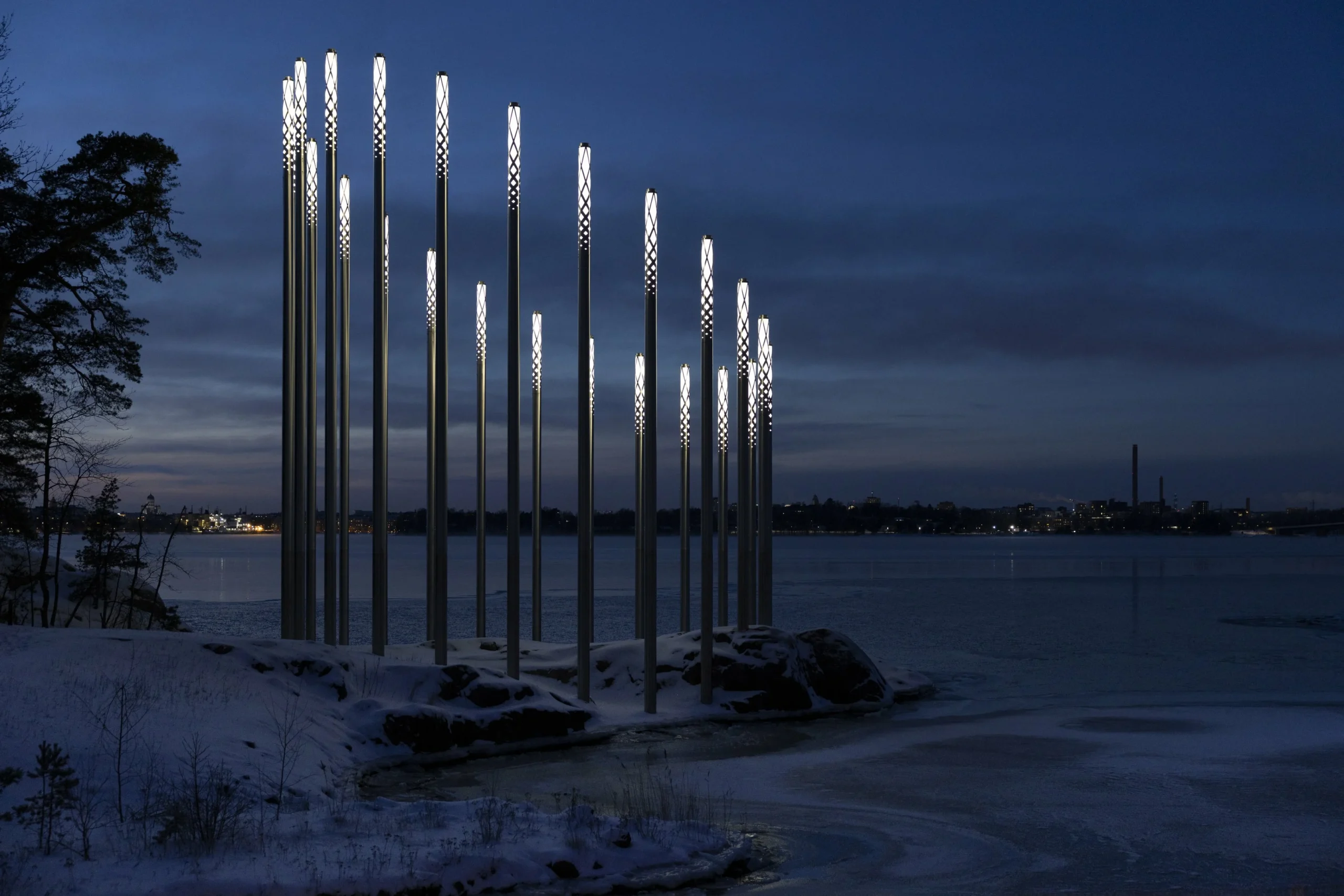
Helsinki is turning its long, dark winters into a draw for travelers and residents alike by weaving light art into the fabric of its urban design. The Finnish capital, which sees dramatic swings in daylight across seasons, has made permanent light installations a core part of its architecture and public spaces. The Kruunuvuorenranta neighborhood, in particular, has earned the nickname “district of light” for its integrated approach to illumination.
Kruunuvuorenranta, a developing waterfront district, uses light to shape both its built environment and its landscape, creating a safe and welcoming atmosphere even in the depths of winter. The initiative follows the City's Percent for Art principle, which dedicates roughly one percent of public construction budgets to artistic elements. This policy ensures that art is not an afterthought but a foundational part of urban planning.
The neighborhood's accessibility will get a major boost when tram services launch on 7 November 2026, connecting it to central Helsinki via the new Kruunuvuorensilta bridge. This link is expected to make the light art installations more accessible to both residents and tourists, further integrating the district into the city's tourism circuit.
Marjut Kauppinen, lighting manager for the City of Helsinki, emphasized the importance of embedding light art into the design process from the start. “Every block under construction in Kruunuvuorenranta goes through a light art concept review,” she said. This rigorous approach ensures that each new development contributes to the neighborhood's luminous identity.
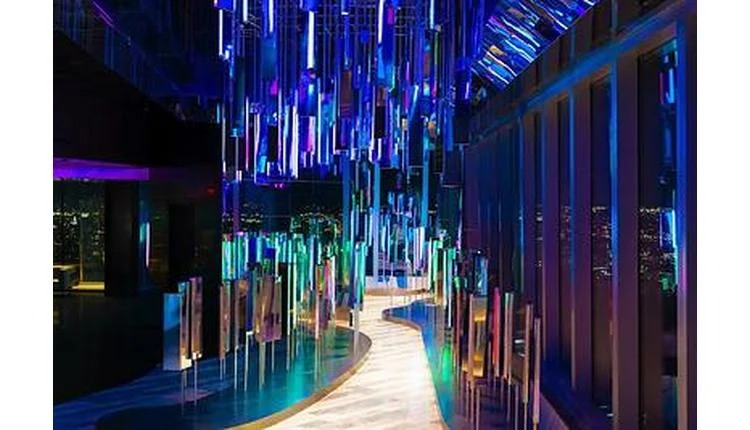
Notable installations include Öljysäiliö 468, a former oil tank that has been transformed into a striking light artwork, and Olafur Eliasson's Long daylight pavilion, which features 24 illuminated poles that trace the sun's path on the longest day of the year. These pieces are not just decorative; they are designed to engage with the environment and offer new perspectives on the city.
Lux Helsinki: A festival of light
Beyond Kruunuvuorenranta, Helsinki's public spaces come alive with light during the festive season. The Lux Helsinki light art festival will run from 30 December 2026 to 6 January 2027, under the theme “Light between the worlds.” The festival will feature 14 installations, transforming the iconic Senate Square with light, color, and music. This event has become a key part of Helsinki's winter tourism offering, drawing visitors from across Europe and beyond.
These initiatives highlight Helsinki's commitment to enriching urban life through light art. By making art accessible year-round, the city continues to enhance its public spaces and offer residents and visitors new ways to experience the Finnish capital. For travel professionals, this represents a growing trend in destination marketing: using cultural and artistic programming to boost off-peak tourism.
Helsinki's approach could serve as a model for other northern cities looking to mitigate the effects of seasonal darkness. The integration of light art into urban planning not only improves quality of life but also creates a unique selling point for winter travel. As the city prepares for the tram link and the upcoming festival, it is positioning itself as a year-round destination with a distinctive cultural identity.
For tour operators and travel agents, Helsinki's light art scene offers a compelling reason to promote winter packages. The combination of permanent installations and the annual festival provides a reliable draw, while the city's investment in infrastructure ensures easy access. As other destinations expand their winter offerings, Helsinki's focus on light art sets it apart.
The city's efforts also align with broader trends in winter tourism development, where destinations are investing in unique experiences to attract visitors during the colder months. Helsinki's light art is not just about aesthetics; it is a strategic investment in the city's economic and cultural vitality.
As the travel industry looks for innovative ways to boost winter demand, Helsinki's example shows how public art can be leveraged to create a compelling destination narrative. The city's commitment to light art is a testament to the power of creativity in shaping urban tourism.