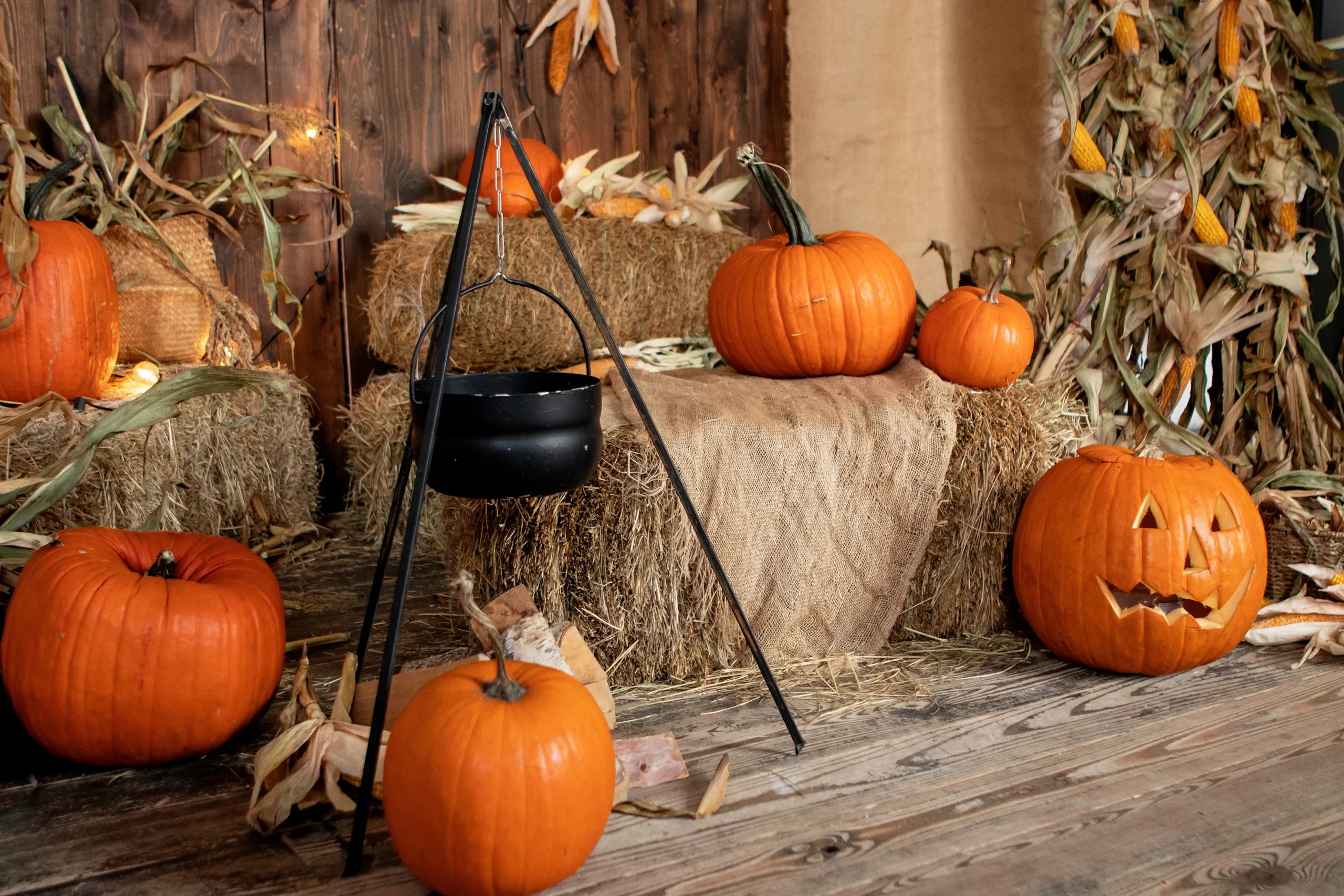
Every October, pumpkins appear in shop windows, haunted attractions open their doors, and cities prepare for costume parades. For many travellers, Halloween is an opportunity for a themed holiday. For destinations, it is also a way to attract visitors outside the traditional summer travel season.
Yet Halloween's origins lie far from the commercial celebrations associated with the United States today. The festival traces back to Samhain, an ancient Celtic celebration marking the end of the harvest and the onset of winter. Celebrated in Ireland and other Celtic regions more than 2,000 years ago, Samhain was tied to seasonal change and beliefs about the living and the dead. Communities lit bonfires and wore disguises, while traditions developed around remembering the dead and protecting households from spirits.
Over time, these customs merged with Christian observances, including All Saints' Day on 1 November and All Souls' Day on 2 November. The evening before All Saints' Day became known as All Hallows' Eve, eventually shortened to Halloween. The history is not a simple, uninterrupted progression from one ancient festival to today's celebrations. Halloween developed through centuries of religious, cultural and social change.
Irish and Scottish emigrants carried traditions to North America during the 19th century, where they evolved into familiar customs such as pumpkin carving, costume parties and trick-or-treating. By the 20th century, Halloween had become an established part of American popular culture. The Smithsonian Magazine's history of trick-or-treating traces how older European customs developed into the modern American tradition, which became particularly popular after the Second World War.
Ireland turns heritage into a tourism proposition
For Ireland, Halloween offers an opportunity to connect international visitors with the country's cultural heritage. The tourism campaign Ireland: Home of Halloween promotes the island as the place to experience the festival's historical roots, using folklore, landscapes and contemporary celebrations to encourage autumn travel.
The strategy has measurable economic ambitions. According to Fáilte Ireland's 2026 programme announcement, the island's Home of Halloween programme supported more than 830 events in 2025, attracting over 322,000 domestic and international visitors and generating an estimated €43 million in economic impact. This year's programme includes the Púca Festival and Derry Halloween, alongside events across participating destinations.
In Northern Ireland, Derry Halloween marks its 40th anniversary in 2026. Running from 28 October to 1 November, the festival features parades, performances, folklore-inspired experiences and fireworks. Organisers expect more than 120,000 visitors, according to Tourism Ireland. The events demonstrate how a cultural tradition can support local tourism businesses while giving visitors reasons to explore destinations beyond their best-known attractions.
The American model: entertainment and experiences
In the United States, Halloween tourism has developed along a different path, combining community traditions with commercial entertainment. New York's Village Halloween Parade attracts spectators and participants with elaborate costumes, puppets and street performances. In Orlando, Universal's Halloween Horror Nights turns horror films and special effects into ticketed attractions. Historic Salem, Massachusetts, draws visitors with witch-trial history, guided tours and month-long seasonal events.
These experiences appeal to different audiences, from families seeking autumn activities to adults looking for horror-themed entertainment. For tourism businesses, the commercial opportunity extends beyond admission tickets. Visitors may book hotels, dine locally, shop and combine events with other attractions. Events lasting several weeks can also spread demand beyond Halloween night, although the economic impact varies by destination.
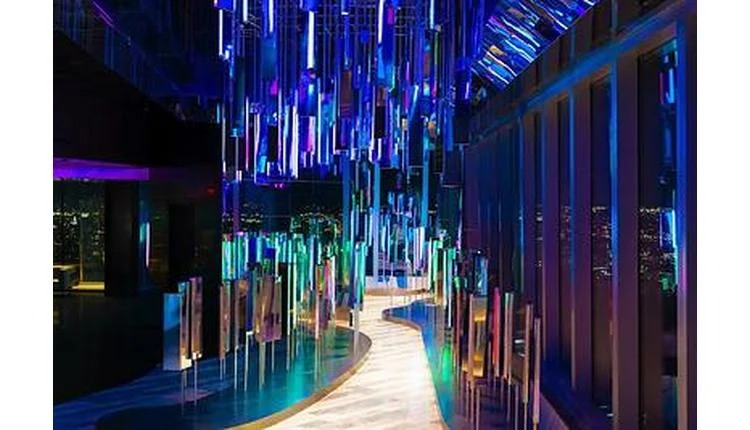
The model shows how destinations can turn a familiar celebration into a reason to travel, rather than relying solely on traditional sightseeing. Hotels are also tapping into the trend, with properties like Four Seasons Bengaluru and Pattaya Marriott Resort offering themed dining and events to attract guests.
What Halloween means for global tourism
Halloween's international reach creates three broader opportunities for the travel industry. First, it can help extend the tourism season. Festivals and seasonal attractions give destinations reasons to promote autumn visits, potentially supporting accommodation providers, restaurants and local businesses during periods outside peak summer demand.
Second, it creates opportunities for cultural tourism. Ireland can promote Samhain and its folklore, while American destinations draw on neighbourhood traditions, entertainment and popular culture. The strongest propositions connect events with local history and experiences that visitors cannot easily replicate elsewhere.
Third, it supports experience-led travel. Travellers can plan trips around parades, immersive attractions, historic sites and seasonal food. Tour operators can incorporate these activities into short breaks or longer itineraries, particularly when events encourage overnight stays.
However, Halloween is not universally celebrated in the same way, and destinations should avoid treating different cultural traditions as interchangeable. Mexico's Día de los Muertos, or Day of the Dead, for example, is a distinct tradition centred on remembering and honouring deceased loved ones. Although it takes place around the same period, its customs and cultural significance differ from Halloween. Tourism promotion needs to reflect those differences, as seen in events like Ojo at The Standard Bangkok Mahanakhon, which blends Halloween with Day of the Dead themes.