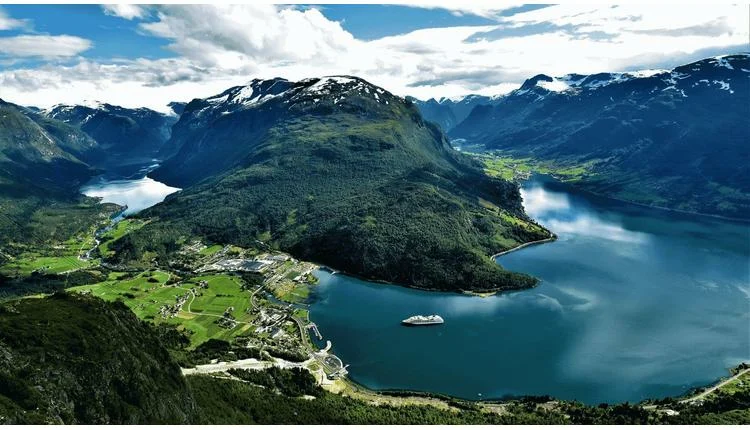
Vestland, the Norwegian county encompassing Bergen and the iconic Sognefjord and Hardangerfjord, has been named to National Geographic's Best of the World 2027 list. The recognition, published on 20 October 2026, places Vestland among 25 global destinations celebrated for their unique attractions and sustainable travel appeal.
Travel writer Kerry Walker's feature for National Geographic spotlights Vestland's natural and cultural landmarks, including the UNESCO-listed Nærøyfjord and the Hardangerfjord, as well as Bergen's historic Bryggen waterfront. The piece also notes the anticipated reopening of Bergen's Hanseatic Museum in 2027 following extensive restoration, a draw for cultural travellers and tour operators alike.
Car-free travel as a selling point
Vestland offers a car-free travel experience, with international visitors able to explore its attractions via public transport and fjord-cruise connections. A popular route from Oslo to Bergen combines the Bergen and Flåm railways, a Nærøyfjord cruise, and coach and rail connections to Bergen. This journey can be completed in a day, though an overnight stay is recommended for those wishing to explore further.
The rail-and-cruise approach was exemplified by a collaboration between Booknordics.com and travel creator Johan Haugsrud, known as ExplorewithJohan. In July 2026, they launched Signature Norway Holidays, showcasing a seven-day itinerary linking Oslo, Flåm, Nærøyfjord, Bergen, Stavanger, and Kristiansand. This partnership underscores the growing trend of packaged rail-and-cruise itineraries in Scandinavia, appealing to both independent travellers and agents seeking turnkey options.
National Geographic's recognition of Vestland draws attention to the region as a prime travel destination for 2027. For those planning a visit, rail-and-cruise travel offers a practical way to experience Vestland's highlights without the need for a car.
The accolade comes as Norway's tourism sector continues to emphasise sustainable travel. The country's extensive rail network, operated by Vy, and the fjord cruise operators such as Fjord Tours and Norled, provide seamless connections that reduce reliance on private vehicles. This aligns with broader industry efforts to promote low-impact tourism, a priority for many destinations in the Nordics.
For travel professionals, the National Geographic listing is likely to boost interest in Norway's western fjord region. Tour operators and agents can leverage the car-free angle to attract eco-conscious clients, while cruise lines may see increased demand for itineraries that include calls at Bergen and Flåm. The reopening of the Hanseatic Museum adds a cultural anchor for 2027, potentially extending visitor stays.
Vestland's inclusion in the Best of the World list is a testament to its enduring appeal, but it also signals a shift towards more responsible travel. As the industry looks ahead to 2027, destinations that offer authentic experiences with minimal environmental impact are likely to gain a competitive edge.