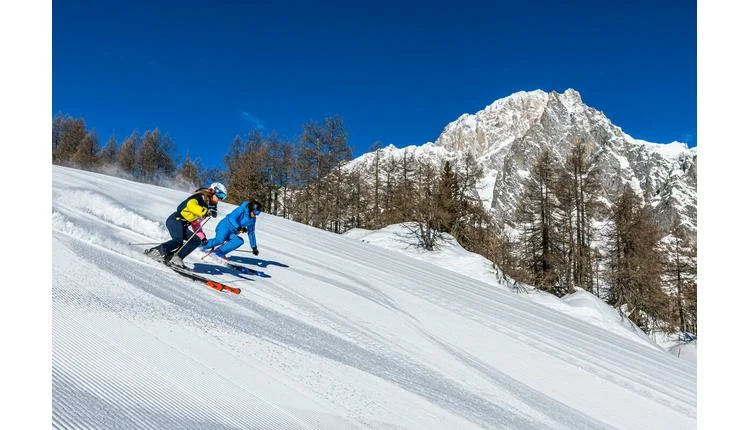
The Aosta Valley is positioning itself for a stronger winter 2026-27 season, with a slate of infrastructure upgrades, new air links, and a nod to its Olympic heritage. The Italian alpine region, which borders France and Switzerland, is betting on improved lift capacity and easier access for UK skiers to capture a larger share of the European ski market.
New lifts and reduced queues
Courmayeur and La Thuile, two of the valley's flagship resorts, will debut new gondolas ahead of the season. The installations are designed to ease congestion during peak periods, a persistent pain point for ski operators. Courmayeur's new lift will serve the Mont Blanc side, while La Thuile's upgrade targets the Espace San Bernardo ski area, which links to La Rosière in France. Both projects are part of a broader regional investment to modernise lift infrastructure and improve the overall guest experience.
Direct UK flights boost accessibility
Starting in December, new direct flights from London Gatwick and Glasgow Prestwick to Turin will cut travel time for British skiers. The services, operated by a mix of low-cost and charter carriers, will feed into the valley's existing transfer network, with Turin airport roughly a 90-minute drive from Courmayeur. The Aosta Valley tourism board expects the added capacity to drive a significant uptick in UK arrivals, a key source market for the region.
Olympic connection and new piste
The region is also leveraging its link to Federica Brignone, the Italian ski champion who won two gold medals at the Milano Cortina 2026 Winter Olympics. Brignone, a native of the Aosta Valley, has lent her name to piste 14 at Courmayeur, a red run that she trained on during her career. The piste is now a featured attraction, offering intermediate skiers a chance to follow in the champion's tracks.
Value-for-money positioning
The Aosta Valley continues to market itself as a budget-friendly alternative to more expensive Alpine destinations. Cervinia and La Thuile both rank in the top ten of the Post Office Ski Report 2026 for best-value resorts, a metric that weighs lift pass, ski hire, and on-mountain dining costs. This positioning is expected to resonate with families and cost-conscious travellers, particularly during the February half-term period.
Family-focused additions
Courmayeur's Maison Vieille area will see new magic carpets, easing access for beginners and young children. Monterosa Ski, which spans three valleys, is adding a themed playground designed to keep younger visitors entertained between runs. Pila, a resort that offers a unique gondola ride from the historic centre of Aosta, is introducing a new viewpoint and smartphone-based ski passes, streamlining the lift experience.
Beyond the slopes
The region is also promoting its non-skiing attractions. The rotating cable car on Mont Blanc, which offers panoramic views of the Alps, remains a draw, as does heli-skiing for advanced riders. The Fiera di Sant’Orso, a craft fair with over 1,000 years of history, will run as usual, and local food and wine offerings—from fontina cheese to Valle d’Aosta DOC wines—are being highlighted in marketing campaigns.
For travel professionals, the Aosta Valley's winter 2026-27 programme represents a mix of infrastructure investment and targeted marketing. The new lifts and flights address two of the biggest friction points for skiers: queues and accessibility. The Olympic tie-in adds a fresh narrative, while the value-for-money angle is a clear attempt to win over price-sensitive travellers in a competitive market.
As the season approaches, tour operators and agents should watch for early booking incentives and package deals. The region's focus on families and first-timers could also open up new customer segments. For those looking to diversify their winter portfolio, the Aosta Valley is making a compelling case.
For more on winter destination trends, see Maine's winter season expansion and Mammoth Lakes' El Niño outlook.